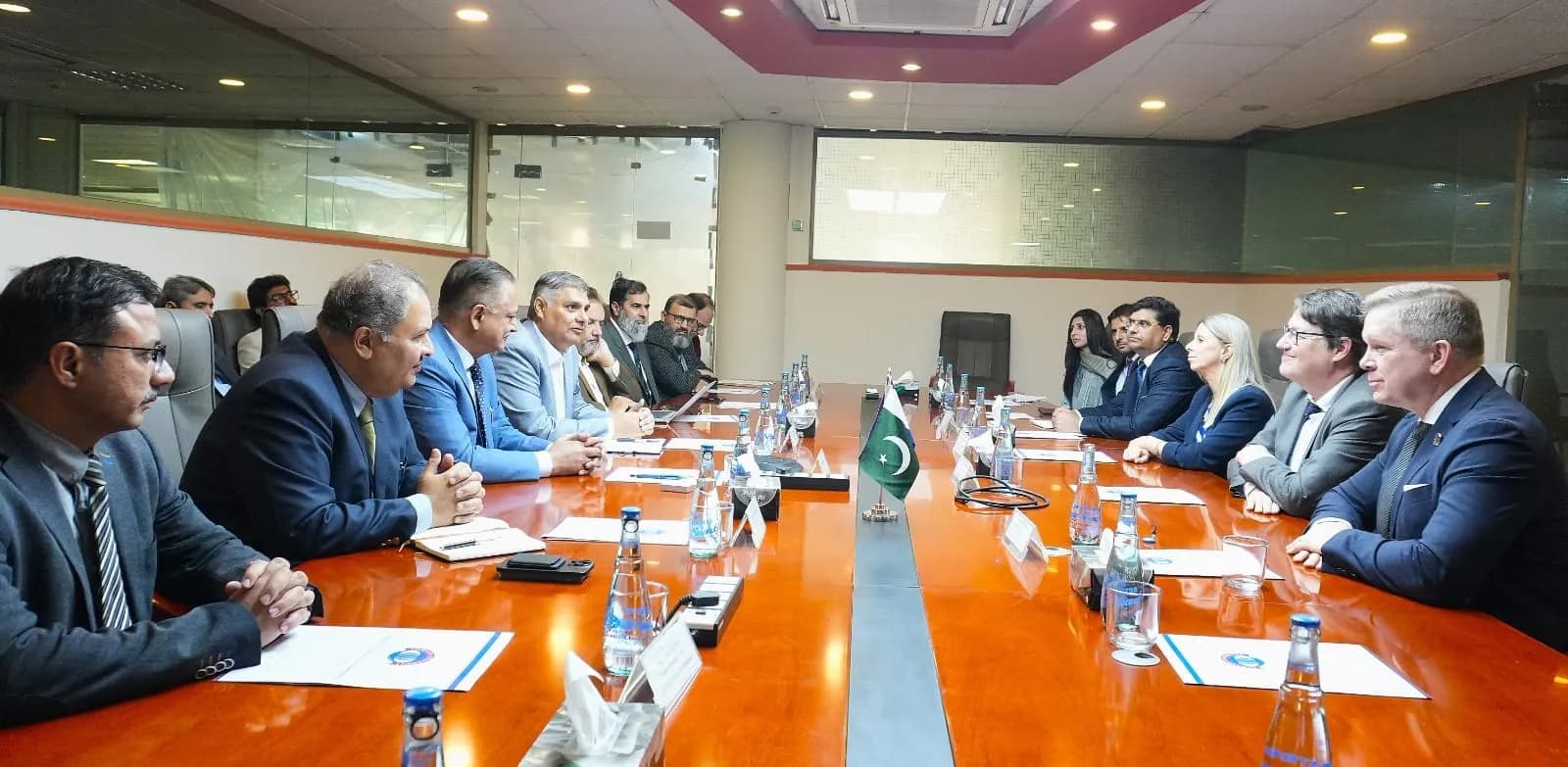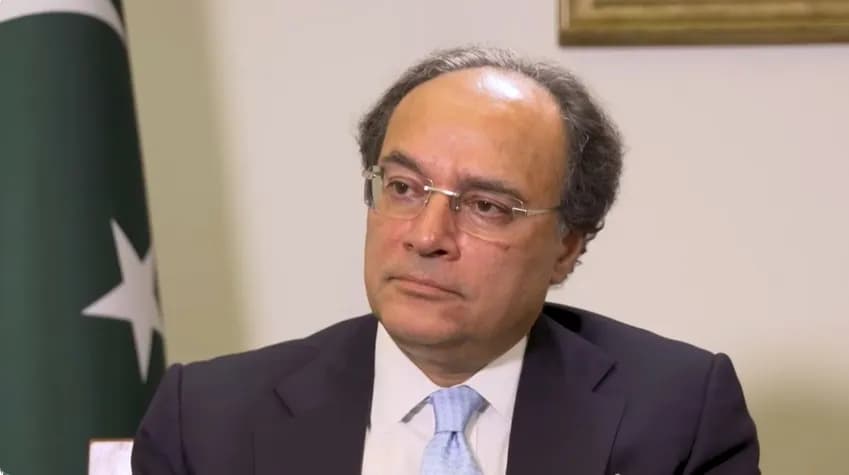
Finance Minister Muhammad Aurangzeb is looking to accelerate investment in development and climate projects following talks with a United Nations Development Program (UNDP) delegation. The meeting took place in Islamabad on November 26 and centered on potential financing opportunities under the Bridge Initiative of Türkiye’s COP31 presidency.
The UNDP delegation, led by Resident Representative Samuel Rizk, presented a pipeline of potential investments. These include initiatives for clean energy, infrastructure, climate resilience, water and food security, ecosystems, and the circular economy. This portfolio combines projects from the SDG Investment Pipeline, Climate Prosperity Plans, and other climate adaptation initiatives.
During the discussions, the focus was on identifying projects that are technically sound, investment-ready, and capable of delivering results within shorter timeframes. Aurangzeb stressed that any initiative must remain aligned with Pakistan’s national priorities. He specifically called for a focus on projects with clear implementation plans and measurable outcomes.
The Finance Minister emphasized the necessity of a carefully selected and manageable portfolio, highlighting the need for coordination among development partners, relevant stakeholders, and government institutions. He urged officials to build on existing project pipelines and find ways to accelerate projects that multilateral development partners are already considering.
Aurangzeb highlighted the importance of utilizing various financing options, including international climate funds, private-sector investment, and concessional funding. He noted that because mobilizing international climate finance takes time, it is vital to prioritize projects with practical implementation pathways.
The UNDP outlined plans to support project preparation by conducting diagnostic assessments, refining the project portfolio, and engaging with global climate financing mechanisms. The two sides also discussed public-private partnerships and blended finance regarding waste management, recycling, climate-smart agriculture, and renewable energy.
The meeting also addressed lessons learned from recent climate-related disasters. Both sides discussed the need to strengthen long-term resilience through disaster risk reduction, better institutional preparedness, and stronger institutional capacity.
Aurangzeb welcomed the continued engagement of the UNDP, stating that "effective cooperation between government institutions and development partners would be essential to turn priorities into bankable projects." Both parties agreed to refine the portfolio and identify priority projects to ensure measurable progress in sustainable development and climate resilience.