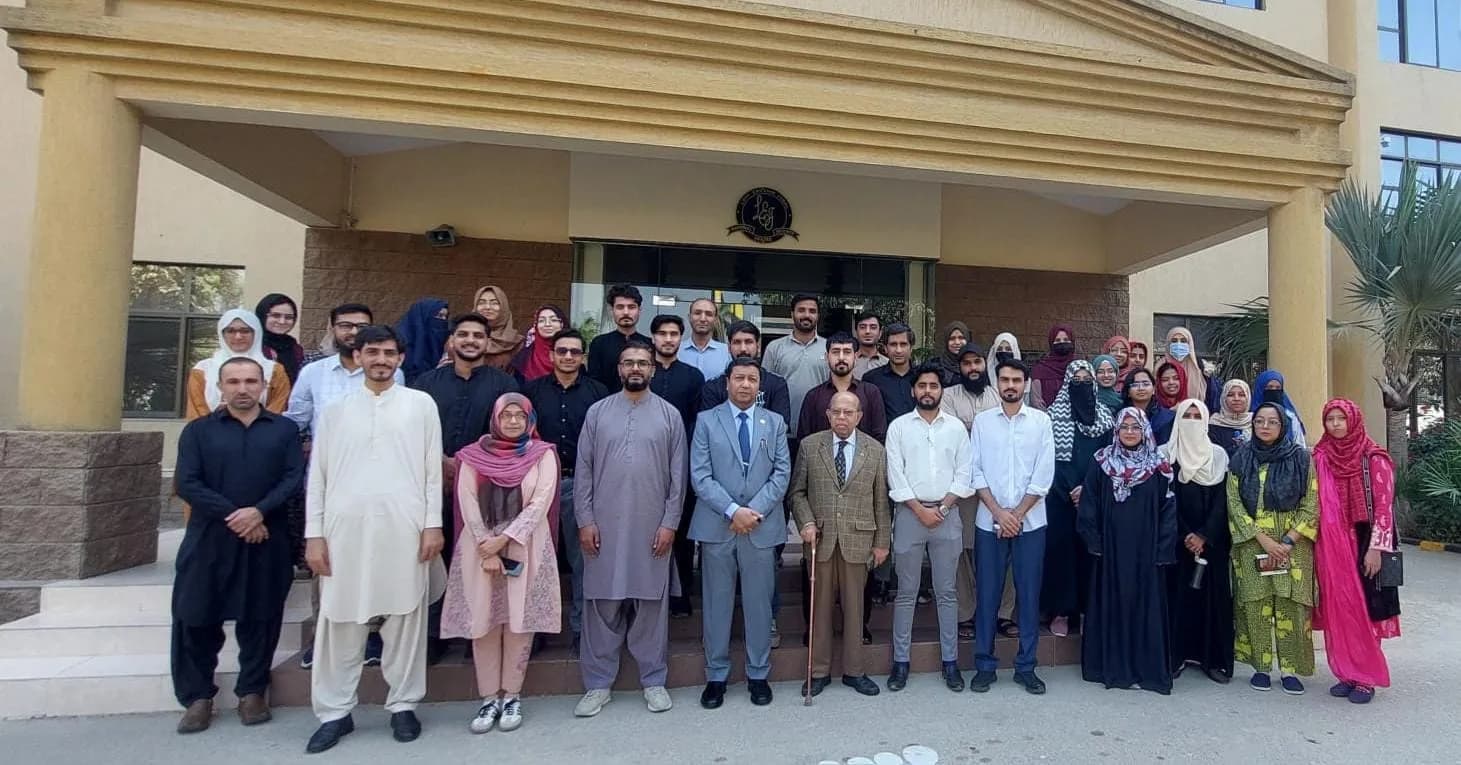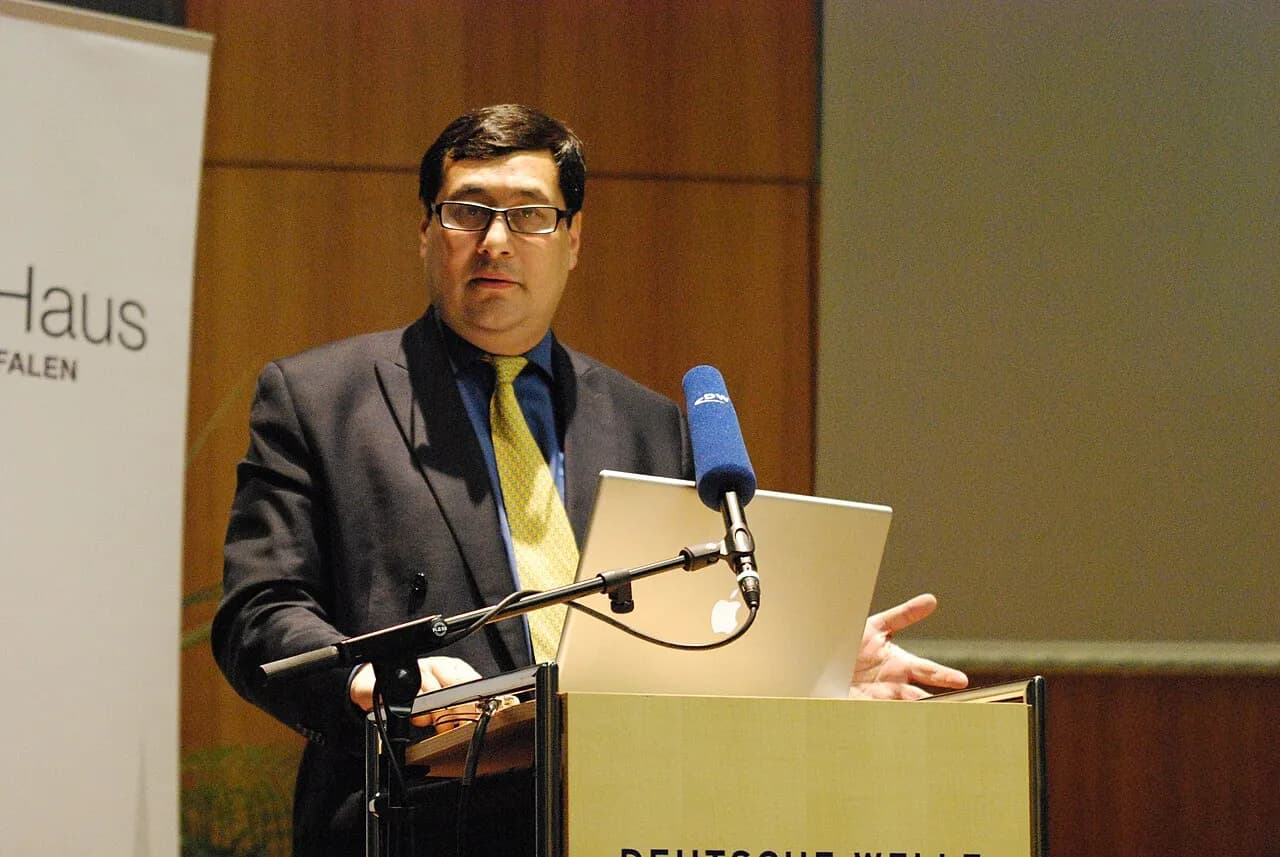
Dr Adil Najam, Dean Emeritus at the Frederick S. Pardee School of Global Studies, Boston University, has called for a fundamental rethink of how UN climate conferences are run and judged. Speaking at a special talk on Thursday titled “Conversation with Dr Adil Najam: From Antalya to Islamabad in a World in Flux,” organized by Sustainable Development Policy Institute (SDPI), Dr Najam sought clearer decision-making rules and accountable climate finance.
Dr Najam, who also serves as the President of Wold Wildlife Fund (WWF) International, argued that a successful Conference of the Parties (COP) is not simply one that ends with a signed document, but one that carries meaningful substance. He stated that many past COPs ended with papers that meant little, noting that in his view the Paris Agreement was the last outcome that amounted to a genuine legal document.
He urged participants to remember that a COP is a Conference of the Parties to a legal framework convention. Dr Najam said that legal character has been forgotten as the event has grown into a large public spectacle with too many spectators. He explained that the framework approach was designed so that countries could build binding law step by step through protocols without waiting for perfect science.
While acknowledging that the process is badly strained, Dr Najam cautioned that some calls to reform the process come from powerful countries that would rather see the multilateral, consensus-based system abandoned so that major players can decide among themselves. He warned against that path but suggested that parties should negotiate behind closed doors. He proposed that negotiators should be kept in a room for about a week, away from side events and outside drama, and not allowed to leave until they produce text, clause by clause, comparing it to locking lawyers in a room until a settlement is reached.
Dr Najam also demanded a reduction in forum shopping, stating countries should not be able to move contested issues to whichever forum suits them. Regarding the term "implementation," Dr Najam said, “Be clear about ‘implementation.’ Some use the word to mean companies and technology flowing in, while others mean governments delivering what they promised,” adding that the second meaning is what matters.
The Dean Emeritus identified climate finance as the central problem behind recent COP outcomes. He argued that although a loss and damage fund exists on paper, communities facing real losses are still selling livestock to repair their homes. He called upon developing countries to look at their own emissions rather than rely on the “one percent” argument, stating that cuts by the US, China, India, the EU and the UK are essential and that the “victim card” has limits.
Regarding the absence of fossil fuel language, Dr Najam said it was a proximate cause of the failure but not one that worries him much. He predicted energy transition will happen for economic reasons, noting that oil and hydrocarbons will remain in use in various forms for decades.
Earlier in the session, SDPI Executive Director Dr Abid Qaiyum Suleri welcomed Dr Najam, noting the institute has made it a tradition to close the climate season with his reflections. Dr Suleri described Dr Najam’s attendance at this year’s COP as a pleasant surprise. Dr Suleri raised questions about the democratic nature of the process, recalling the 2009 Copenhagen summit where a deal was negotiated among a handful of countries before the wider body could weigh in. He questioned how such a non-democratic and exclusive process could be accepted and asked Dr Najam if this year's COP resembled Copenhagen.
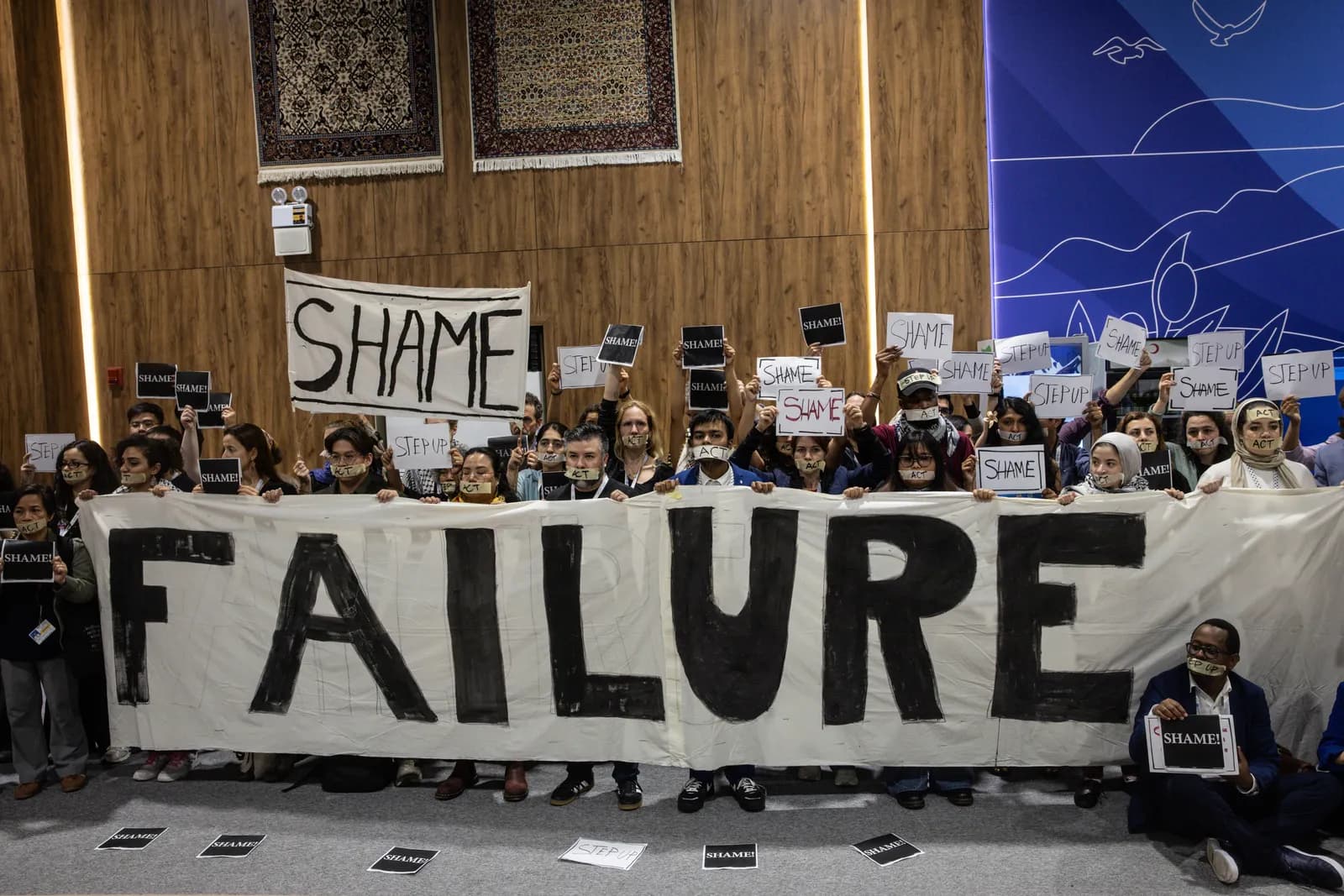
Zainab Naeem, Associate Research Fellow & Head of Ecological Sustainability and Circular Economy at SDPI, opened the session by noting that reactions to the latest COP outcome were mixed, with some seeing it as a reasonable result and others arguing that no deal is better than a bad deal.