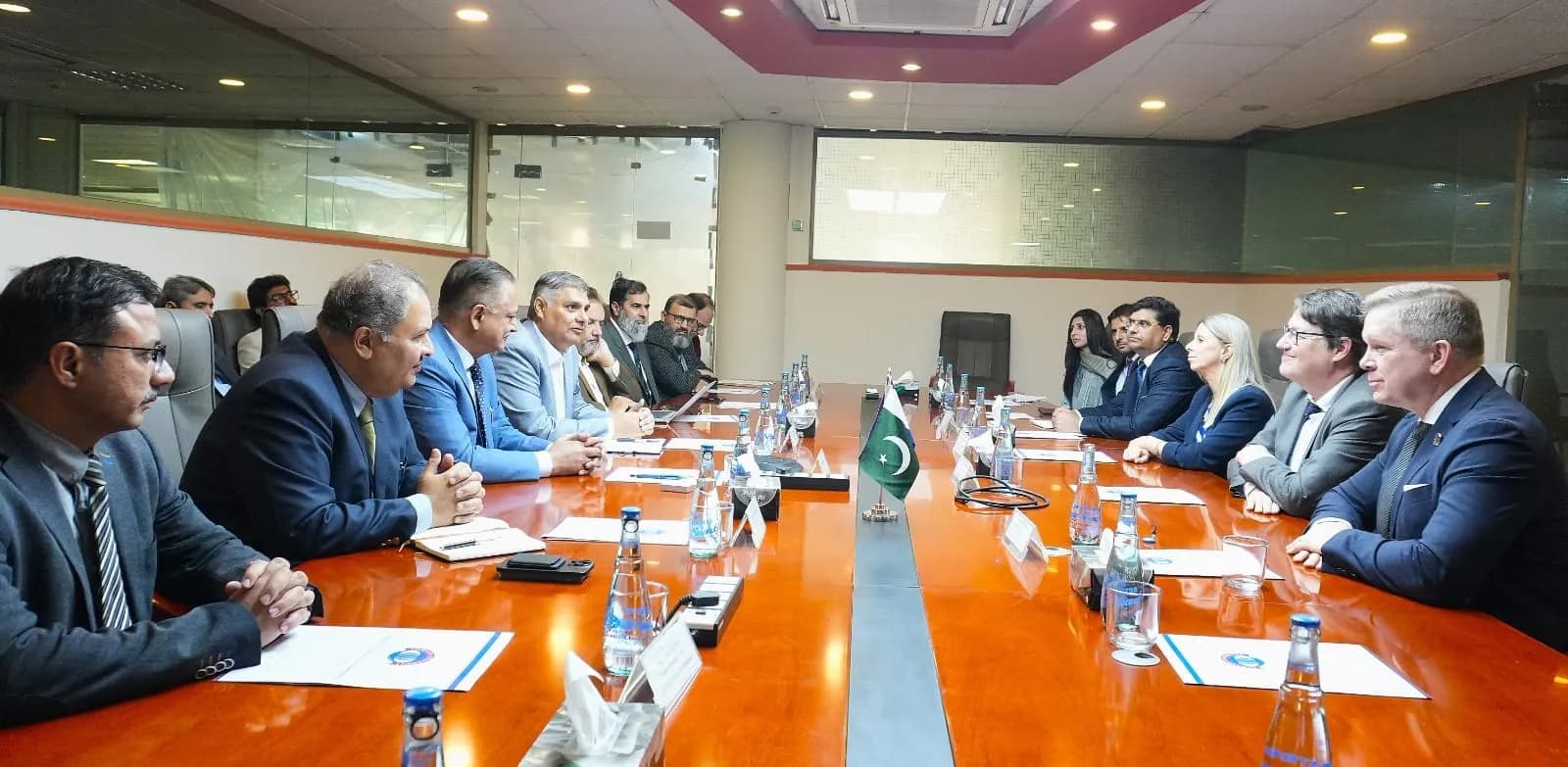
COMSATS University Islamabad (CUI) and the European Organization for Nuclear Research (CERN) held high-level talks on November 24 to revive the university’s participation in CERN’s scientific programmes. The discussions focused on the ALICE experiment, aiming to renew Pakistani involvement in particle physics and advanced detector technology.
The meeting sought to restore long-standing ties and explore collaborations in detector development, the production of sophisticated scientific equipment, and large-scale data analysis. This engagement follows a previous phase where COMSATS researchers and technical experts contributed to the infrastructure required for CERN's experimental research. However, financial constraints and difficulties in importing specialised scientific equipment disrupted the continuity of the collaboration.
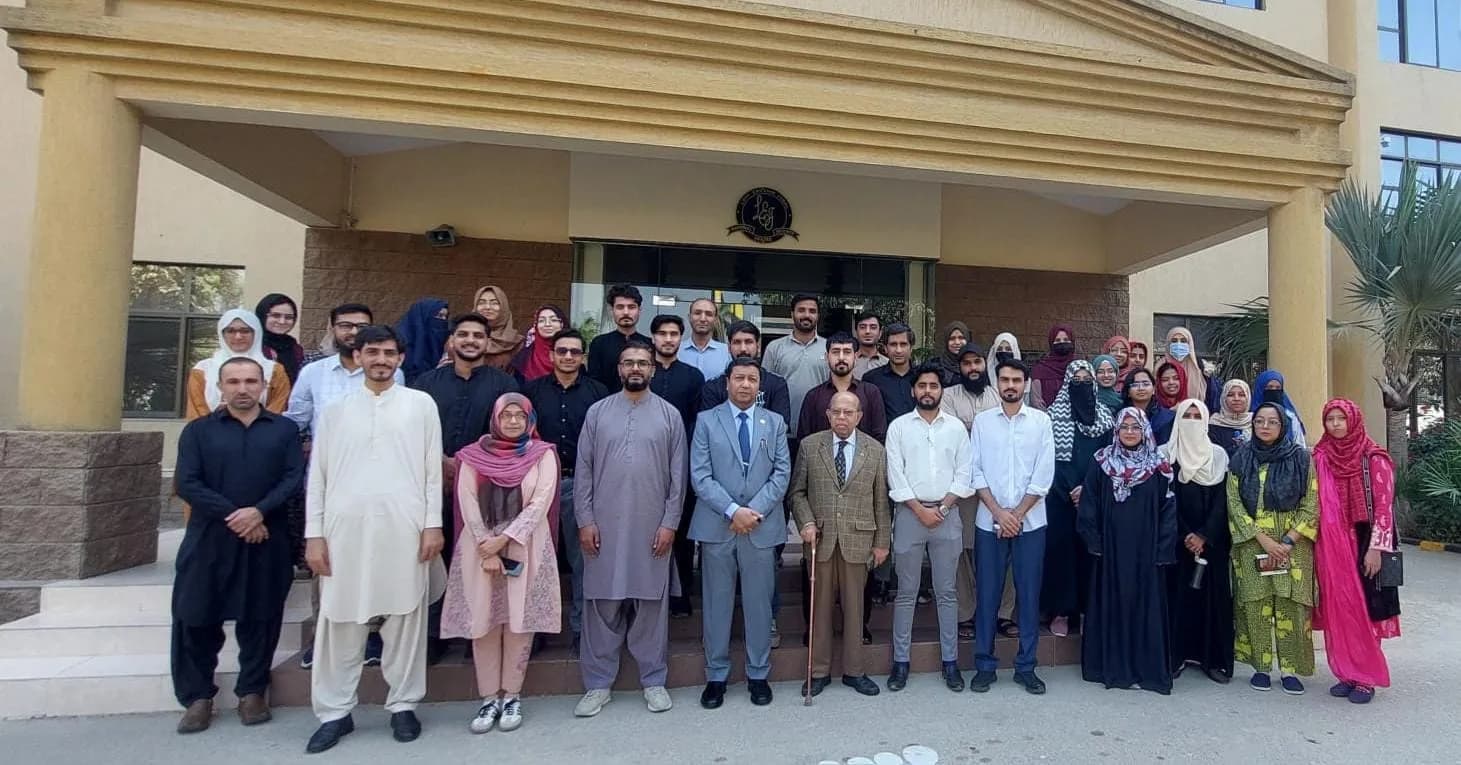
According to a statement issued by COMSATS University on Tuesday, the CERN delegation met with Rector CUI Professor Dr Raheel Qamar, senior university officials, and faculty members. Rector Virtual University of Pakistan Professor Dr Arshad Saleem Bhatti, who laid the foundation for ALICE-related research at COMSATS University, also attended. The CERN delegation included Dr Christoph Schaefer, Head of Associate Member State Relations; Professor Dr Anadi Canepa, spokesperson for the CMS experiment; and Dr Kai Oliver Schweda, spokesperson for the ALICE experiment.
During the meeting, Professor Dr Arshad Saleem Bhatti outlined COMSATS University’s previous contributions to the ALICE experiment, specifically its role in upgrading the experiment’s Inner Tracking System (ITS). He stated that university researchers and technical specialists contributed to the design of silicon pixel detectors, electronics development, equipment testing, and detector assembly. He also highlighted the financial and import-related obstacles that prevented the university from maintaining its participation and expressed support for restoring the engagement.
Rector COMSATS University Professor Dr Raheel Qamar reaffirmed the institution’s commitment to rebuilding cooperation with CERN. He stressed that past challenges should not be obstacles to future collaboration and emphasized the need for a practical and sustainable framework that accounts for the university’s administrative and financial constraints.
Dr Uzma Tabassum from the Department of Physics briefed the delegation on the university’s existing research and technical capabilities. Dr Kai Oliver Schweda expressed appreciation for the university’s previous technical contributions and discussed prospects for renewed cooperation in silicon detector development, hardware and software engineering, data analysis, and specialised technical training. He also briefed officials on the future research agenda of the ALICE experiment, specifically the proposed ALICE 3 project.
Dr Schweda noted that participation in major particle physics experiments is not limited to physicists, as specialists in electrical engineering, materials science, and computer science also play important roles. The discussions highlighted the potential to build on COMSATS University’s previous experience to expand Pakistan’s contribution to international research. The meeting concluded with both sides reaffirming the importance of strengthening scientific links and exploring practical avenues for restoring COMSATS University’s participation in CERN’s experimental programmes.