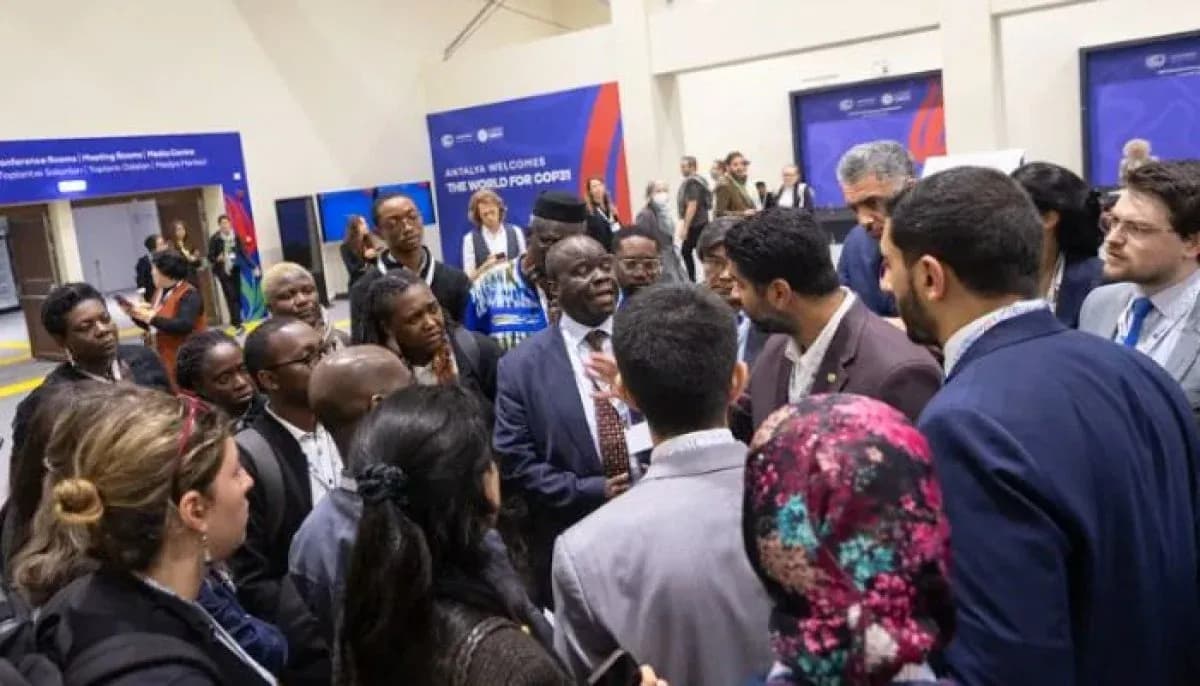
The COP31 United Nations climate summit in Antalya ended in a deadlock on Sunday, November 22, 2026. This marks the first major breakdown in global climate negotiations since 2009. The talks, which ran nearly two days into overtime, collapsed after the European Union and vulnerable developing nations rejected a final draft proposed by the summit hosts, Turkey and Australia, because it omitted any reference to phasing out fossil fuels.
United Nations Secretary-General António Guterres expressed frustration over the lack of an agreement, warning: "There may be no consensus in the negotiating room. There is no ambiguity in the science."
Chris Bowen, President of Negotiations, acknowledged that progress was made, including a clean electrification pledge signed by more than 90 countries, but stated this was insufficient. Bowen highlighted the fossil fuel dispute, noting that some countries insisted on its inclusion while others threatened to veto the agreement.
The Marshall Islands accused negotiators of yielding to oil and gas interests, declaring, "We will not be forced to accept false solutions." Vanuatu warned against backsliding, while Nepal expressed disappointment at returning home without a cover decision. The Philippines stressed that disagreements must not prevent collective action, calling for climate finance to support mitigation, adaptation and loss and damage. Kenya reaffirmed its commitment to multilateralism but criticised the decision for failing to recognise Africa's specific needs. Kenya called for COP32 to become "Africa's COP — the COP of delivery."
Brazil negotiator Liliam Chagas said the proposed decision should have addressed climate overshoot, adaptation finance, regional climate funding and support for vulnerable communities.
The European Union rejected the draft, arguing that an agreement excluding fossil fuels failed to address the climate emergency and represented a step backwards. United Kingdom negotiator Kate Hughes described the draft as inadequate to the urgency of the climate crisis, while Norway's Sigrun Gjerglow Aasland said it reversed previously agreed commitments.
Saudi Arabia's delegation argued that all climate solutions should remain on the table, opposing efforts to exclude particular options.
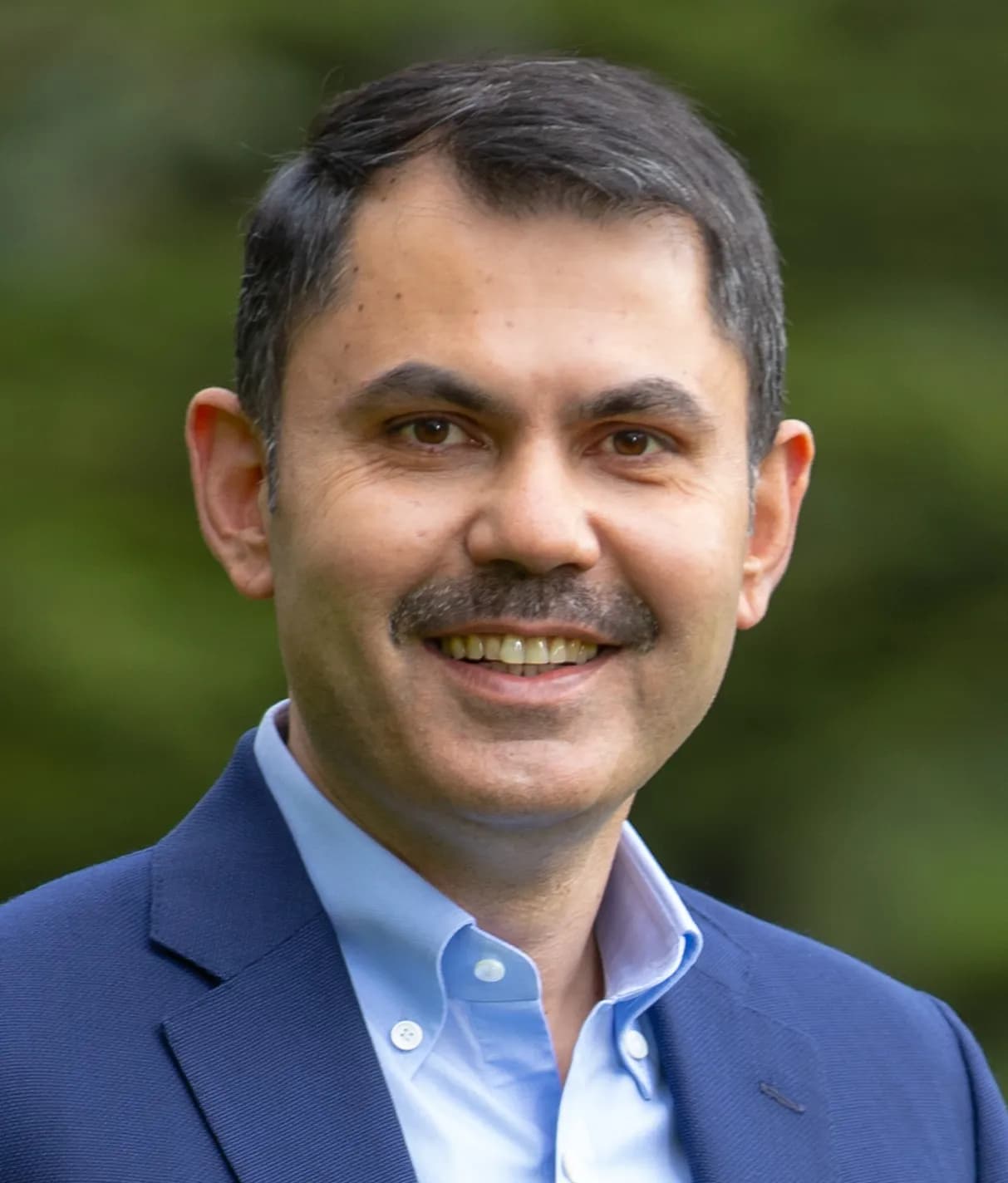
COP31 President Murat Kurum defended the negotiations, saying countries should not allow disagreements over a single phrase to prevent an outcome. Kurum confirmed that no new draft would be produced without consensus.
The summit ended without an overarching agreement or new commitments on climate finance and fossil fuel transition, raising further concerns about the prospects of keeping global warming within the 1.5°C threshold. Existing frameworks and agreements established in previous years remain in effect. The next UN climate summit will take place next year in Addis Ababa, Ethiopia.