Key Takeaways
- The State Bank of Pakistan (SBP) kept the key policy rate unchanged at 11.5%.
- Inflation has risen to 11.1% in August, up from 9.2% in July.
- The decision was made despite global oil prices being driven up by Middle East tensions.
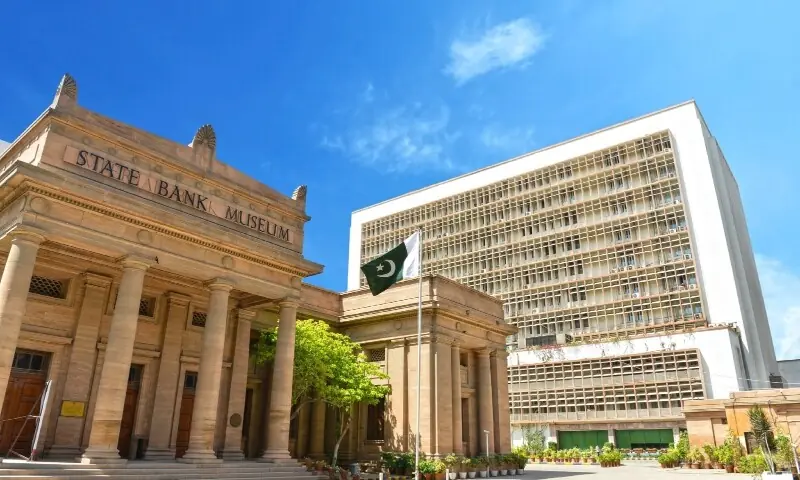
The State Bank of Pakistan (SBP) Monetary Policy Committee (MPC) has maintained the key policy rate at 11.5%, a decision that comes in the wake of rising global oil prices due to prolonged tensions in the Middle East. This move was anticipated by bankers, but some analysts had predicted a 50 basis point increase.
Inflation has shown a significant uptick, returning to double digits at 11.1% in August, following a decline to 9.2% in July. The SBP has been closely monitoring the inflationary pressures, which are exacerbated by the global energy price hikes and supply chain risks.
The central bank has kept the rate steady since raising it by 100 basis points in April, its first increase in nearly three years. This decision was made after a surprise 50 basis point cut in December 2025, followed by a hold in January and March.
Analysts had differing views on the MPC’s decision. Some believed the central bank would lift the policy rate by 50 points, while others expected the status quo. The MPC’s decision to keep the rate unchanged reflects a careful balance between addressing inflationary pressures and mitigating the impact of global economic uncertainties.
The SBP’s decision to maintain the rate is a strategic move to manage the economy amidst volatile global conditions. By keeping the rate steady, the central bank aims to provide stability and support to the financial sector, while also addressing the rising cost of living for Pakistani citizens.
The MPC’s decision is seen as a cautious approach, given the current economic environment. The central bank will continue to monitor inflation and other economic indicators to ensure that the policy rate remains effective in managing the economy’s challenges.
In the coming months, the SBP will closely watch the global economic landscape, particularly the ongoing tensions in the Middle East, which are driving up global oil prices. These factors will play a significant role in shaping future monetary policy decisions.