Key Takeaways
- California officials confirm first gray wolf sighting in Mendocino national forest since 2011.
- The wolf was spotted in Lake County, north of San Francisco.
- The sighting marks the species' expanding range in the state.
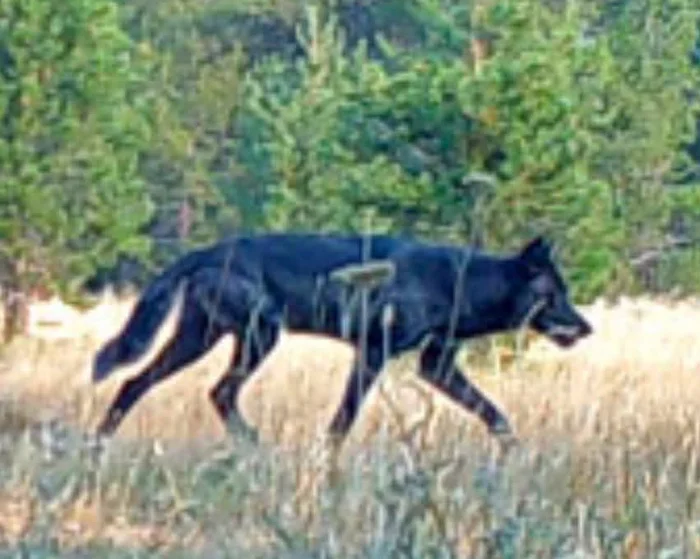
California wildlife officials have confirmed the first sighting of a gray wolf in Mendocino national forest since the species was reintroduced to the state 15 years ago. The wolf was spotted in Lake County, approximately two hours north of San Francisco, in late August.
County supervisor Brad Rasmussen announced the news on social media, stating that the California Department of Fish and Wildlife (CDFW) had verified the presence of a wolf in the far north end of the county.
The gray wolf, a sign species that was driven to extinction in California before the reintroduction in 2011, is now expanding its range. This sighting is significant as it marks the species' return to areas where it was previously absent.
The wolf's presence in Mendocino national forest is a testament to the success of the state's conservation efforts. Since the reintroduction, the wolf population has been steadily increasing, with sightings becoming more frequent in various parts of the state.
While the exact identity of the wolf remains unknown, the sighting has raised interest among wildlife enthusiasts and conservationists. The CDFW is currently monitoring the area to gather more information about the wolf's behavior and habitat preferences.
The wolf's appearance in Mendocino national forest is a positive sign for the species' recovery in California. It underscores the importance of continued conservation efforts and the potential for the wolf to play a role in the state's ecosystem once again.
Local residents and visitors to the area have been advised to report any further sightings to the CDFW. The agency is urging the public to maintain a safe distance from the wolf and avoid any interactions that could be harmful to the animal or humans.
The wolf's presence in Mendocino national forest is a significant milestone in the state's efforts to restore the gray wolf population. It highlights the ongoing success of conservation initiatives and the potential for the species to thrive in its natural habitat once again.