LIVE Watch Now Punjabi News Channel from Pakistan
Breaking
Meta fails to remove AI-generated child abuse adsGodzilla Minus Zero IMAX trailer reveals King GhidorahChipmakers Adopt ASML’s $400M EUV Machines for Advanced Chip ProductionTrump Shares Controversial AI Map Showcasing US ExpansionSeaweed cultivation not a viable climate solution, study findsPakistan’s Junior Hockey and Women’s T20 Teams Reach Asia Cup Semi-finalsCDA Tightens Grip on Encroachments, Boosts Islamabad DevelopmentPresident Zardari Extends Felicitations to DPRK and TajikistanFuel Prices Hike Announced for Next 24 HoursUK Declares Israeli Settlers Terrorists, Targets SettlementsMeta Launches AI Assistant Muse to Compete in Tech RaceHRW warns against normalising ties with Taliban over human rights concernsBeijing Great Wall Concert Honors China-Pakistan FriendshipDPM Dar Urges Vigilance for Food Security and Price StabilityAmbassador Asim Meets Delegation from Pakistani UniversitiesGovernment Expands Export Financing SupportPM Shehbaz Highlights Energy Cost Reduction as Key Economic PriorityUnited Utilities Fined £1m for Sewage PollutionFree Stars: Children of Infinity combat demo now availableChinese scientists develop new aluminum material inspired by eggshells for spacecraft protectionMeta fails to remove AI-generated child abuse adsGodzilla Minus Zero IMAX trailer reveals King GhidorahChipmakers Adopt ASML’s $400M EUV Machines for Advanced Chip ProductionTrump Shares Controversial AI Map Showcasing US ExpansionSeaweed cultivation not a viable climate solution, study findsPakistan’s Junior Hockey and Women’s T20 Teams Reach Asia Cup Semi-finalsCDA Tightens Grip on Encroachments, Boosts Islamabad DevelopmentPresident Zardari Extends Felicitations to DPRK and TajikistanFuel Prices Hike Announced for Next 24 HoursUK Declares Israeli Settlers Terrorists, Targets SettlementsMeta Launches AI Assistant Muse to Compete in Tech RaceHRW warns against normalising ties with Taliban over human rights concernsBeijing Great Wall Concert Honors China-Pakistan FriendshipDPM Dar Urges Vigilance for Food Security and Price StabilityAmbassador Asim Meets Delegation from Pakistani UniversitiesGovernment Expands Export Financing SupportPM Shehbaz Highlights Energy Cost Reduction as Key Economic PriorityUnited Utilities Fined £1m for Sewage PollutionFree Stars: Children of Infinity combat demo now availableChinese scientists develop new aluminum material inspired by eggshells for spacecraft protection
◕ SundialUpdated 16 hours ago
Trending
Science & Health

Seaweed cultivation not a viable climate solution, study finds

Study finds growing seaweed ineffective due to carbon emissions from decomposed fronds, urging focus on preserving existing ecosystems.

Add Sun News on Google News
Seaweed cultivation not a viable climate solution, study finds
Kelp forests in decline, emitting more CO2 than they absorb.

Key Takeaways

  • Growing seaweed to combat climate change is ineffective due to carbon emissions from decomposed fronds.
  • Kelp forests are declining, emitting more CO2 than they absorb, according to a new study.
  • Scientists recommend focusing on preserving existing seaweed ecosystems rather than expanding cultivation.

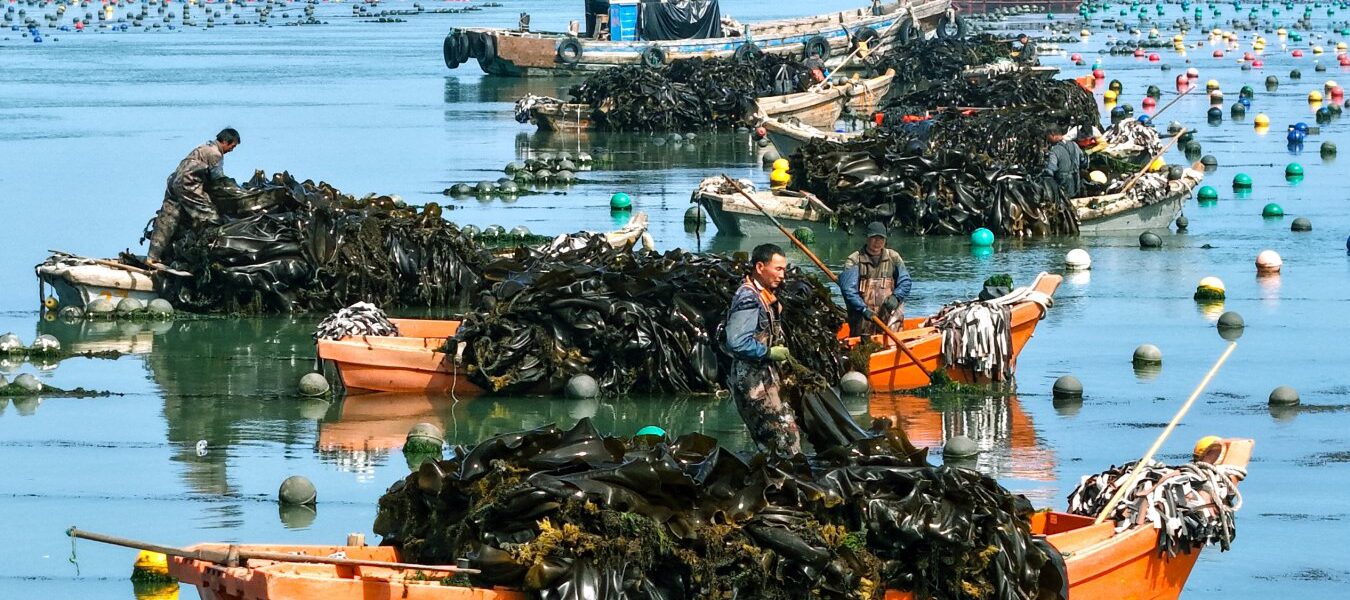
A new study challenges the notion that growing seaweed can effectively mitigate climate change, highlighting the carbon emissions from decomposed seaweed as a significant drawback.

Seaweeds, particularly kelp, absorb an estimated 3.7 billion tonnes of carbon dioxide annually through photosynthesis, drawing CO2 from seawater and the atmosphere above.

Seaweed cultivation not a viable climate solution, study finds

However, the study by Karen Filbee-Dexter and colleagues at the University of Western Australia reveals that the loss of kelp forests could lead to a net increase in CO2 emissions.

AdvertisementFollow Sun NewsWatch Live

With approximately 60% of kelp forests in decline, these ecosystems are at risk of emitting more CO2 than they absorb, potentially reversing their climate benefits.

Seaweed cultivation not a viable climate solution, study finds

The researchers argue that efforts should focus on preserving existing seaweed ecosystems rather than expanding cultivation, as this could lead to unintended consequences such as diminished phytoplankton growth.

Seaweed cultivation projects, such as those by the US start-up Running Tide, which aimed to cultivate kelp on wooden buoys, have faced challenges, including difficulties in growing kelp in the open ocean.

Other initiatives, like restoring kelp forests in northern Norway by poisoning sea urchins, have shown limited success, drawing down only about 50,000 tonnes of CO2 per year.

Meanwhile, global kelp loss is estimated to emit an estimated 14 million tonnes of CO2 per year, highlighting the urgent need to address the decline of these vital ecosystems.

The study emphasizes the importance of understanding the complex interactions within marine ecosystems and the potential negative impacts of large-scale seaweed cultivation.