Key Takeaways
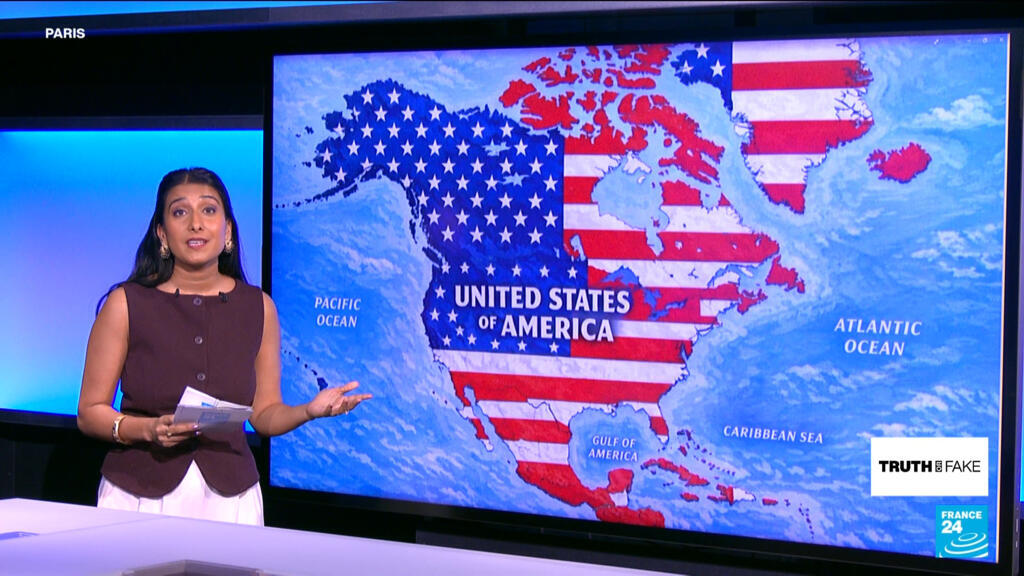
- Donald Trump shared an AI-generated map depicting US expansion into North America, Iceland, and the Caribbean.
- Diplomatic backlash ensued, with Iceland summoning its ambassador and Mexico reaffirming its sovereignty.
- The map sparked ridicule and questions about Trump’s fitness for office.
US President Donald Trump has shared an AI-generated map on social media, showing a dramatic expansion of the United States into North America, Iceland, and parts of the Caribbean. The map, which has been widely shared online, depicts the US as absorbing Canada, Mexico, Greenland, Iceland, Cuba, and other territories into a 'United States of America'.
The move has drawn swift criticism from affected nations. Iceland's government summoned its ambassador to the US to express its concerns, while Mexico reiterated its sovereignty. Denmark also pushed back over Greenland, which is currently under Danish sovereignty.
The map, which was shared without any context or explanation, has sparked widespread ridicule and questions about Trump's fitness for office. Social media users have mocked the map, pointing out its unrealistic and controversial nature.
In a statement, Iceland's foreign ministry said, 'We are concerned about the implications of this map and the potential misunderstanding it could cause. We will continue to monitor the situation closely.'
Similarly, Mexico's foreign ministry stated, 'The sovereignty of Mexico is not up for negotiation. We will continue to defend our territorial integrity.'
Denmark, which has long-standing sovereignty over Greenland, issued a statement saying, 'Greenland is part of the Kingdom of Denmark and its sovereignty is not in question.'
The map has also sparked debate among US citizens and international observers. Some have praised it as a creative expression of American dominance, while others have condemned it as a dangerous and divisive political statement.
Online, the map has been met with a mix of ridicule and concern. Many social media users have pointed out the map's inaccuracies and questioned its intent. 'This map is not a realistic projection of the future. It's a political statement that could be harmful,' said a US citizen who wished to remain anonymous.
The incident has reignited discussions about Trump's handling of foreign policy and his ability to lead. Critics have called for a more nuanced approach to international relations, while supporters have defended his right to share such content.