LIVE Watch Now Punjabi News Channel from Pakistan
Breaking
Human brain develops from two distinct cell types, study findsSecurity forces hailed for successful anti-terror operationsFinance Minister Highlights Economic Progress at JP Morgan ConferenceLahore High Court Extends Suspension of PMDC Directive for Afghan Medical StudentsBank Alfalah Launches Health and Financial Literacy Programme in SchoolsOver 1 Million Pakistanis Register for Fuel Relief SchemeNew Wild Cat Species Identified in Bolivia’s Cloud ForestsFaisalabad’s Water Supply to See Significant ImprovementAustralian man pleads not guilty to Thai teenager’s murderUK to face MPs over Eurovision ‘dismal record’UK peers call for BBC charter review to focus on creative economyAnthropic warns AI systems are building themselvesMobile phone imports decline as telecom infrastructure demand surgesPrivate Power Producers Charge Significantly More Than Government DamsRawalpindi Cantonment Board Introduces Borewell Regularization FeesSolar Firm to Launch Pakistan’s First SPAC Listing on PSXPakistan pledges unwavering support to Saudi ArabiaDada Partners advises QistBazaar on PKR 500 million SukukWazirabad press club tours information ministry’s digital wingJournalists and lawyers condemn rearrest of Imaan and HadiHuman brain develops from two distinct cell types, study findsSecurity forces hailed for successful anti-terror operationsFinance Minister Highlights Economic Progress at JP Morgan ConferenceLahore High Court Extends Suspension of PMDC Directive for Afghan Medical StudentsBank Alfalah Launches Health and Financial Literacy Programme in SchoolsOver 1 Million Pakistanis Register for Fuel Relief SchemeNew Wild Cat Species Identified in Bolivia’s Cloud ForestsFaisalabad’s Water Supply to See Significant ImprovementAustralian man pleads not guilty to Thai teenager’s murderUK to face MPs over Eurovision ‘dismal record’UK peers call for BBC charter review to focus on creative economyAnthropic warns AI systems are building themselvesMobile phone imports decline as telecom infrastructure demand surgesPrivate Power Producers Charge Significantly More Than Government DamsRawalpindi Cantonment Board Introduces Borewell Regularization FeesSolar Firm to Launch Pakistan’s First SPAC Listing on PSXPakistan pledges unwavering support to Saudi ArabiaDada Partners advises QistBazaar on PKR 500 million SukukWazirabad press club tours information ministry’s digital wingJournalists and lawyers condemn rearrest of Imaan and Hadi
◕ SundialUpdated 1 day ago
Trending
Pakistan

Private Power Producers Charge Significantly More Than Government Dams

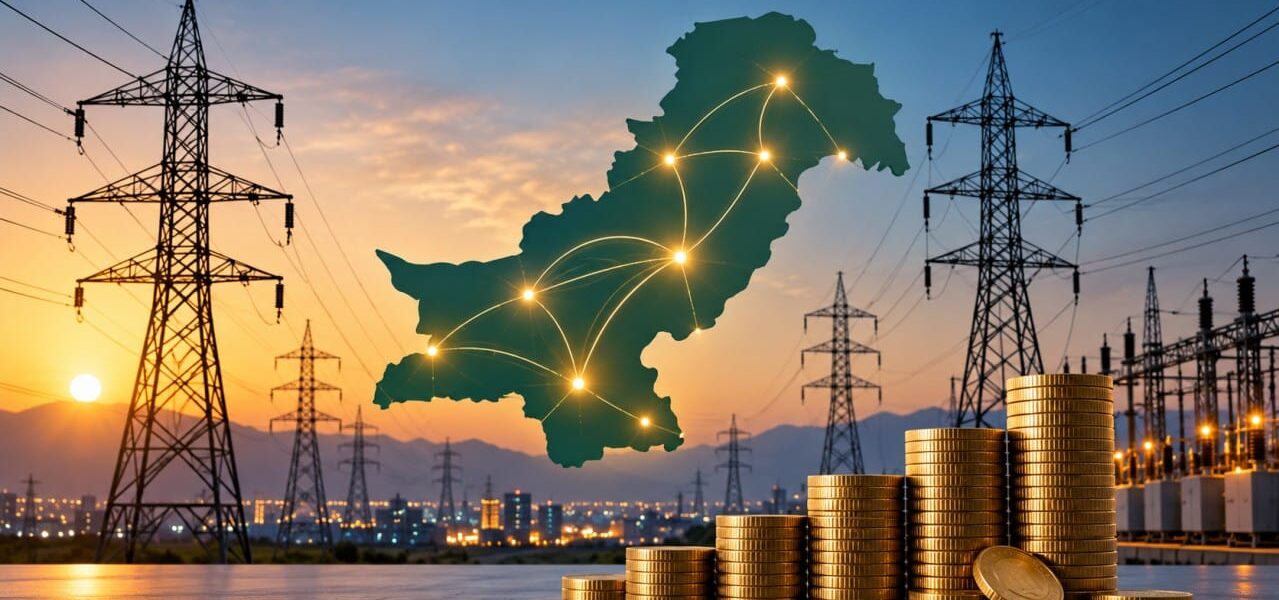
Private power producers charge 12 times more than government dams for electricity in Pakistan, highlighting a significant cost disparity.

Add Sun News on Google News
Private Power Producers Charge Significantly More Than Government Dams
Private independent power producers (IPPs) and government dams in Pakistan.

Key Takeaways

  • Private independent power producers (IPPs) charge 12 times more than government dams for electricity generation.
  • WAPDA dams produce power at Rs. 2.70 per unit, while IPPs charge up to Rs. 34 per unit.
  • The government paid Rs. 186 billion to WAPDA and Rs. 1.04 trillion to IPPs for electricity generation.

The cost of electricity generation in Pakistan varies significantly, with private independent power producers (IPPs) charging 12 times more than government dams, according to documents presented to the Senate.

WAPDA dams, which include the Tarbela Hydel Power Project, generate power at a much lower cost of Rs. 2.70 per unit, compared to Sahiwal Coal Power Plant, which charges Rs. 34.17 per unit.

The average cost across all government dams is Rs. 5.39 per unit, while the cost of power from domestic Thar coal is Rs. 19.03 per unit. Imported coal-based plants, such as Port Qasim, charge even higher at Rs. 32.16 per unit.

AdvertisementFollow Sun NewsWatch Live

During the current fiscal year, the government paid Rs. 186 billion to WAPDA for 34.5 billion units of electricity, while it paid Rs. 1.04 trillion to IPPs for 49.8 billion units.

The documents also revealed that more than Rs. 1.3 trillion was paid to IPPs in capacity charges during the current fiscal year, highlighting the significant financial burden on the government.

The disparity in costs has raised concerns about the efficiency and sustainability of the current energy mix, with some arguing that the government should focus on developing more cost-effective domestic sources of energy.

Critics of the IPPs argue that the high cost of electricity from these plants is passed on to consumers, leading to higher electricity bills and increased financial strain on households and businesses.

The government has been exploring various measures to reduce the cost of electricity, including the development of more domestic energy sources and the implementation of cost-saving measures in the energy sector.