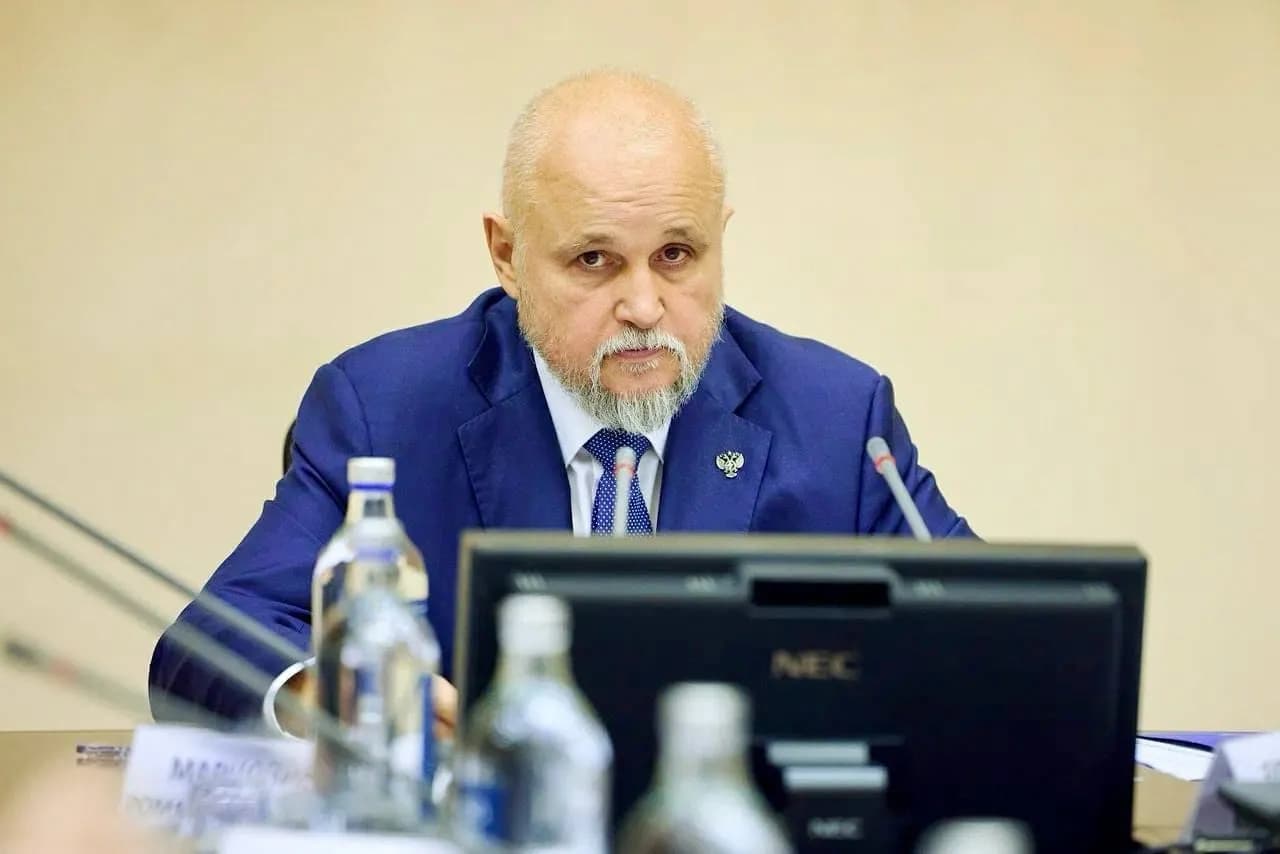
Russian Energy Minister Sergey Tsivilev chaired a meeting of the Russian side of the Russia–Pakistan Intergovernmental Commission (IGC) on Wednesday to prepare for the 11th session of the Commission. The session is scheduled to take place in Moscow on November 25, 2026.
Tsivilev stated that the upcoming session is expected to consolidate achieved results, identify new growth areas, and provide additional momentum for joint projects. The meeting, which included representatives from Russian federal executive authorities and companies, focused on accelerating projects and finalizing agreements in sectors such as energy, trade, transport, industry, healthcare, agriculture, education, and disaster management.
The Russian side reported that more than 10 bilateral cooperation agreements covering various sectors are at the final stage of preparation for signing.
Energy cooperation was a primary focus, with both sides exploring the supply of Russian energy resources, the construction of new hydropower plants, and the modernization of existing facilities. Discussions also included improving energy efficiency, deploying energy storage systems, and protecting energy infrastructure against cyber threats.
In the transport sector, the countries identified the development of maritime shipping and expanded cooperation within the International North–South Transport Corridor as promising areas. Industrial discussions included the potential revival of the Karachi Steel Mills, while healthcare talks explored the potential localization of Russian insulin production in Pakistan.
Regarding trade, the Russian side highlighted that a research group was established in 2026 to examine the possibility of a free trade agreement between Pakistan and the Eurasian Economic Union (EAEU). Both countries intend to continue work on this proposed arrangement.
Agricultural cooperation saw a 17 per cent increase in bilateral trade, with Russian exports of finished agricultural products to Pakistan continuing to grow. Future cooperation may include mineral fertilizers, crop breeding, scientific and technological exchanges, and the possible supply of veterinary vaccines.
In education and science, around 1,400 Pakistani students enrolled at Russian educational institutions during the 2025–2026 academic year, twice the number recorded in 2023. The sides are drafting agreements on the mutual recognition of academic qualifications. An Open Education Centre currently operates in Islamabad, and the Russian Teacher Abroad programme is being developed.
The meeting also addressed emergency management, noting that in January 2026, representatives from Russia’s Ministry of Emergency Situations (EMERCOM) participated in joint exercises for forest fires, avalanches, and heavy snowfall. Russian rescue teams also played an important role in relief operations following Pakistan’s devastating 2005 earthquake.
Tsivilev concluded by stating the priority is to ensure the practical implementation of promising cooperation areas and to prepare concrete proposals for the 11th session of the IGC.