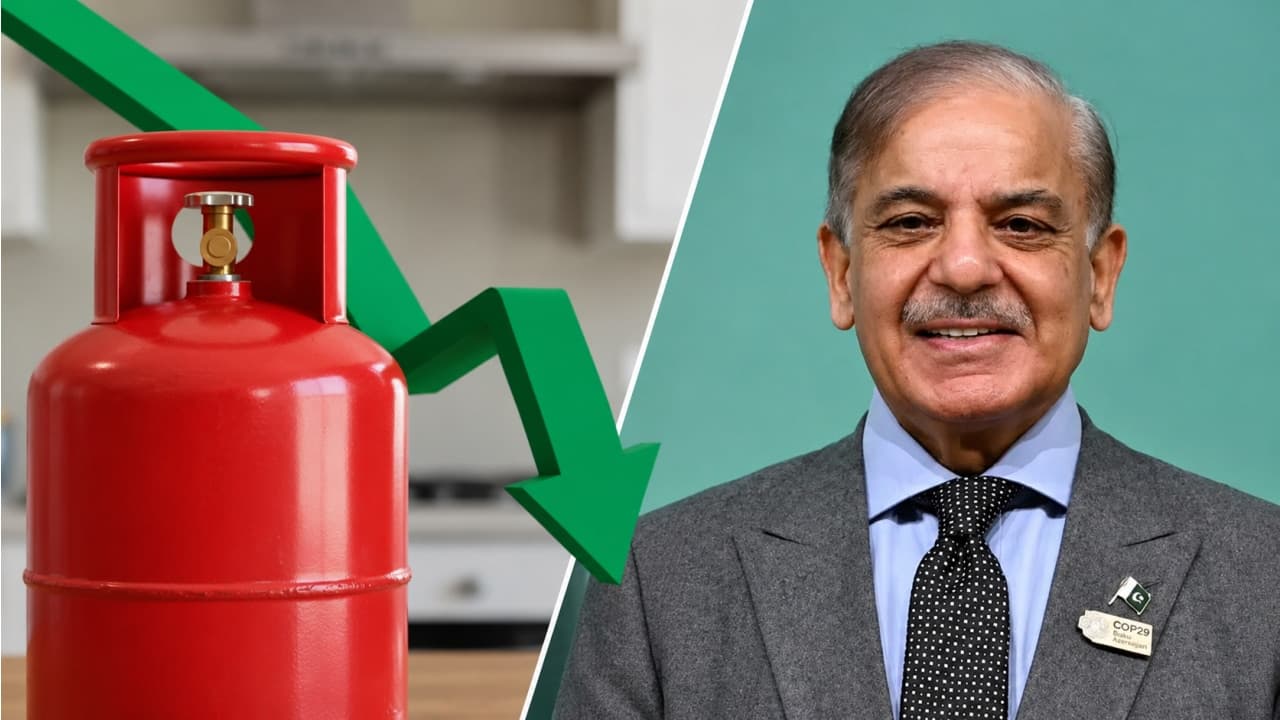
Prime Minister Shehbaz Sharif has announced a new allocation system for liquefied petroleum gas (LPG) that ends what he described as a decades-old monopoly in the sector. The government will now use competitive auctions for locally produced supplies under proper supervision.
During a federal cabinet meeting on Wednesday, Shehbaz stated that the government is making all possible efforts to ensure uninterrupted supplies of liquefied natural gas (LNG), LPG, and oil. He noted that these efforts are necessary due to rising international prices and challenges affecting maritime routes. To manage this, the government is holding meetings every two to three days to review energy requirements and create contingency and coordination plans. The Prime Minister stated the government aims to keep power plants running while trying to limit the impact of high energy prices on consumers.
The new mechanism will also require companies importing the commodity to follow prescribed procedures. Shehbaz said that revenue from the transparent auction process would go to the national exchequer to be used for providing subsidies and relief to ordinary citizens.
The policy shift follows a severe supply shortage in Pakistan’s LPG market. This shortage began after the Gabd-Rimdan and Taftan border crossings with Iran closed on October 17, disrupting imports of approximately 7,000 metric tons per day. Pakistani authorities stated the closure was due to security concerns and efforts to curb smuggling, while Iran attributed the disruption to technical issues.
The supply shock has caused open market prices to reach as high as Rs. 700 to Rs. 800 per kg in some areas, significantly higher than the OGRA notified November rate of Rs. 294 per kg. Consequently, a 12 kg cylinder that previously cost around Rs. 4,500 has risen to approximately Rs. 7,000, increasing pressure on households before the winter season.