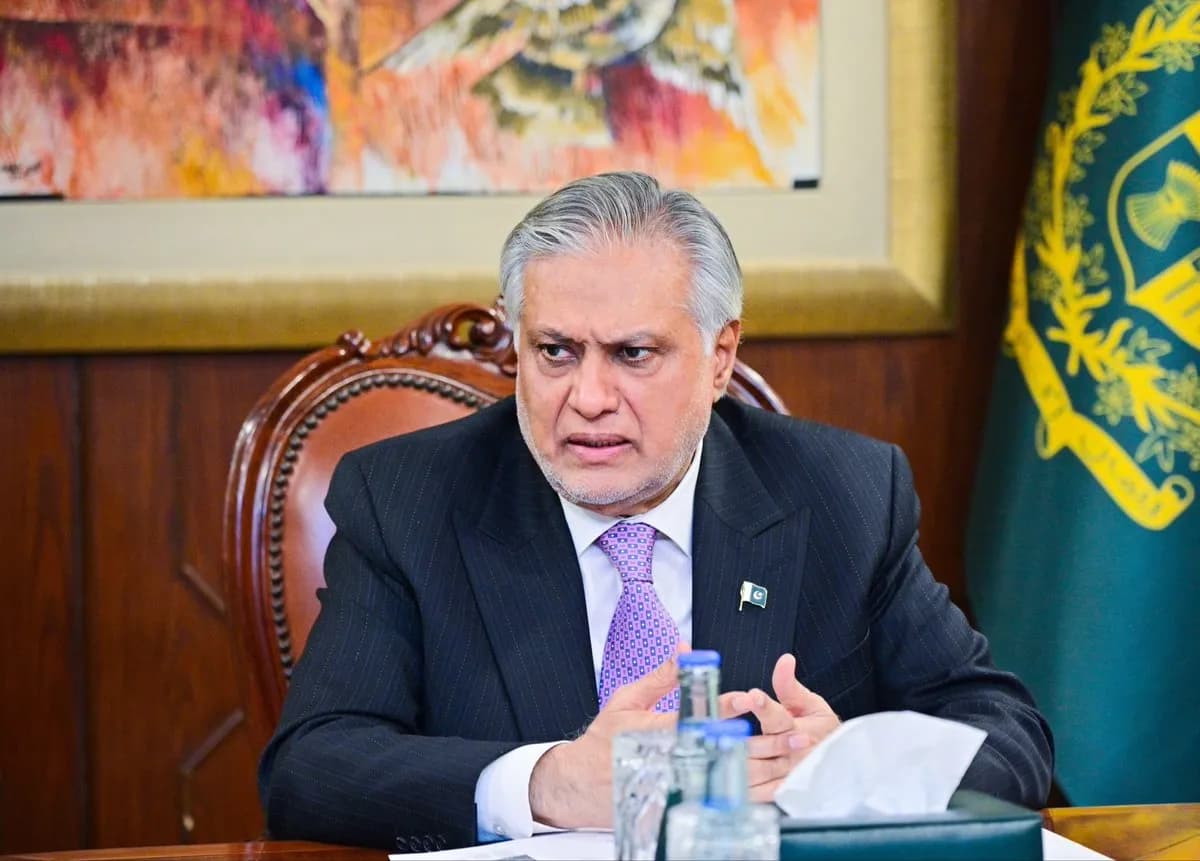
Defence Minister Khawaja Asif hit back at Pakistan Peoples Party (PPP) Chairman Bilawal Bhutto-Zardari on Wednesday, questioning the chairman's moral standing to criticize the government while pointing to the PPP's 18-year rule in Sindh.
In a post on X, Asif challenged Bilawal's calls for a "political reset" and his criticism of governance and constitutional matters. “He who claims equity must come with clean hands. This is a centuries-old legal maxim. Are your own hands clean? Do you have the right to lecture others or issue threats?” Asif said.
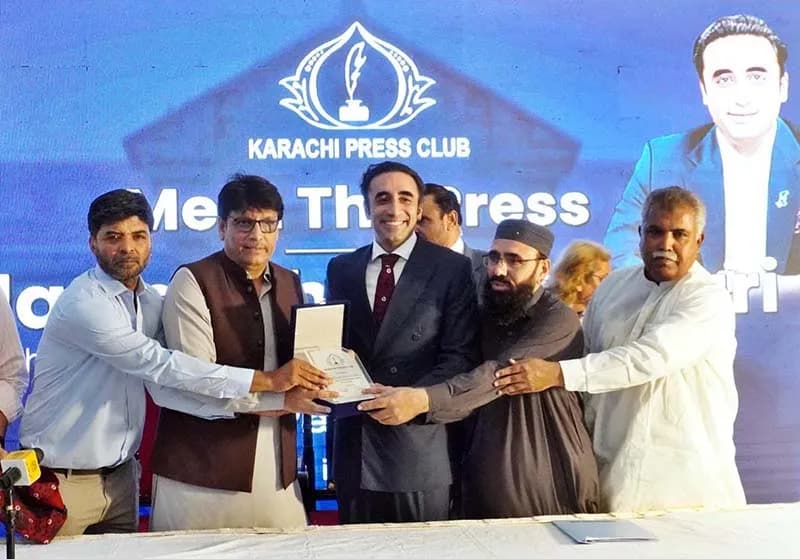
Asif’s remarks followed a "certainly very fiery and focused on criticism" speech delivered by Bilawal at the Karachi Press Club the previous day. During that speech, Bilawal criticized the government's handling of governance and rejected proposals to hold a referendum on creating new provinces. Bilawal warned that any attempt to divide Sindh against the wishes of its people could lead to bloodshed. He also claimed the governance system had not collapsed, but was rather “made to collapse,” responding to a July statement by Interior Minister Mohsin Naqvi who suggested the current system had "collapsed" and needed a "reset."
Asif responded to the "system collapse" claim by stating, “No system can reset without public support. If you are talking about a system collapse, then, as we are all connected to this system, it is also necessary for us to take stock of our responsibilities.”
Asif further mocked Bilawal’s record in Sindh, saying, "Mr Bilawal, you have had the government in Sindh for 18 years. Sindh has become a paradise. The condition of Karachi city is something the world looks upon with envy." He also highlighted the PPP's partnership with the Pakistan Muslim League-Nawaz (PML-N) in the federal government since 2022, alleging that "The profit is yours, while the loss belongs to the PML-N or Pakistan."
Regarding the referendum, Asif stated there is no restriction on parliamentary debate alongside a public referendum, noting, “Our foundation as politicians is public opinion. There is no restriction on parliamentary debate and discussion alongside a public referendum.” He argued that if the opinion of the people is sought alongside parliament, it would be the "pinnacle of legitimacy."
Asif emphasized that governance is not a monopoly and that the power of rulers is a trust belonging to the people. He stated that the battle now is to transfer governance to the street and neighbourhood level.
Other government officials responded to Bilawal's address with mixed reactions. Adviser to the Prime Minister on Political Affairs Rana Sanaullah suggested Bilawal’s comments about the 27th Constitutional Amendment being passed under pressure could provide grounds for his disqualification. Sanaullah noted the PPP participated in every stage of the legislative process for the 26th and 27th amendments.
Information Minister Attaullah Tarar defended the proposed referendum as a constitutional way to ascertain public opinion on new provinces. Tarar reminded Bilawal that the PPP has been in power for decades and cannot distance itself from the system's weaknesses.
Opposition and allied responses were varied. Jamiat Ulema-e-Islam-Fazl (JUI-F) spokesperson Aslam Ghauri welcomed Bilawal's remarks, stating the chairman endorsed the party's position that a referendum is unnecessary when the Constitution provides a mechanism to resolve issues. The Tehreek-e-Tahafuz-e-Ain Pakistan (TTAP) welcomed the comments in principle but noted a contradiction between the PPP’s words and actions.
The PTI, however, stated the PPP could not absolve itself of responsibility for the country’s economic and political situation while remaining in the ruling coalition. PTI spokesperson Sheikh Waqas Akram criticized Bilawal for supporting the 26th Amendment and demanded the PPP help secure the return of PTI’s reserved seats.
The proposed 28th Constitutional Amendment involves reorganizing Pakistan’s administrative structure, with reports suggesting a possible plan to divide the country into 12 provinces. This includes a proposal to divide Punjab into four provinces, Khyber-Pakhtunkhwa and Balochistan into three each, and Sindh into two. No final draft or formally approved 28th Amendment has been presented.