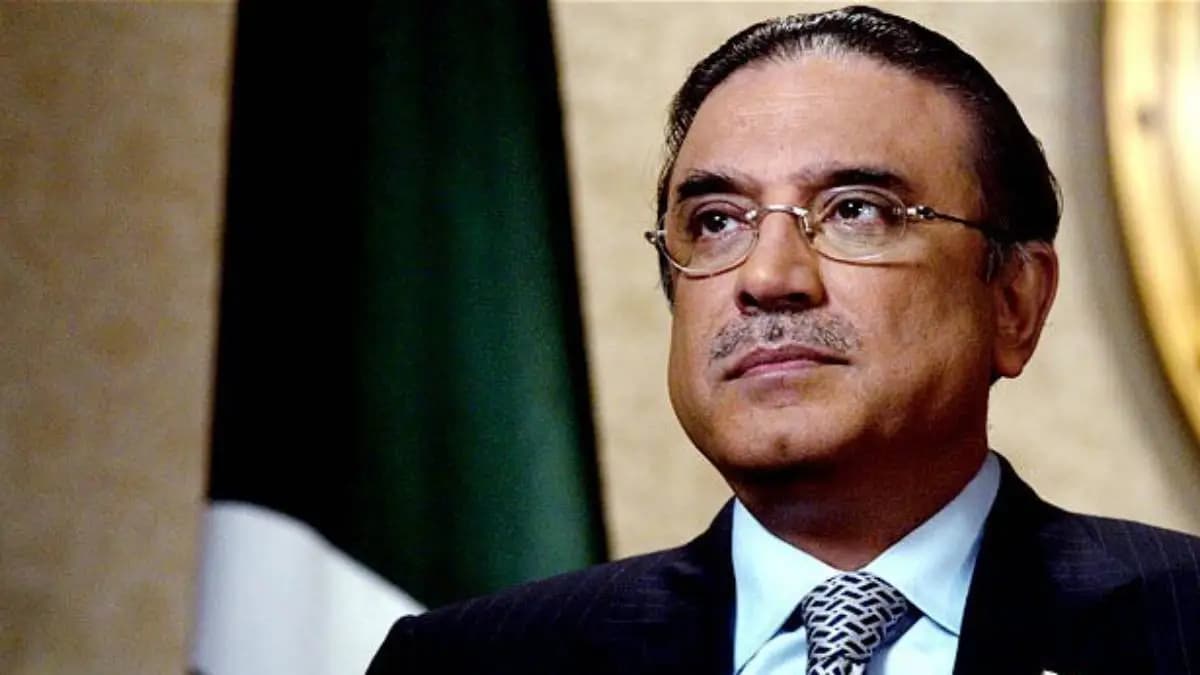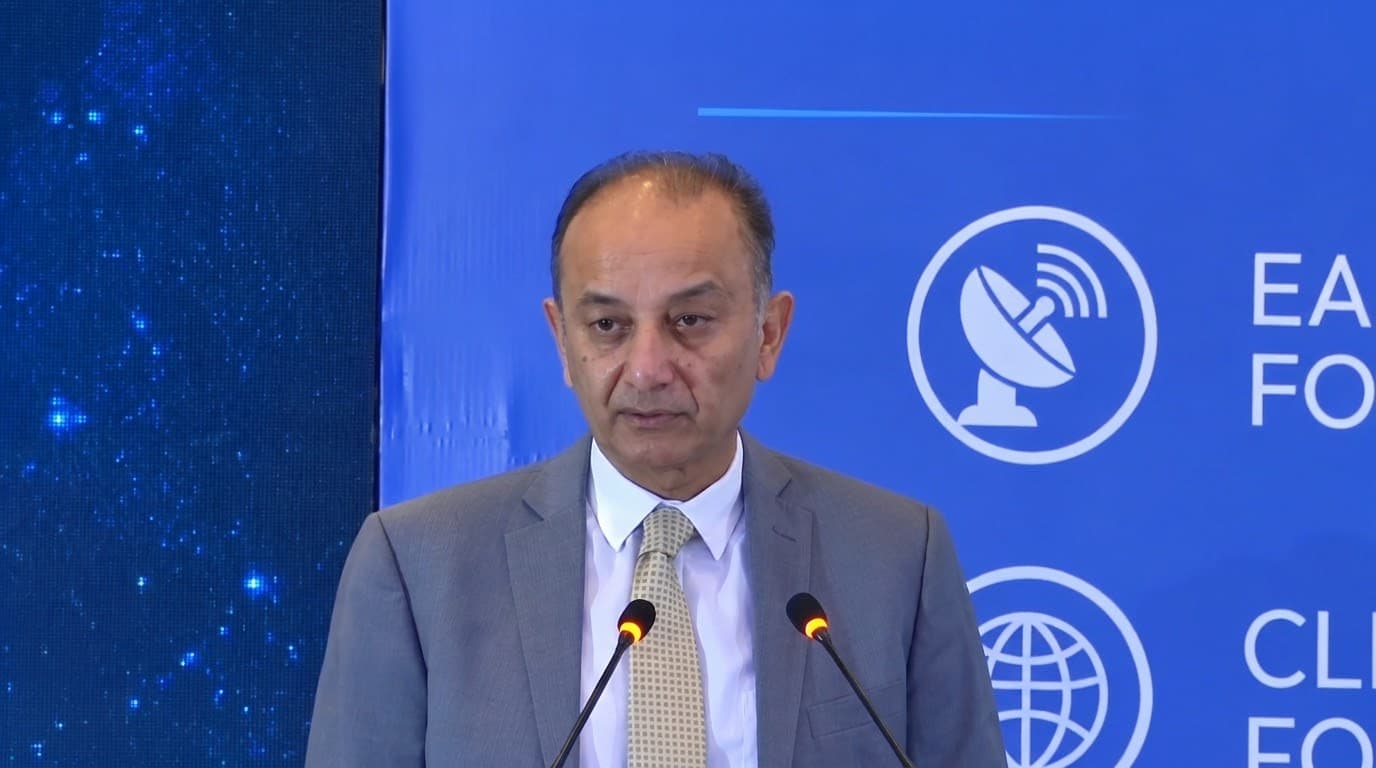
Federal Minister for Climate Change Dr Musadik Malik addressed the closing ceremony of an international conference on "Leveraging Space Technology for Early Warning for All, Climate Action and Disaster Risk Assessment" on 31 October.
Malik stated that the government intends to produce an annual satellite-based report before the next monsoon season to detect human activities and construction within floodplains and riverbeds. Dr Musadik Malik argued that satellite evidence provides a scientific foundation for land-use planning and disaster-risk reduction, regardless of the political or economic influence of those involved.
He said, "A warning without an address is addressed to no one." Approximately 4,600 people died in Karachi during a week-long heatwave, a figure Malik questioned given the existence of scientific data and the ability to forecast extreme weather.
Dr Musadik Malik urged scientists and researchers to focus on protecting vulnerable populations, noting that rescue operations should be the final resort rather than the primary response. Malik suggested that digital twins could be used to evaluate vulnerabilities caused by poor water drainage, inappropriate zoning, inadequate construction standards, and building collapses.
A green innovation startup fund was recently launched with 10 million dollars to support such efforts.