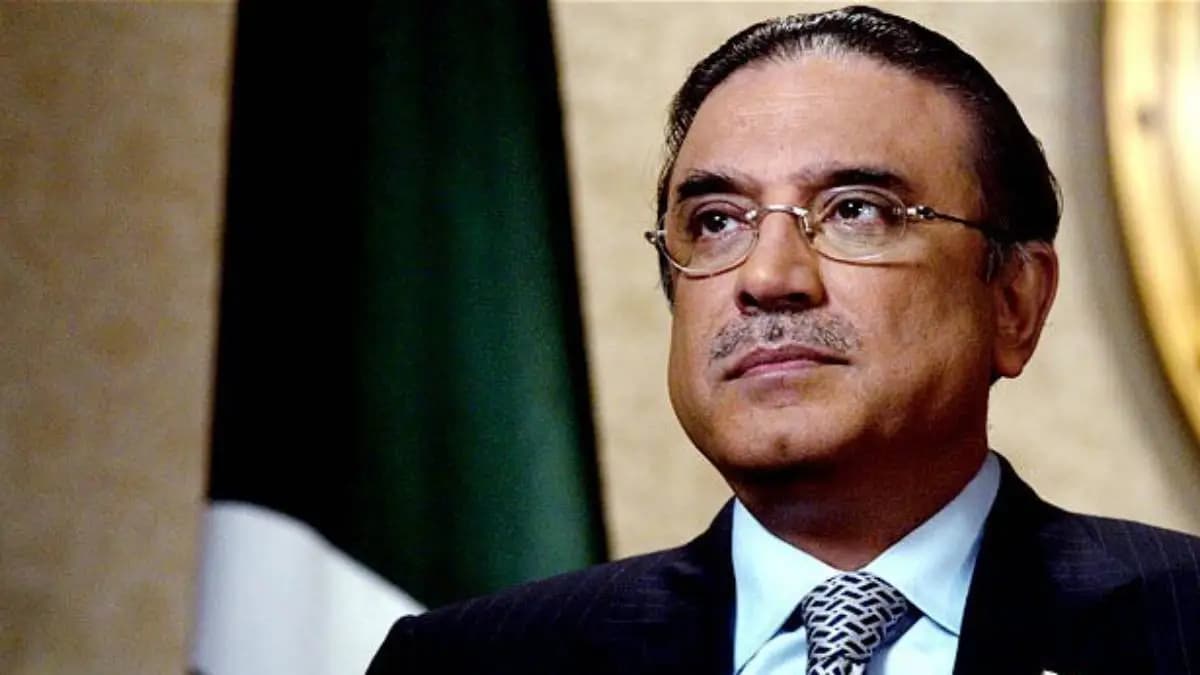
President Asif Ali Zardari sent his best wishes to the residents of Gilgit-Baltistan as the territory marked its 79th Independence Day on 31 October.
Zardari paid tribute to those who participated in the historic struggle against Dogra rule, noting that their courage and decision to join Pakistan remain a vital part of shared history.
The President stated, "Seventy Nine years ago on this day, the heroic people of Gilgit Baltistan overthrew the colonial yoke of Dogra rule, declared independence and soon after, sent the letter to Quaid-e-Azam for accession to Pakistan. The flame for freedom has never extinguished and their loyalty with Pakistan has never been questioned all those decades and years." Shaheed Zulfikar Ali Bhutto initiated a series of landmark reforms in the region in 1972, which included the abolition of the Jagirdari system and the Frontier Crimes Regulation.
During that same year, the old Agency system was dismantled to introduce a new judicial and administrative framework. Shaheed Mohtarma Benazir Bhutto advanced the process through the Legal Framework Order of 1994, which established the Northern Areas Legislative Council. The PPP government led by President Asif Ali Zardari introduced the Gilgit-Baltistan Empowerment and Self-Governance Order in 2009.
Zardari claimed that the region holds considerable importance due to its natural resources, strategic location, and direct border with China.
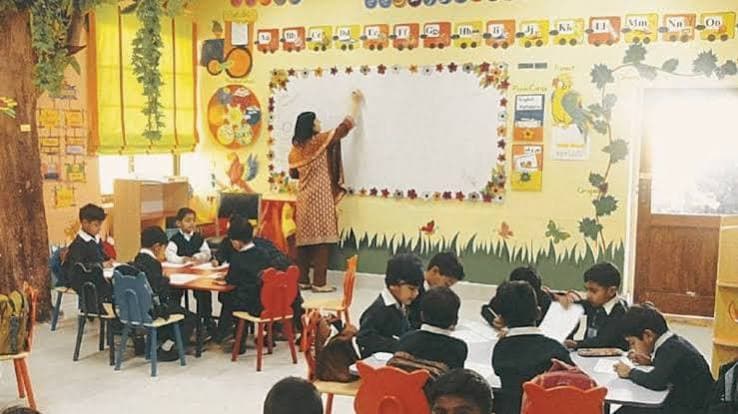
He said, "For ordinary families, development means access to good schools and hospitals, better opportunities for young people and improved access to markets for farmers and small businesses. These practical needs must remain central to our priorities, including in remote areas." Zardari noted that the mountains, glaciers, rivers, and cultural heritage of Gilgit-Baltistan are among Pakistan’s greatest assets.
He added that while tourism can support local economies and provide livelihoods, the natural environment must be protected for future generations.