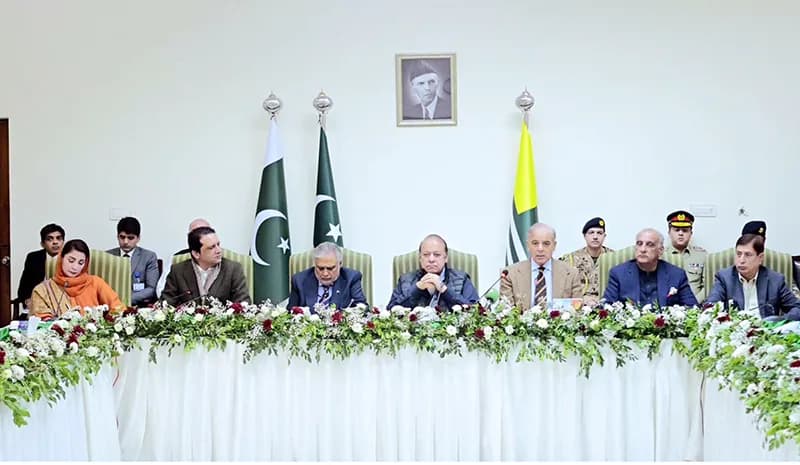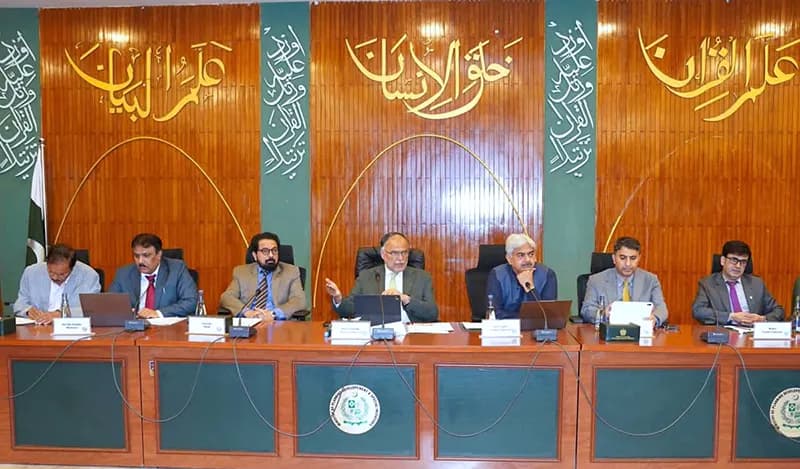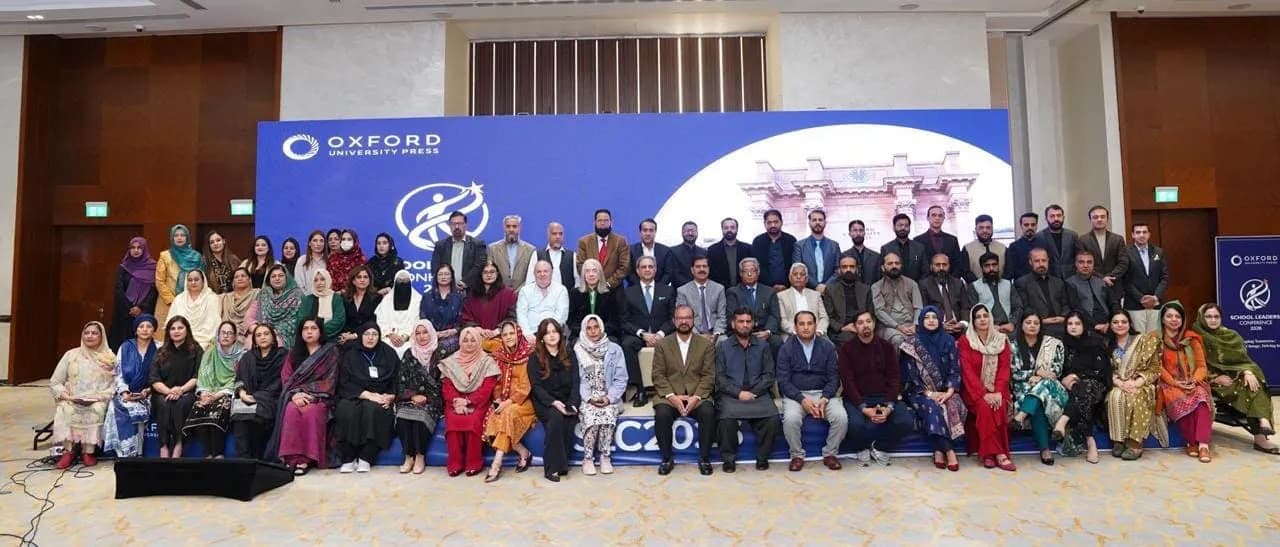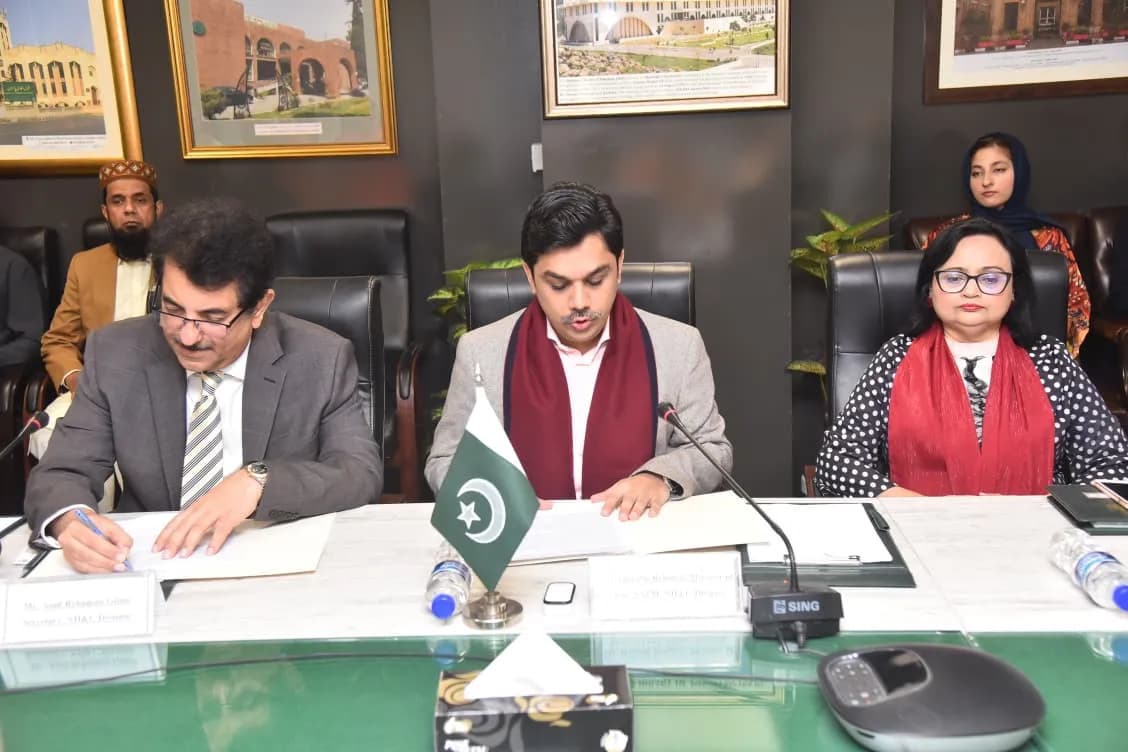
International Buddhist monastics and scholars have proposed several recommendations to strengthen Pakistan’s Gandhara Strategy, focusing on infrastructure, community involvement, and international cooperation. These suggestions were shared during the final session of the four-day Gandhara Strategic Dialogue 2026, which concluded on Friday at the Ministry of National Heritage and Culture Division in Islamabad.
The visiting Buddhist delegates stated that making Gandhara a sustainable religious and cultural destination requires better transportation, visitor facilities, and meditation halls. They specifically noted that religious pilgrims have different needs than standard tourists and argued that these distinct requirements should be factored into the planning of infrastructure and pilgrimage facilities.
The participants also called for the involvement of local communities in preserving heritage. They argued that locals should not only gain economic benefits from heritage activities but should also understand the spiritual and cultural significance of historical sites and take pride in their legacy. Additionally, the delegates suggested exploring the ecological restoration of certain Gandhara areas to mirror their historical natural environments.
To increase international engagement, the monastics called for diplomatic facilitation and closer ties with Buddhist communities, specifically mentioning Laos and Bangladesh. They observed that Pakistan’s Gandhara heritage provides opportunities to strengthen spiritual and cultural ties across Europe, the Himalayan region, East Asia, and South Asia.
One monk from Thailand told the gathering that he had dreamed of visiting Pakistan for nearly two decades, adding that his experience had given him a much more positive impression of the country than the limited references in Thai literature and perceptions formed abroad.
Secretary National Heritage and Culture Division Asad Rehman Gillani responded by stating that Pakistan is not the owner but the custodian of Gandhara’s heritage, describing its preservation as a collective responsibility. Gillani said he appreciated the insights from the international delegates and noted that Pakistan could learn from their experience in safeguarding sacred heritage. He assured the group that their recommendations would be considered to refine the national Gandhara Strategy. He explained that a task force created by the Prime Minister aims to coordinate various institutions and departments on heritage preservation, infrastructure, education, security, and international cooperation.
Coordinator of the Prime Minister’s Task Force on Gandhara, Imran Shauket, emphasized the need to keep the religious significance of Gandhara at the center of future initiatives. Shauket outlined proposals including:
Introducing a dedicated Buddhist visa category with long-term multiple-entry visas for monks;
Simplifying NOC requirements;
Establishing meditation and learning facilities near heritage sites;
Creating Gandhara Corners at international universities.
Shauket also stressed the importance of engaging with the global Buddhist Sangha, international partners, and local communities to strengthen heritage stewardship.
Special Assistant to the Prime Minister Huzaifa Rahman stated that the four-day Dialogue allowed international delegates, historians, and religious leaders to explore the civilization’s contributions to Buddhist philosophy, sculpture, and architecture. He emphasized strengthening Pakistan’s historical and cultural connections with Sri Lanka, Thailand, China, Japan, the Republic of Korea, Vietnam, Nepal, and Bhutan through academic research and religious engagement.
The concluding session reaffirmed the need to turn international recommendations into practical initiatives through local ownership and collaboration. During their visit, the international delegates also toured the Lok Virsa complex, where they expressed appreciation for the museum’s displays of Pakistan’s diverse traditions.