Key Takeaways
- The government plans to set up 3,000 public EV charging facilities across Pakistan by 2030.
- Subsidies of up to Rs400,000 will be provided for electric three-wheelers.
- The policy aims to reduce reliance on imported components and promote local manufacturing.
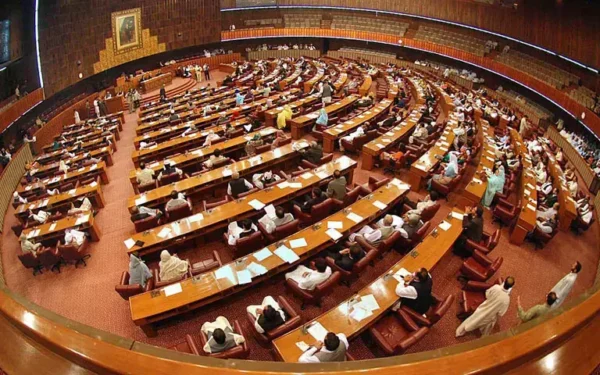
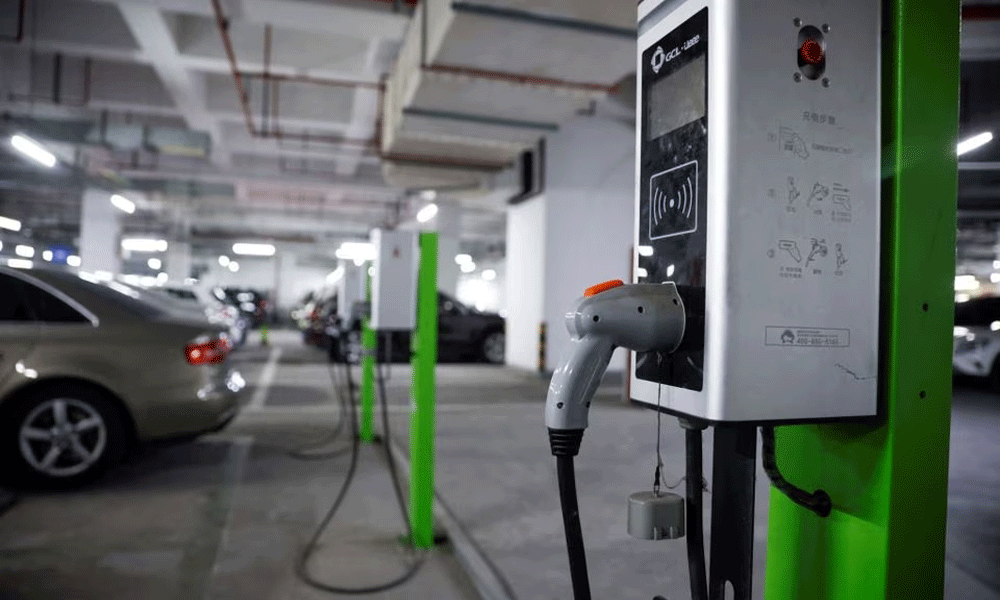
The National Assembly was informed on Thursday that Pakistan is planning to establish approximately 3,000 public electric vehicle (EV) charging facilities across the country by 2030, as part of its New Energy Vehicle (NEV) Policy 2025-30.
The Ministry of Industries and Production stated that the government intends to provide subsidies of up to Rs400,000 for electric three-wheelers, with subsidies of Rs80,000 for electric two-wheelers.
The policy includes the establishment of 40 fast-charging stations along motorways and selected sections of the National Highway (N-5), with charging facilities planned at intervals of about 50 km along major highways.
The government is also encouraging fuel stations to install charging facilities and expand the network of fast, Level 2, and Level 1 chargers, alongside battery-swapping facilities for electric two- and three-wheelers.
To attract private investment, the ministry is promoting a dedicated commercial electricity tariff for charging stations, expedited electricity connections, and public-private partnerships, including viability gap funding arrangements.
The policy aims to reduce reliance on imported components by encouraging domestic manufacturing, technology transfer, joint ventures, and the development of local supply chains.
Potential areas for local production include electric motors, battery packs, power electronics, chargers, and wiring systems. The Engineering Development Board is facilitating the industry through regulatory support and monitoring commitments.
The government is working towards a regulatory framework and a nationwide network of battery collection and recycling facilities to recover valuable materials, minimise environmental risks, and promote a circular economy.
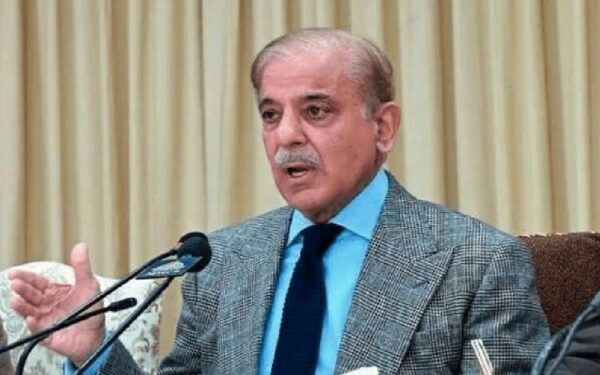
In a related development, Prime Minister Shehbaz Sharif had approved a five-year automotive policy aimed at increasing domestic production, boosting exports, and improving competition in Pakistan’s automotive sector. The policy targets vehicle exports to USD6 billion.