Key Takeaways
- Punjab government introduces $300 million World Bank-supported Punjab Clean Air Program (PCAP) to reduce PM2.5 exposure.
- New initiatives include advanced monitoring systems, electric public transport, and stricter enforcement mechanisms.
- Government aims to expand air-quality monitoring stations from 59 to 100 and deploy AI-based forecasting.
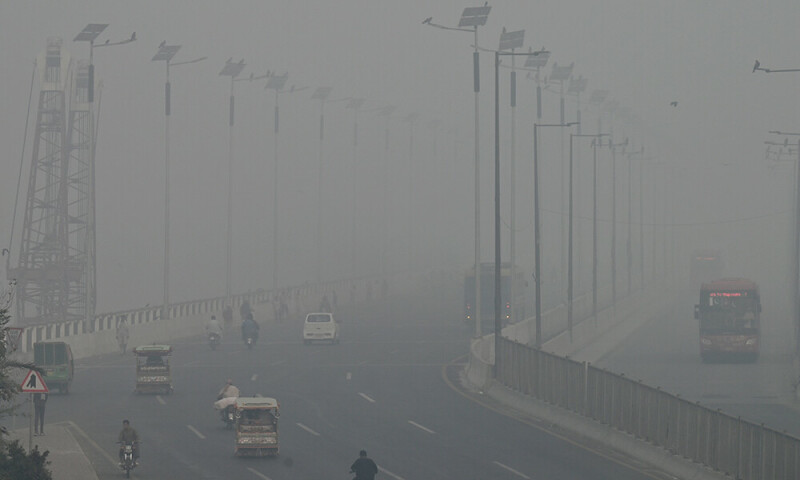
Punjab is gearing up for another smog season, with the government taking a more proactive approach to tackle air pollution. The Punjab Clean Air Program (PCAP), a $300 million initiative supported by the World Bank, is set to run from 2025 to 2030, focusing on reducing PM2.5 exposure by 35 percent over the next decade.
The program aims to address pollution from various sources, including transport, agriculture, and industry, particularly in Lahore Division. This marks a significant shift from previous years, where emergency measures were the primary response during peak smog months.
To enhance monitoring, the government plans to expand the air-quality monitoring network from 59 to 100 stations. The proposed Lahore Air Improvement Framework, estimated at Rs4.35 billion, will introduce advanced emission monitoring, pollution intelligence systems, and targeted enforcement mechanisms.
Technology is playing a crucial role in the strategy. Drones, CCTV cameras, and AI-based systems are being deployed to monitor industrial emissions, identify pollution hotspots, and detect violations. Over 8,500 cameras are being used for industrial chimney surveillance, while continuous emission monitoring systems are planned to strengthen industrial compliance.
The government is also promoting cleaner technologies, such as electric public transport. Under PCAP, 120,000 electric two- and three-wheelers are being supported, and plans are in place for stronger vehicle emission testing. In agriculture, 7,273 Super Seeders have been distributed to discourage crop-residue burning, part of a broader target of 10,000.
Efforts are being made to control construction dust, improve fuel-quality testing, and strengthen industrial enforcement. These measures represent a welcome shift in direction, moving from reactive emergency interventions to a more structured and sustained approach to air pollution management.
However, the real challenge lies in translating these plans into cleaner air. While monitoring and regulation are crucial, they cannot eliminate emissions on their own. The plan lacks clear, publicly measurable annual targets for reducing emissions from major sources such as transport, industry, and agriculture. Questions also remain about enforcement capacity, cleaner industrial fuels, compliance costs, and coordination among departments.
Despite these challenges, the government’s increased focus on monitoring, regulation, and cleaner technologies suggests a growing recognition of air pollution as a structural problem requiring sustained attention. The success of these initiatives will depend on their implementation and the ability to enforce and monitor compliance effectively.