Key Takeaways
- Blue Planet III includes less polished footage to prove authenticity.
- Producers say the series aims to assure viewers animals are not AI-generated.
- The series features the world’s first underwater CCTV camera, dubbed ‘stonefish’ cam.
The David Attenborough-narrated BBC series Blue Planet III has introduced a new approach to its filming techniques, opting for cloudier, less polished footage to reassure viewers that the content is authentic and not AI-generated.
Producers of the series have stated that the deliberate use of less pristine shots is a deliberate strategy to combat the growing concern over AI-generated content in media.
This move comes nearly a decade after the groundbreaking Blue Planet II, which brought attention to plastic pollution, and 25 years since the first Blue Planet series aired, highlighting the evolution of both the series and the challenges it faces.
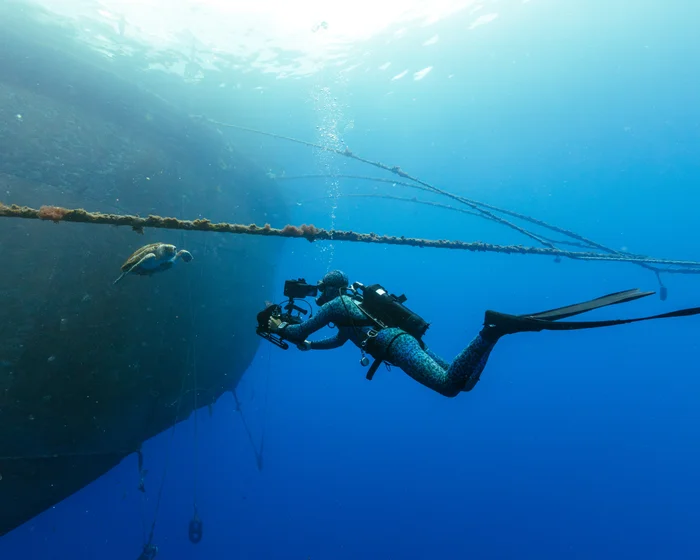
The new series, which is set to return with more animal behavior and cutting-edge technology, including the world’s first underwater CCTV camera, known as the ‘stonefish’ cam, aims to provide a more organic and genuine viewing experience.
The ‘stonefish’ cam, designed to blend into the marine environment, will capture detailed and unaltered footage of marine life, further emphasizing the commitment to authenticity.
By incorporating these less polished shots, the producers hope to maintain the trust of their audience and ensure that the content remains a true reflection of the natural world.
The use of such technology and filming techniques underscores the ongoing efforts to preserve the integrity of nature documentaries in an era where AI and digital manipulation are increasingly prevalent.
As the world continues to grapple with the implications of AI in media, Blue Planet III stands as a testament to the enduring importance of authenticity in storytelling.