
Key Takeaways
- Satellite images show mangroves and tidal creeks near Mai Kolachi Bypass have declined significantly over 25 years.
- Mangroves provide natural protection against storm surges, coastal erosion, and flooding.
- Government must act urgently to protect remaining mangroves and restore degraded wetlands.
Satellite images released by the Space and Upper Atmosphere Research Commission (Suparco) reveal a stark transformation of Karachi’s coastline, with mangrove forests and natural tidal creeks giving way to urban development over the past 25 years.
The images, comparing the coastal zone near the Mai Kolachi Bypass in 2000 and 2025, highlight the loss of these vital ecosystems, which act as natural barriers against storm surges and coastal erosion.
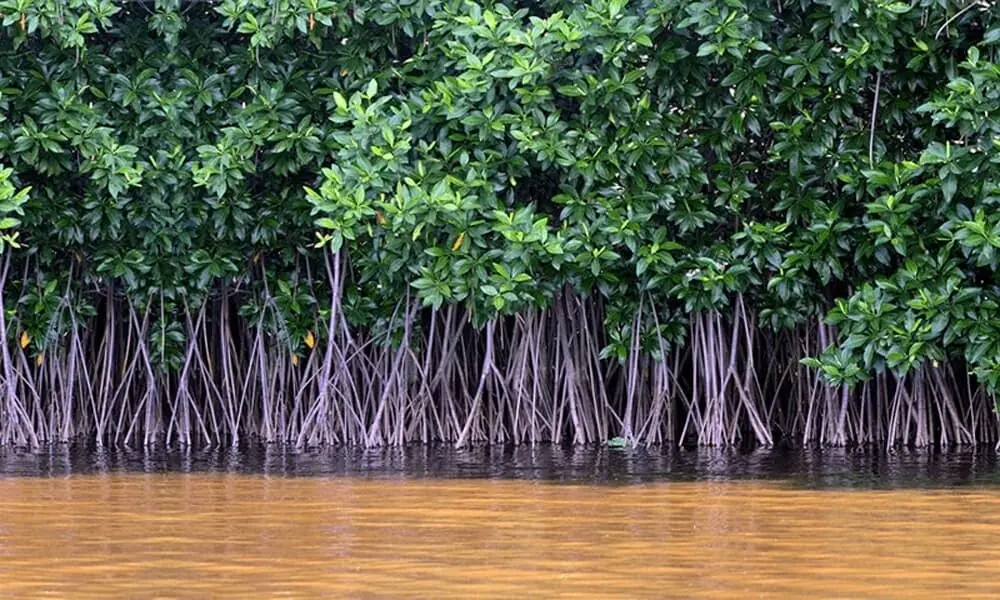
Mangroves are crucial for mitigating flooding, absorbing carbon dioxide, trapping sediments, and providing habitats for fish, birds, and other wildlife.
The loss of these natural defences has left Karachi more vulnerable to climate-related hazards, as the city has repeatedly experienced urban flooding during intense monsoon rains.
The consequences extend beyond environmental degradation, affecting coastal communities, fishing livelihoods, public infrastructure, and urban assets.
Unlike rigid infrastructure, healthy mangrove ecosystems can regenerate and adapt to changing environmental conditions, making them essential natural climate infrastructure.
The federal and Sindh governments must act without delay to protect remaining mangroves and restore degraded wetlands.
All coastal development projects should undergo rigorous and transparent environmental impact assessments, with particular attention to their cumulative effects on mangroves, tidal creeks, and wetlands.
Illegal encroachments and unauthorised reclamation must be curbed through effective enforcement, while existing violations should be investigated and addressed.
Satellite-based monitoring can help authorities track changes in land cover, identify encroachments, and make environmental data publicly accessible.
Encouragingly, Suparco’s observations from the Shah Bandar region of Sujawal indicate a 115 per cent increase in mangrove forest cover compared with the 2019 baseline, offering a promising example of the potential for ecological restoration.