Key Takeaways
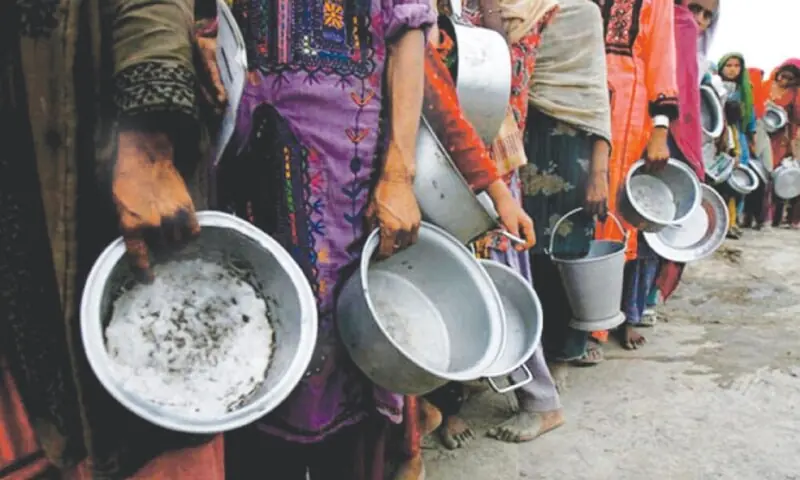
- Pakistan accounts for nearly half of the Middle East, North Africa, and Afghanistan-Pakistan region’s people living in extreme poverty.
- Repeated crises such as floods, inflation, and economic uncertainty have exacerbated poverty, leaving families with fewer resources.
- The government must focus on identifying vulnerable families and implementing early-warning systems to prevent further economic hardship.
Pakistan's contribution to the rising poverty rates in the Middle East, North Africa, and the Afghanistan-Pakistan region is a cause for concern, according to the World Bank. The country accounts for nearly half of the region's people living in extreme poverty.
Millions of Pakistanis have faced a series of challenges, including the pandemic, deadly floods, soaring inflation, and years of economic uncertainty. Each crisis has left lasting damage, often leaving families with no choice but to sell livestock, borrow money, or withdraw children from school to save expenses.
Even when prices stabilize and incomes improve, the losses are not easily reversed. A farmer who has sold his animals or a small trader who has closed his business cannot simply resume earning a livelihood. This explains why poverty can continue to rise even as the wider economy shows signs of recovery.
The government must go beyond providing relief after disaster strikes. It needs to identify families at greatest risk, strengthen early-warning and disaster-response systems, protect farming livelihoods, and ensure that financial help reaches vulnerable households before they are forced into desperate choices.
Keeping children in school and preventing families from losing their means of earning a living must also be priorities. Poverty reduction cannot succeed if every new crisis pushes people back into hardship. Pakistan must protect the fragile gains its poorest citizens manage to make.
The World Bank has warned that the conflict involving Iran could push up fuel and commodity prices, weaken remittances, and increase borrowing costs. Adverse weather could also drive up food prices and hurt agricultural livelihoods. For households still struggling with the effects of earlier shocks, another spell of inflation could prove devastating.