Key Takeaways
- IAEA’s IPPAS mission concludes Pakistan’s nuclear security regime is robust.
- Recommendations provided to enhance security measures and procedures.
- Visit included observation of decommissioning activities at Karachi Nuclear Power Generating Station.
Pakistan’s nuclear security regime has been deemed robust following a comprehensive 12-day review by an International Atomic Energy Agency (IAEA) team. The mission, part of the IAEA’s International Physical Protection Advisory Service (IPPAS), evaluated the country’s legislative and regulatory framework for nuclear security, covering both nuclear materials and facilities.
The seven-member team, led by Khammar Mrabit, a former director general of the Moroccan Agency for Nuclear and Radiological Safety and Security, concluded that the security framework was appropriately implemented at the specific nuclear facility visited. The mission noted that Pakistan’s well-established capacity-building infrastructure actively benefits national, regional, and international expertise in nuclear security.
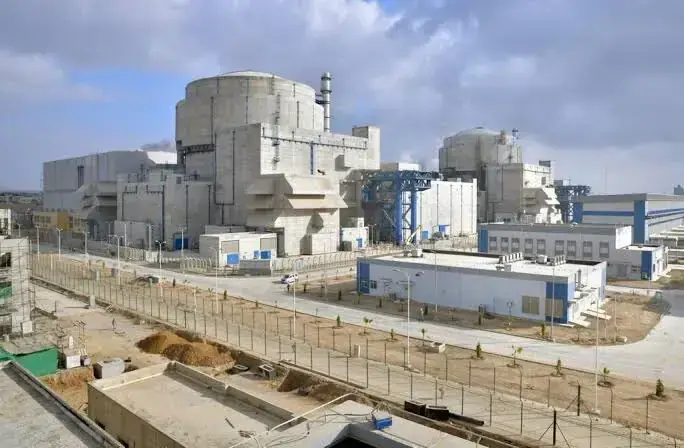
During the mission, the team met with officials from the Pakistan Nuclear Regulatory Authority (PNRA), the Pakistan Atomic Energy Commission, and other relevant national stakeholders. They also visited the Kanupp Decommissioning Project at the Karachi Nuclear Power Generating Station, Pakistan’s first nuclear power plant, which operated from 1971 until its permanent shutdown in 2021.
The IPPAS mission aimed to assist Pakistan in strengthening its national nuclear security regime. Zia Hussain Shah, chairman of the PNRA, stated, 'Hosting the IPPAS mission underscores Pakistan’s unwavering commitment to maintaining a robust nuclear security regime across facilities and activities.'
Karine Herviou, IAEA deputy director general and head of the Department of Nuclear Safety and Security, said, 'The first IPPAS mission in Pakistan is completed successfully, marking the country’s commitment in further enhancing regulatory and operational aspects of its well-established nuclear security regime.'
The mission provided several good practices identified at both regulatory and facility levels. The team also offered recommendations aimed at further enhancing Pakistan’s nuclear security regime and its associated procedures. These recommendations will be crucial in ensuring the continuous improvement of the country’s nuclear security measures.
Pakistan is a party to the Convention on the Physical Protection of Nuclear Material and ratified its 2005 amendment. The successful completion of this review is a significant step in maintaining the country’s commitment to nuclear safety and security.
The visit to the Kanupp Decommissioning Project allowed the team to observe ongoing decommissioning activities and spent fuel storage, providing valuable insights into the practical implementation of nuclear security measures in Pakistan.
The first IPPAS mission in Pakistan is completed successfully, marking the country’s commitment in further enhancing regulatory and operational aspects of its well-established nuclear security regime.
Karine Herviou, IAEA deputy director general and head of the Department of Nuclear Safety and Security
Hosting the IPPAS mission underscores Pakistan’s unwavering commitment to maintaining a robust nuclear security regime across facilities and activities.
Zia Hussain Shah, Chairman of the Pakistan Nuclear Regulatory Authority