Key Takeaways
- The prolonged absence of a new automobile policy is causing concern.
- Ordinary car buyers continue to bear the full tax burden, while NEVs enjoy preferential treatment.
- Critics argue that public resources are not being allocated fairly.
Pakistan’s ongoing delay in announcing a new automobile policy has sparked concerns among industry experts and ordinary consumers. Following the expiry of the previous policy on 30 June 2026, there remains no clear roadmap for future automotive taxation and incentives.
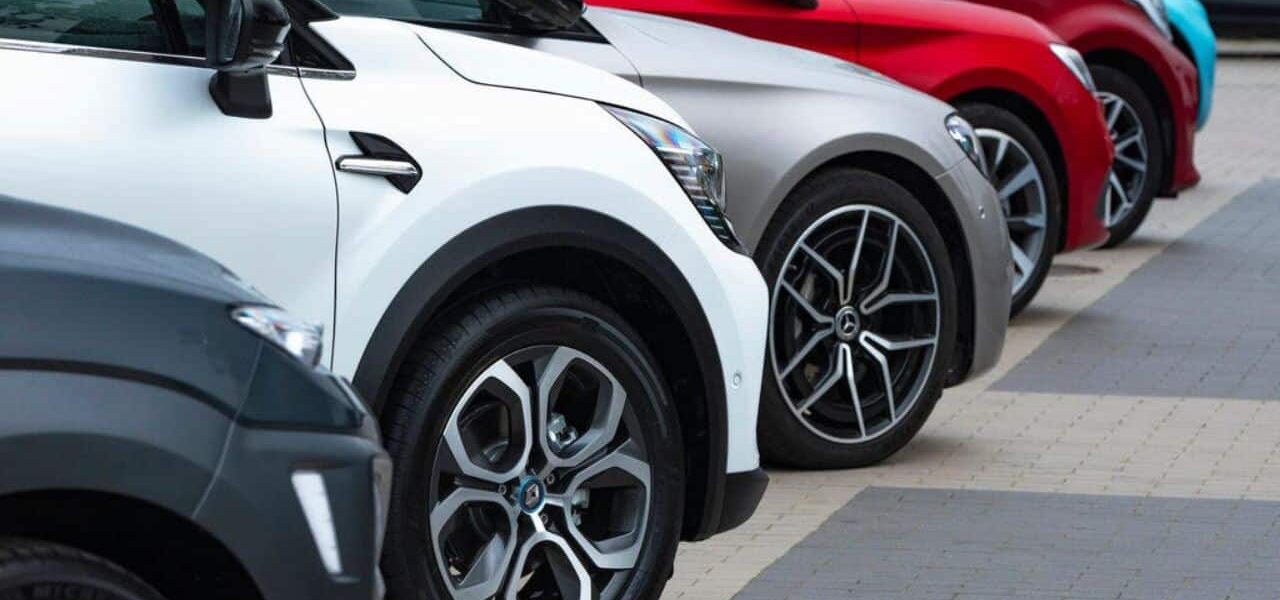
The current situation sees entry-level vehicles such as the Suzuki Alto (priced between PKR 2.99 million and PKR 3.33 million) and Suzuki Cultus (PKR 4.09 million to PKR 4.59 million) bearing a heavy tax burden, including General Sales Tax (GST), climate/NEV adoption levy, and higher withholding taxes for non-filers.
In contrast, new-energy vehicles like the Deepal, priced around PKR 10 million, attract minimal sales tax, with no Federal Excise Duty or NEV levy applied. This disparity highlights a significant imbalance in how public resources are being allocated, favoring premium green mobility over affordable transportation for the broader population.
According to industry sources, the absence of a new policy has created a vacuum that competing interest groups are attempting to influence. One source stated, 'The IMF is calling for fiscal discipline and the removal of untargeted subsidies, yet ordinary Pakistanis continue to pay full taxes on basic hatchbacks while expensive new-energy vehicles enjoy preferential treatment.'
Critics argue that these incentives disproportionately benefit premium vehicles, many priced at PKR 10 million or more, primarily serving affluent consumers. The Suzuki Alto, for instance, attracts approximately PKR 543,000 in combined Sales Tax, Federal Excise Duty and NEV levy, a tax burden of roughly 18 percent of the vehicle’s price.
In contrast, the Deepal, priced at around PKR 10 million, incurs only around PKR 100,000 in sales tax, with no FED and no NEV levy applied, representing a mere 1 percent burden. This disparity is stark, as a buyer of Pakistan’s cheapest hatchback pays more than five times the tax of a buyer of a vehicle over three times its price.
With no clear timeline for the announcement of a new automobile policy, uncertainty continues to weigh on the industry. At the same time, criticism is growing that the government’s current approach appears to favor premium green mobility over affordable transportation for the broader population.
The writer, Khawar Azhar, a Communication Expert with more than 25 years of experience and a car enthusiast, highlights the need for equitable allocation of public resources. He states, 'It raises a fundamental question: are scarce public resources, supported by IMF financing, being allocated in a fair and equitable manner?'
'The IMF is calling for fiscal discipline and the removal of untargeted subsidies, yet ordinary Pakistanis continue to pay full taxes on basic hatchbacks while expensive new-energy vehicles enjoy preferential treatment.'
Industry source
'It raises a fundamental question: are scarce public resources, supported by IMF financing, being allocated in a fair and equitable manner?'
Khawar Azhar, Communication Expert