Key Takeaways
- Half of England and all of Wales are officially in drought.
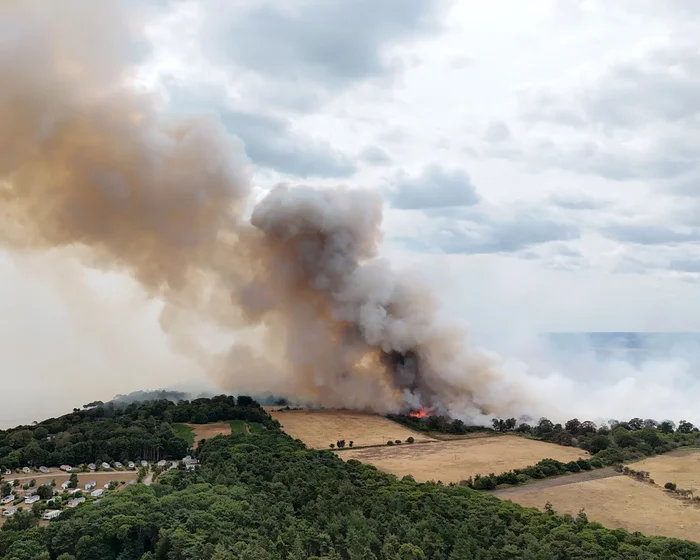
- Wildfires have burned through parts of the UK, affecting various regions.
- Farmers warn of potential food shortages due to extreme weather conditions.
A severe drought is currently gripping large swathes of Britain, with half of England and all of Wales officially declared in a state of drought. This development has raised significant concerns about the impact of climate change on the country’s water resources.
The situation has been exacerbated by recent wildfires that have ravaged parts of the UK, including the Cairngorms, Suffolk, and the Isle of Wight. These fires pose not only an environmental threat but also a challenge for firefighters who must make difficult decisions about which areas to prioritize in their efforts to contain the blaze.
The Royal Horticultural Society has taken steps to mitigate the effects of the drought by considering moving its hydrangeas to more suitable locations. This move underscores the severity of the water shortage and the need for proactive measures to protect plants and gardens across the country.
Farmers are particularly worried about potential food shortages as a result of this ongoing drought. With reservoirs running low, there is growing uncertainty about crop yields and overall agricultural productivity. The situation has led many farmers to seek alternative sources of water or explore more resilient crops that can withstand drier conditions.
The climate crisis continues to supercharge extreme weather events in Europe, with the UK experiencing some of its harshest summer conditions in recent memory. Many Britons are now asking when it will rain, a question rarely associated with British summertime. The Guardian has been closely monitoring how these weather patterns are impacting various sectors, from agriculture to public health.
The drought and resulting wildfires have also highlighted the urgent need for more robust climate action policies. As politicians grapple with the implications of this extreme weather, there is increasing pressure to implement measures that can mitigate future risks and protect vulnerable communities.
In response to these challenges, the Royal Horticultural Society has taken proactive steps to adapt to changing conditions. The organization’s decision to relocate certain plants demonstrates a commitment to finding solutions in the face of climate change. However, broader societal changes will be necessary to address the root causes of such severe weather events.