Key Takeaways
- Pakistan has reopened the Gabd-Rimdan border crossing with Iran.
- Trucks and commercial consignments are now allowed to move in both directions.
- The reopening is expected to ease LPG shortages and reduce energy prices.
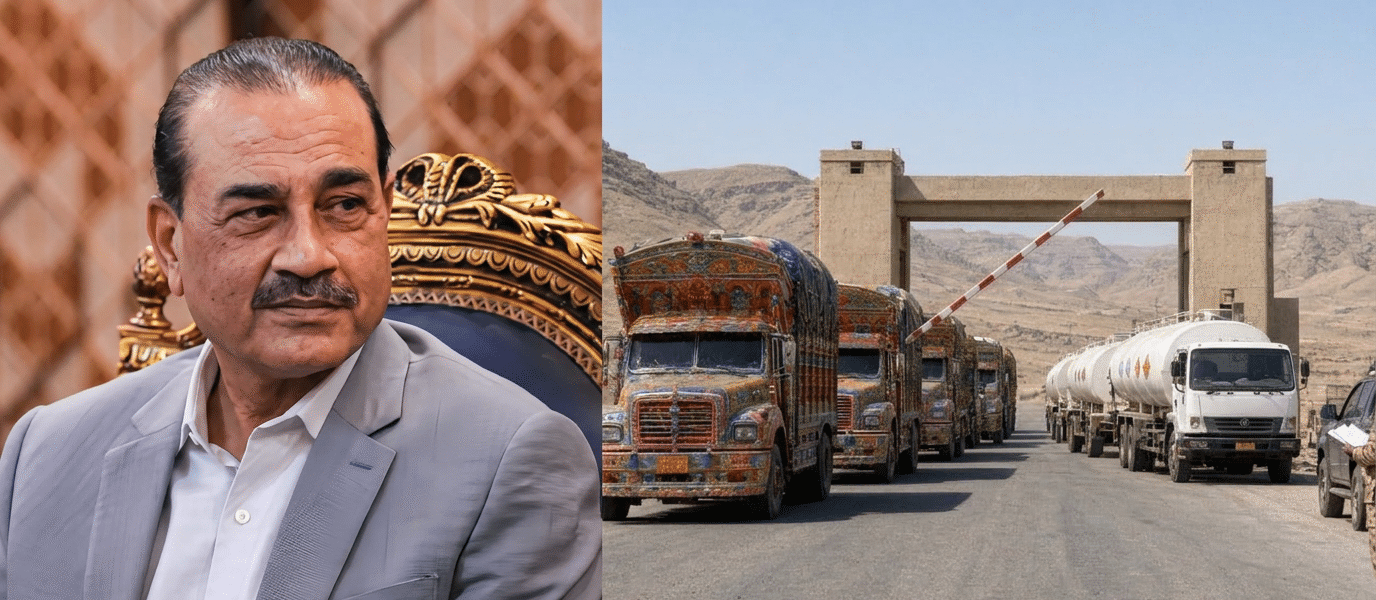
Pakistan has reopened its Gabd-Rimdan border crossing with Iran, ending a week-long halt to trade that had left trucks stranded.
Trade resumed on Saturday morning at the crossing in Gwadar district, also known as Gate 250, following Field Marshal Asim Munir’s visit to Tehran.
Mir Naveed Jan Kalmati, President of the Gwadar Chamber of Commerce and Industry, confirmed the reopening, stating that trucks and other vehicles are now allowed to move in both directions with import and export goods.
The Ministry of Commerce had suspended trade at the Gabd-Rimdan and Taftan crossings on October 17, but did not provide a reason for the halt.
Local authorities reviewed the security situation before allowing trade to restart, and additional forces have now been deployed to protect trade convoys.
The reopening is expected to bring immediate relief to traders and transporters who had been stuck on both sides of the border.
It is anticipated that the restored supplies will help ease the LPG shortage in the country and bring down rising energy and food prices.
Demand for LPG usually rises in winter, and the fuel is among the goods that come in through the Iran border.
Pakistan and Iran share a 909-km border between Balochistan and Iran’s Sistan and Baluchestan province, making the reopening significant for regional trade.