Key Takeaways
- The State Bank of Pakistan (SBP) raised the key policy rate by 50 basis points to 12%.
- Nine out of ten MPC members supported the rate hike, citing inflation and global oil prices.
- The central bank expects inflation to remain between 0% and 1% of GDP, despite external pressures.
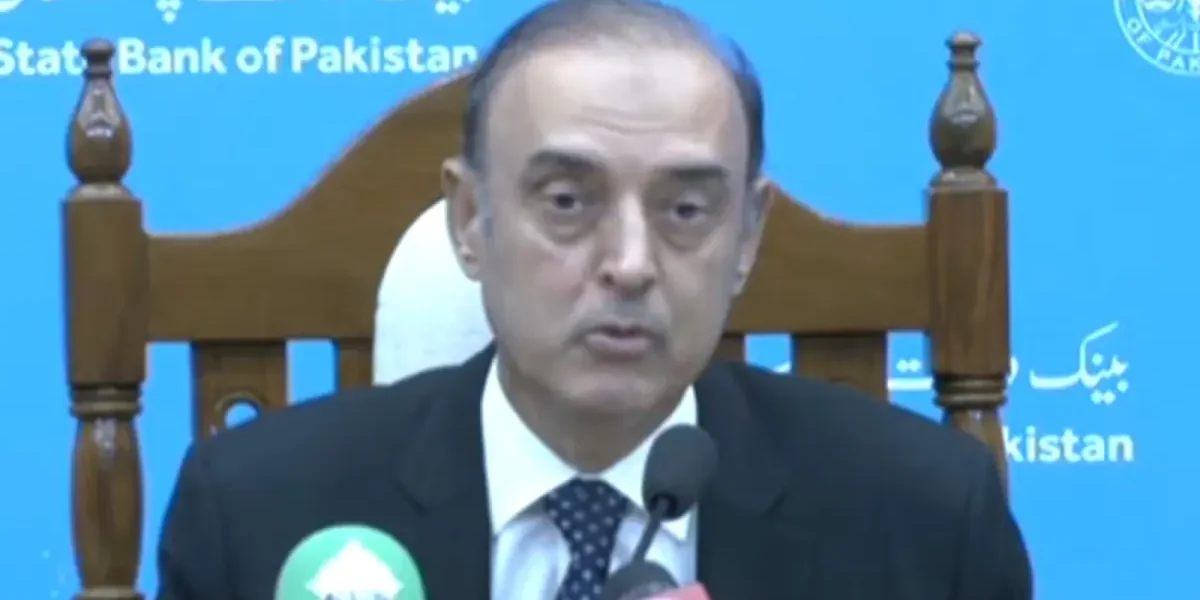
The State Bank of Pakistan (SBP) has raised the key policy rate by 50 basis points to 12%, according to a press conference held in Karachi. Governor Jameel Ahmed, addressing the media, highlighted the decision as a response to mounting inflationary pressures and geopolitical uncertainties.
Ahmed stated that the Monetary Policy Committee (MPC) had met and reviewed the situation since the last meeting in September. He noted that the decision was supported by nine out of ten MPC members, while one member preferred a higher rate increase.
The governor cited the US-Israel war on Iran and its impact on energy and oil prices as a significant factor. He also mentioned the developments in the domestic market, which have contributed to the inflation outlook. Ahmed emphasized that consumer expectations and other forecasters' views were considered, along with macroeconomic factors such as the impact of global commodity and oil prices on the external account and the impact of remittances and export trends.
The SBP governor shared that the central bank had revised its outlook on remittances from $44 billion to $45 billion. On exports, Ahmed noted an improvement in the trend but stated that it was not yet in line with the economy’s needs. He added that the bank estimated imports to be close to $71 billion.
Ahmed also discussed the growth outlook, revising the estimate from 3.7% to 2% for the last quarter of the last fiscal year, mainly due to the Middle East situation. He noted that the impact of the current account deterioration was still between zero and one per cent of GDP and would remain within that range.
In its detailed statement, the MPC acknowledged the elevated levels of global energy prices due to tensions in the Middle East. The statement noted that while the impact on the domestic economy had remained contained so far, geopolitical developments had worsened the inflation outlook. The committee emphasized the necessity of raising the rate to keep inflation expectations anchored, contain second-round effects of the ongoing supply shock, and bring inflation within the target range of five to seven per cent.
Topline Securities stated that the central bank had raised the policy rate in line with their expectations. Previously, the policy rate was 11.5%, and the SBP had held the rate steady since raising it by 100 basis points in April in response to rising global energy prices and supply chain risks. The SBP has cut the key rate by a cumulative 1,050 basis points since mid-2024, from a record 22% reached in 2024.
The central bank expects the current account deficit to remain between 0% and 1% of GDP, despite the pressures from global commodity and oil prices. Workers' remittances are expected to improve, according to the governor.
While the impact of this global shock on the domestic economy has remained contained so far amidst proactive monetary policy adjustment and continued fiscal discipline, geopolitical developments have worsened the inflation outlook as compared to the earlier assessment.
MPC statement, Monetary Policy Committee
The good thing is that its impact is still between zero and one per cent of GDP, and it will stay between that.
Jameel Ahmed, SBP Governor