
Key Takeaways
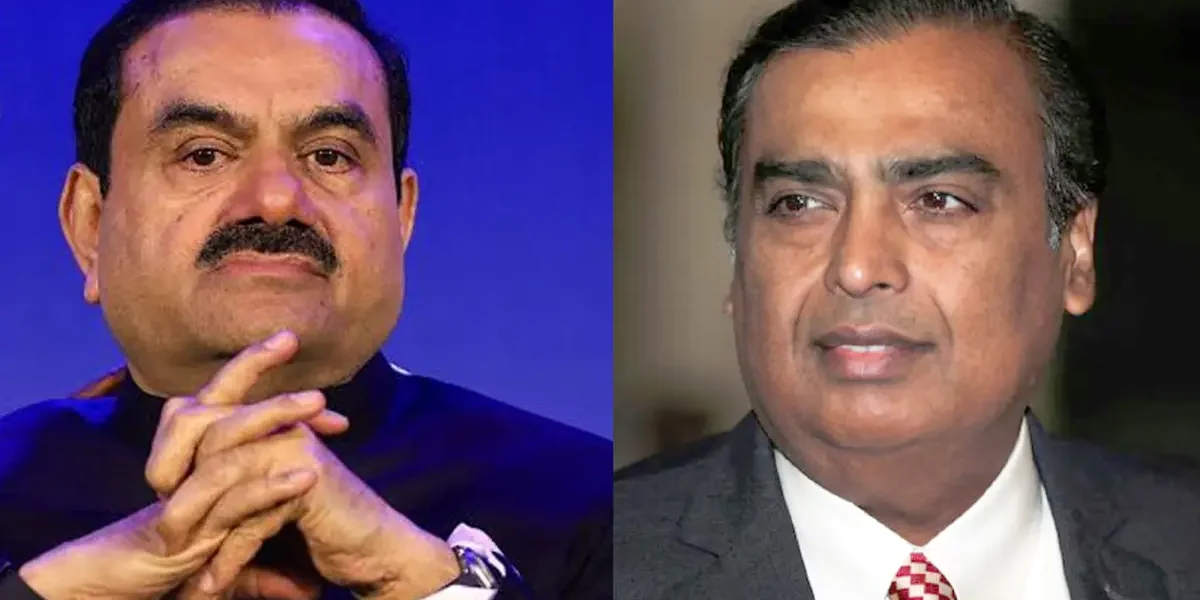
- A group of 21 news publishers, including companies owned by Mukesh Ambani and Gautam Adani, have challenged India’s privacy law in court.
- The law, set to take effect in 2027, is seen as an invasion of press freedom and could force journalists to get prior consent from sources.
- The challenge marks an unusual opposition from businesses close to Prime Minister Modi, raising concerns over press freedom in India.
A coalition of 21 prominent Indian media outlets, including those owned by billionaire industrialists Mukesh Ambani and Gautam Adani, has challenged India’s new privacy law in the Supreme Court. The challenge, filed on October 6, is the most high-profile legal action against the law, which was announced last year to protect digital personal data.
The privacy law, set to come into effect in May 2027, requires media outlets to obtain consent from individuals before publishing their personal data. This provision is seen as a significant threat to investigative journalism, as it could force journalists to seek prior approval from sources, potentially exposing their work to censorship.
The Indian Digital News Publishers Association (DNPA) has filed a 698-page legal filing, arguing that the law could render investigative journalism ineffective. The group claims that the law’s provisions could force publishers to erase stories and expose reporters’ sources, thereby undermining press freedom.
The challenge comes amid growing concerns over press freedom in India. Since Prime Minister Narendra Modi took office in 2014, there have been accusations of declining press freedom. Critics argue that many mainstream media outlets have not adequately scrutinized the government’s actions.
The media groups argue that the law is an invasion of press freedom and could render investigative journalism ineffective. They contend that the law’s provisions could force journalists to seek prior consent from individuals before publishing their data, thereby exposing their sources and potentially censoring their work.
The challenge is particularly significant because it comes from media giants that are typically close to the government. This has raised questions about the government’s commitment to press freedom and the potential for bias in media regulation.
The government has denied accusations of declining press freedom and maintains that India has a vibrant press and media ecosystem. However, the challenge from such influential media groups highlights the growing tensions between the government and the media.
The legal challenge is expected to be heard in court on Tuesday, with the outcome potentially setting a precedent for media regulation in India. The case could have far-reaching implications for the future of journalism and press freedom in the country.