Key Takeaways
- Pakistan has extended the airspace ban on Indian-registered aircraft until October 24, 2026.
- The restriction has been in place since 2025 following the Pahalgam attack in IIOJK.
- Indian airlines are forced to use alternative routes, increasing costs and flight times.
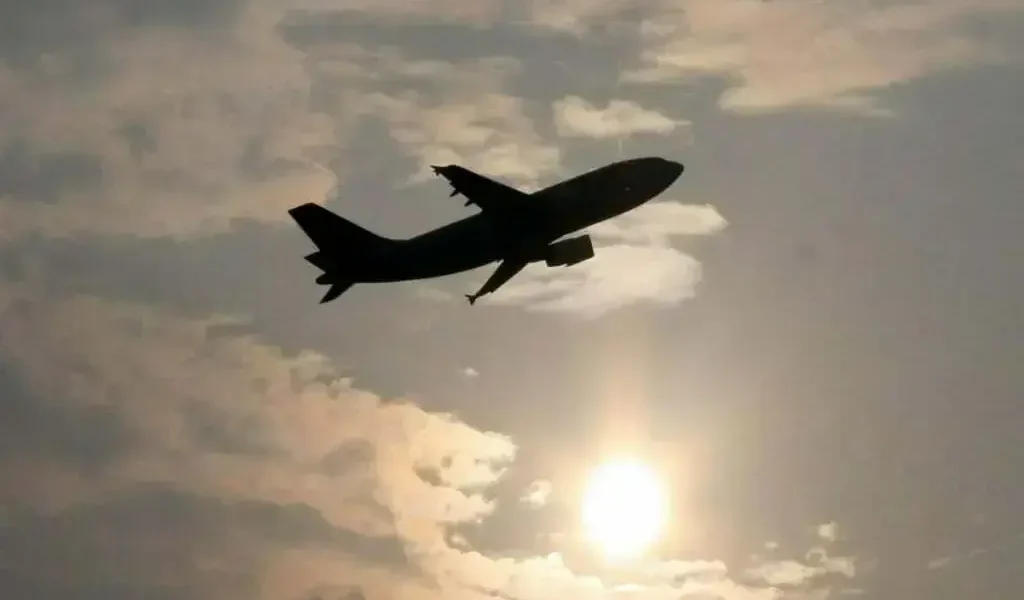
Pakistan has extended the airspace ban on Indian-registered aircraft until October 24, 2026, according to a notification issued on Wednesday. The restriction, initially imposed in 2025 following the Pahalgam attack in Indian Illegally Occupied Jammu and Kashmir (IIOJK), has been extended multiple times.
The ban affects Indian-registered aircraft and those operated, owned, or leased by Indian airlines, including military flights. This decision comes amid ongoing tensions between the two countries.
The extension is expected to continue the financial burden on Indian airlines, which have been compelled to use alternative routes. These routes typically add to flight time and fuel costs, impacting operations between India and destinations in Europe, the Middle East, and Central Asia.
Last month, Pakistan had extended the ban from using its airspace until September 24, 2026, indicating a continued commitment to maintaining the restriction.
The ban has significant implications for the aviation industry, affecting both commercial and military operations. It highlights the ongoing geopolitical tensions between Pakistan and India, particularly in the context of the disputed region of Jammu and Kashmir.
While the exact reasons for the extension are not detailed in the notification, the continued ban suggests that Pakistan is unlikely to lift the restriction in the near future, pending any changes in the political landscape.
The extension is part of a broader strategy by Pakistan to assert its sovereignty and respond to perceived provocations from India, particularly in the disputed territories.
The decision has been met with criticism from the Indian aviation industry, which has called for a resolution to the issue to reduce costs and improve efficiency.
The ban has also had broader economic implications, affecting trade and travel between the two countries, and highlighting the challenges in maintaining regional cooperation.