Key Takeaways
- Over 12,000 BISP beneficiaries have registered for the Hybrid Social Protection Scheme (HSPS) through JazzCash.
- The scheme encourages savings and provides government and company contributions to beneficiaries.
- Participants can save PKR 1,500 or PKR 3,000 each quarter, with a two-year savings period.
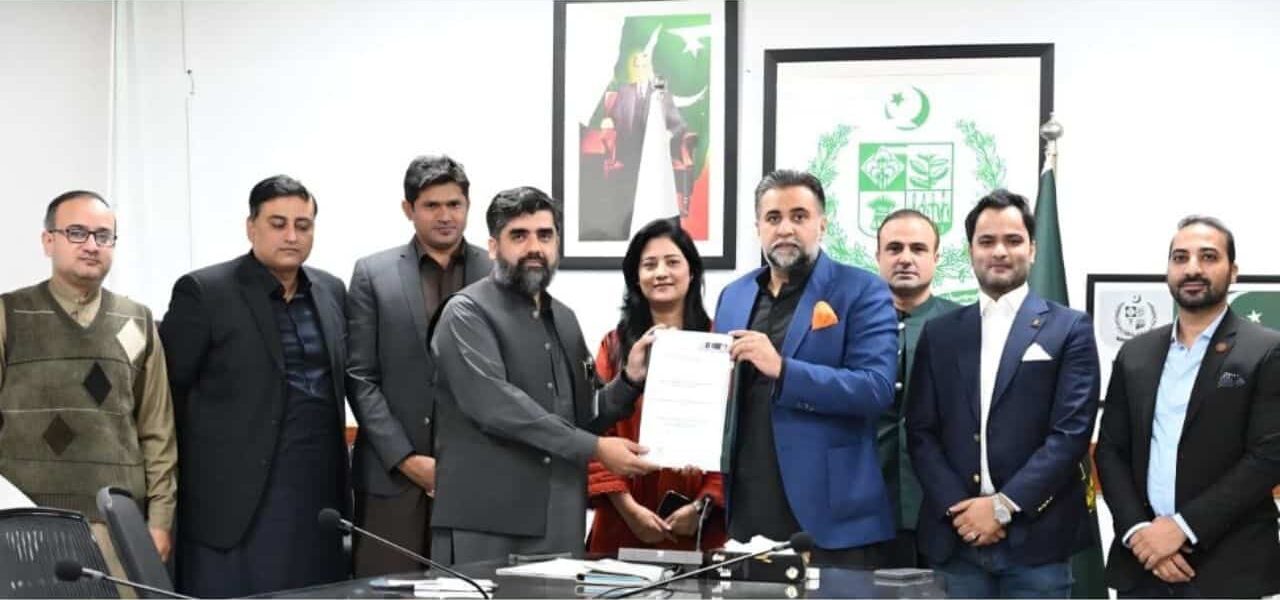
More than 12,000 beneficiaries of the Benazir Income Support Programme (BISP) have registered for the Hybrid Social Protection Scheme (HSPS) through JazzCash, marking a significant milestone in financial inclusion efforts in Pakistan.
The programme, part of BISP’s World Bank-funded Crisis Resilient Social Protection (CRISP) Programme, aims to help low-income households develop a habit of saving and strengthen their financial security.
Beneficiaries can opt-in to HSPS when collecting payments at their respective BISP Tehsil offices. Agents explain the voluntary savings programme, and where a beneficiary chooses to participate, their consent is recorded and the enrolment is completed through the HSPS application.
Through the scheme, beneficiaries can deposit savings into their JazzCash wallets. The Government matches 40% of their quarterly savings, complemented by an additional 2% contribution from JazzCash.
Eligibility for the programme is determined through BISP’s National Socio-Economic Registry, ensuring that only those in need are enrolled.
Participants can save PKR 1,500 or PKR 3,000 each quarter, either as a single payment or through smaller instalments. Savings are held for two years, together with the contributions made by the Government and JazzCash, and can then be withdrawn to help beneficiaries manage unexpected expenses.
Arif Mahmood Chaudhary, Head of Public Sector Partnerships at JazzCash, stated: 'HSPS demonstrates the impact that public-private collaboration can create in advancing financial inclusion. By combining BISP’s social protection mandate with JazzCash’s digital infrastructure, we are enabling underserved households to build savings habits and strengthen their financial resilience.'
The programme aims to make formal savings part of everyday financial life, particularly for deserving women and transgenders, helping them move beyond short-term assistance towards lasting resilience and more meaningful participation in Pakistan’s formal economy.
HSPS demonstrates the impact that public-private collaboration can create in advancing financial inclusion. By combining BISP’s social protection mandate with JazzCash’s digital infrastructure, we are enabling underserved households to build savings habits and strengthen their financial resilience.
Arif Mahmood Chaudhary, Head of Public Sector Partnerships at JazzCash