Key Takeaways
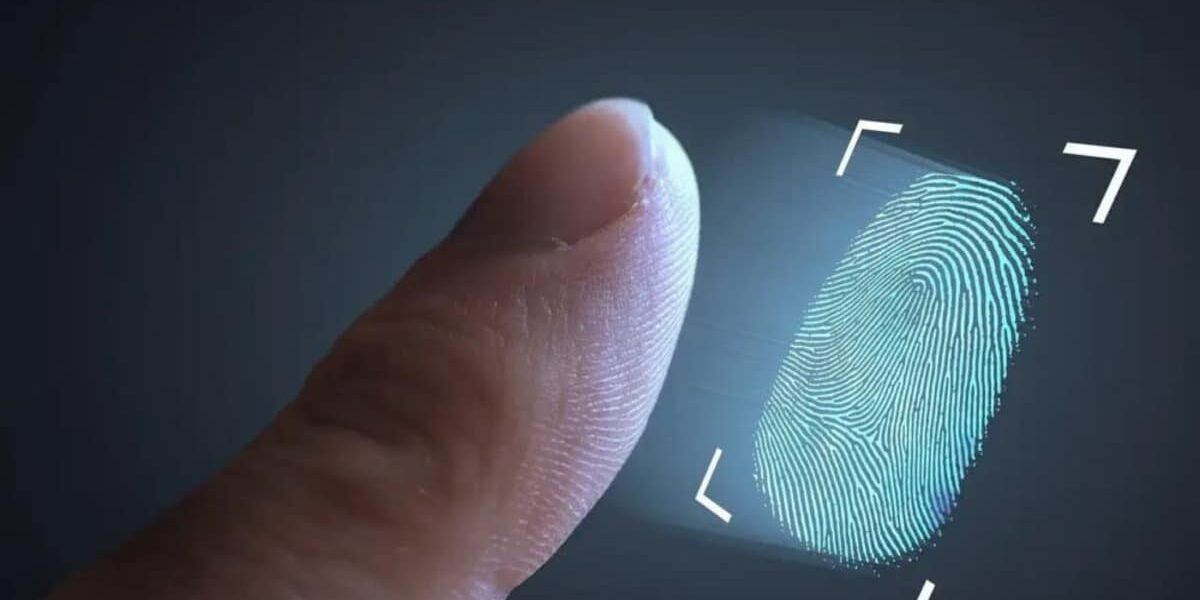
- The National Cyber Crime Investigation Agency (NCCIA) recovered biometric data of 600,000 citizens in a single raid.
- Stolen data and SIMs are being used for financial fraud, according to NCCIA officials.
- Telecom companies have blocked 18 million fake SIMs and fined them Rs4.5 billion.
The National Cyber Crime Investigation Agency (NCCIA) has seized biometric data of 600,000 citizens in a significant cybercrime raid, according to officials. The agency also recovered 195 active mobile SIMs, 16 smartphones, and 81 ATM cards from one person arrested in Faisalabad.
During the committee meeting, an NCCIA director highlighted that the stolen biometric information and recovered SIMs are being used to carry out financial fraud against citizens. The Pakistan Telecommunication Authority (PTA) chairman acknowledged that officials working for mobile companies are involved in data leaks.
The PTA chairman cited the case of a woman in Rajanpur whose thumb impression was taken on the pretext of providing her with ration. The biometric data was later used in terrorism, highlighting the severity of the issue.
To combat the issue, authorities have blocked 18 million fake SIMs issued in other people’s names. Telecom companies have also been fined a total of Rs4.5 billion over the issue, according to the PTA chairman.
Chairman of the Standing Committee on Interior, Khurram Nawaz, informed that people continue to receive fraudulent calls every week from individuals pretending to represent courier companies. He also mentioned that WhatsApp accounts have been hacked, further emphasizing the widespread nature of cybercrime.
Minister of State for Interior, Talal Chaudhry, revealed that a 'Rent-a-Bank Account' scheme is operating in Pakistan. Under this scheme, people accept money in exchange for allowing others to use their bank accounts. Chaudhry stated that account holders are aware that they could spend around two months in jail if caught.
He added that they make arrangements in advance and take their share of the money before allowing their accounts to be used, indicating the sophistication of the illegal activities.
The recovery of such a large amount of biometric data and the ongoing financial fraud cases underscore the need for stringent measures and increased vigilance in protecting citizens' personal information.