Key Takeaways
- Federal Minister for Finance and Revenue Muhammad Aurangzeb outlined five key economic priorities.
- These include macroeconomic stability, investment-led growth, and structural reforms.
- Aurangzeb emphasized the need for export-led growth and improved productivity.
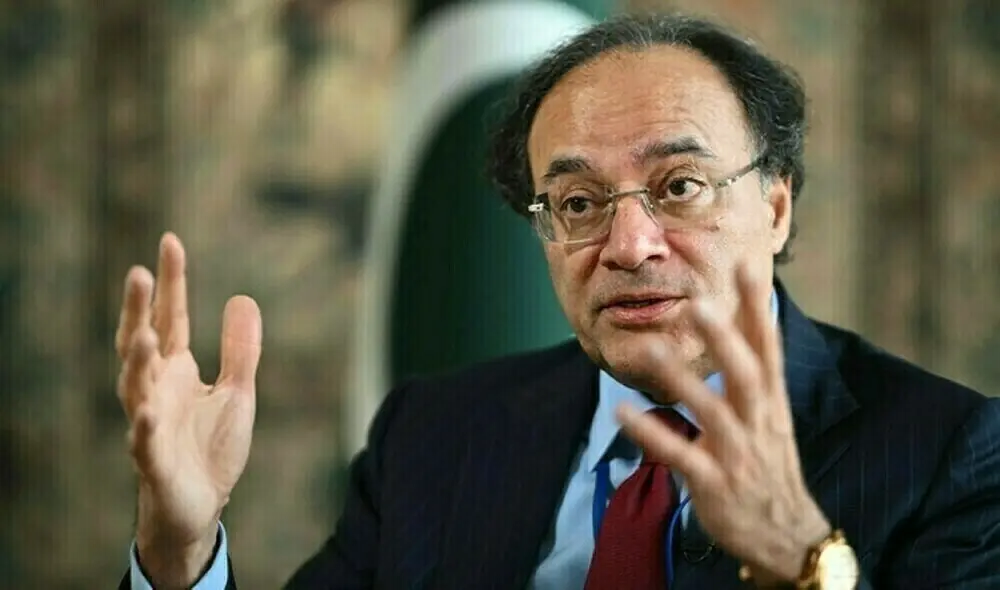
Federal Minister for Finance and Revenue Muhammad Aurangzeb outlined five key priorities for Pakistan’s economy at the 9th edition of the Leaders in Islamabad Business Summit (LIIBS) 2026, themed ‘The Next Move.’
The priorities include making macroeconomic stability permanent, shifting towards investment-, productivity-, and export-led growth, pursuing structural reforms, moving from aid to trade and investment, and positioning the country to benefit from the New Economy.
Aurangzeb stated that Pakistan’s economic position had improved, and the positive trajectory was continuing into the current fiscal year.
He highlighted that the government’s immediate objective was to build on macroeconomic stability and transition towards a sustainable and productive growth model, moving away from consumption-driven cycles.
The minister noted that large-scale manufacturing had shown improvement, while strong remittance inflows and continued growth in IT exports were supporting the country’s external account.
Aurangzeb stressed that permanence in macroeconomic stability remained central to Pakistan’s economic future, with adequate fiscal and external buffers necessary to withstand domestic and external pressures.
He mentioned that Pakistan’s GDP grew by around 3.7 percent during the last fiscal year, while the State Bank of Pakistan (SBP) has projected GDP growth of 3.5 to 4.5 percent for the current fiscal year.
The minister said the government had established a clear direction towards export-led economic growth and was taking measures to improve the competitiveness of traditional export sectors.
He highlighted that exporters were being provided refinancing at 4.5 percent, despite the policy rate standing at 11.5 percent, as part of efforts to support export competitiveness.
Aurangzeb emphasized the importance of providing the right ecosystem, connectivity, and data infrastructure to support sustainable growth.
The finance minister said the government was staying the course on structural reforms aimed at strengthening the foundations of the economy, improving productivity and competitiveness, and promoting private-sector-led growth.
He highlighted reforms in taxation, energy, state-owned enterprises (SOEs), and public finance.
On fiscal management, Aurangzeb said Rs8.2 trillion had been budgeted for debt servicing during the last fiscal year, while actual expenditure was Rs6.9 trillion.
He said reforms in public finance and domestic debt management were aimed at improving the efficiency of public resources and reducing financial risks.
On taxation, the minister said Federal Board of Revenue (FBR) revenues had increased by around 40 percent over the past couple of years, mainly through deepening the tax net, while further efforts were required to broaden the tax base.