Key Takeaways
- Over 72,000 migrants attempted to cross into Ceuta from Morocco.
- At least 88 people died during the crossing attempts.
- EU interior ministers meeting insisted that Schengen area was not at risk.
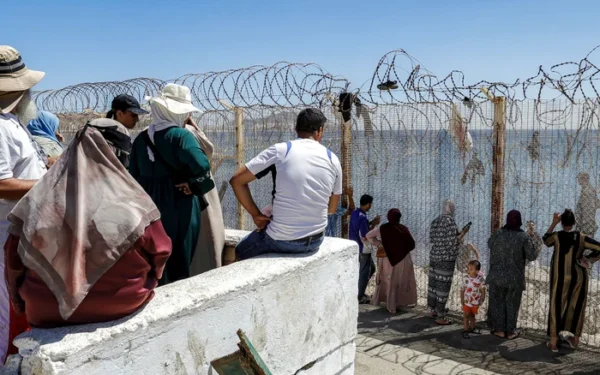
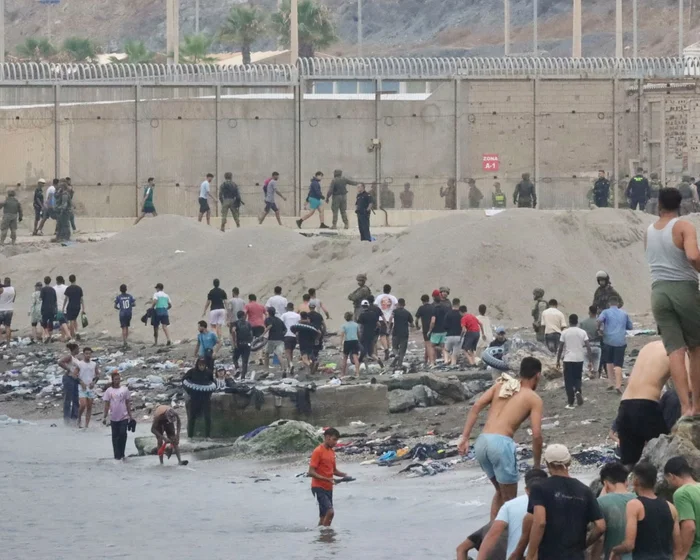
In a recent development, an estimated 72,000 migrants attempted to cross into Ceuta, a Spanish enclave on Morocco’s coast. Within 24 hours, the majority of these individuals had returned home.
Local officials reported that at least 88 people lost their lives during the crossing attempts, highlighting the dangers and risks involved in this perilous journey.
In response to the crisis, EU interior ministers convened an emergency meeting to address the situation. They emphasized that the passport-free Schengen area had not been compromised by the influx of migrants, aiming to reassure member states about their security.
The media coverage surrounding Ceuta has been characterized by misinformation and political opportunism, with some reports suggesting a territorial threat to Europe. This has led to calls for increased border security measures across the region.
Amidst the crisis, hundreds of people have gathered in Fnideq, a town near the Moroccan-Andalusian border, holding photos of their missing loved ones. They are hoping to track down individuals who may have crossed into Ceuta and not returned.
The situation in Ceuta has sparked discussions about the effectiveness of current immigration policies and the need for coordinated efforts between European countries to manage such crises.
Despite the scale of the event, EU officials maintained that there was no immediate threat to the Schengen area’s integrity. They emphasized the importance of maintaining open dialogue and cooperation among member states in addressing migration challenges.