Key Takeaways
- Hundreds of Moroccans have gathered near the border with Spain’s Ceuta, hoping to find their missing relatives.
- The mass crossing into Ceuta saw over 72,000 people make their way through a small stretch of land last week.
- A death toll from the mass crossing has reached nearly 100.
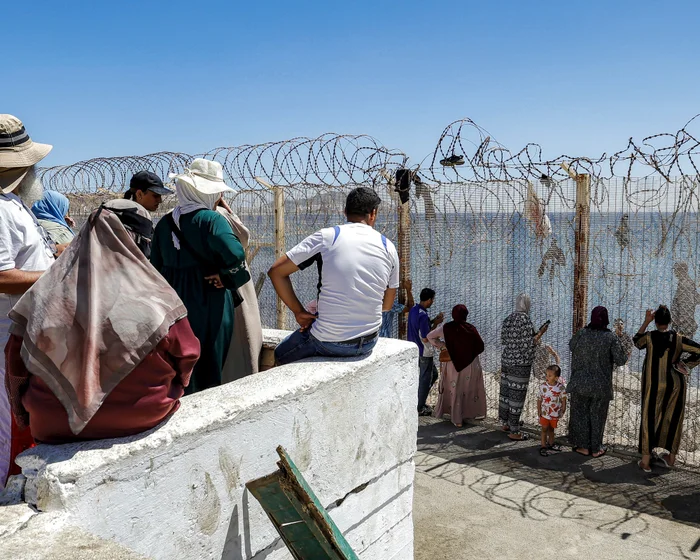
In the northern Moroccan town of Fnideq, hundreds of anxious Moroccans have gathered near the border with Spain’s Ceuta. They are holding photos of their missing loved ones, hoping to spot them among those who have returned or are still crossing.
The scene in Fnideq mirrors the extraordinary events that unfolded last week when approximately 72,000 people attempted to cross into Ceuta through a small stretch of land that became a focal point for international attention.
As the mass crossing continues, the death toll from those who have lost their lives during the perilous journey has approached 100. The Moroccan and Spanish authorities are working tirelessly to manage the situation and provide assistance to those in need.
The small tranche of land near Fnideq has become a makeshift gathering point for families and friends, each holding onto hope that they will see their loved ones among those who have managed to cross into Ceuta or are still making their way through.
Local residents describe the atmosphere as tense but hopeful. 'We came here with photos of our missing relatives, hoping against all odds that we might see them,' said a woman named Fatima, whose brother is among the missing.
The Moroccan government has been criticized for its handling of the situation, with some calling for more robust measures to ensure the safety and well-being of those attempting to cross into Ceuta. The Spanish authorities have also faced scrutiny over their response to the influx of people.
As the situation continues to unfold, both countries are under pressure to find a solution that balances humanitarian concerns with security needs. The international community is closely monitoring the situation, with calls for greater cooperation between Morocco and Spain to address the crisis.
The Moroccan authorities have set up temporary shelters and medical facilities in Fnideq to assist those who have been affected by the crossing. However, many families remain anxious about their loved ones' safety and whereabouts.