Key Takeaways
- The Securities and Exchange Commission of Pakistan (SECP) has established a high-level Working Group.
- The group aims to recommend regulatory, legal, and policy reforms for the corporate debt market.
- The initiative is part of efforts to diversify long-term financing avenues through capital markets.
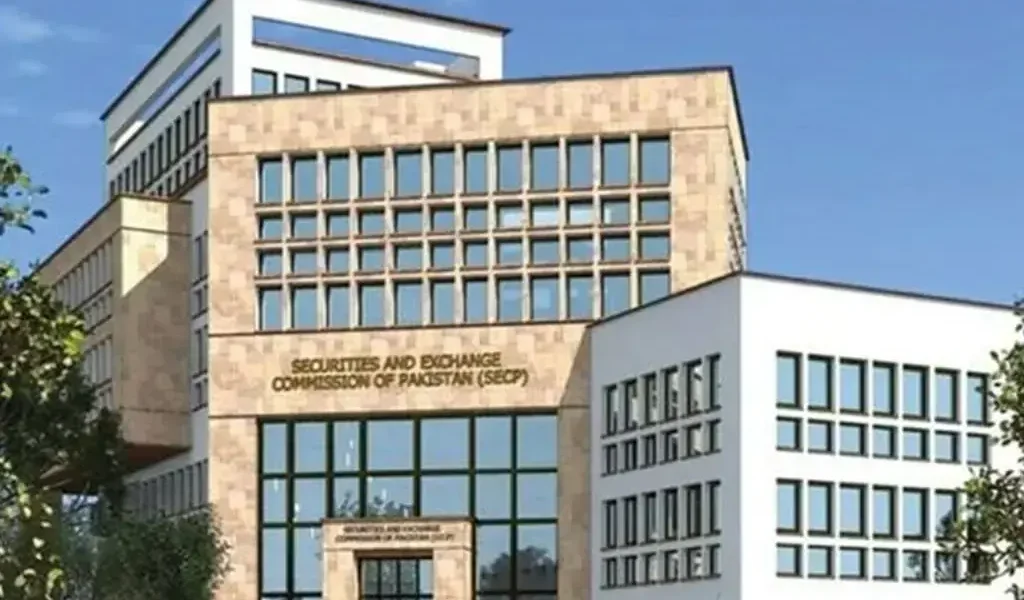
In an effort to strengthen Pakistan’s capital markets and expand long-term financing options for businesses, the Securities and Exchange Commission of Pakistan (SECP) has constituted a high-level Working Group. The group is tasked with undertaking a comprehensive review of the country's corporate debt market.
The initiative was launched on the guidance of Federal Minister for Finance, who identified the development of a robust corporate debt market as a national strategic priority. The minister emphasized the need to reduce Pakistan’s excessive dependence on conventional bank lending and create diversified long-term financing avenues through capital markets.
A well-developed corporate debt market is crucial for mobilizing long-term capital, financing infrastructure projects, diversifying funding sources for businesses, and broadening investment opportunities for institutional and retail investors. The Working Group will also aim to improve financial market resilience by enabling companies to raise funds directly from the capital markets through debt securities.
The Working Group, chaired by SECP Commissioner Muhammad Ali Farid Khawaja, comprises senior representatives from various institutions including the Ministry of Finance, Pakistan Stock Exchange (PSX), Central Depository Company (CDC), Infra Zamin Pakistan, leading investment banks and brokerage houses, commercial banks, credit rating agencies, legal experts, and other market participants.
The group will review existing credit rating frameworks to improve efficiency, transparency, and investor confidence. It will assess the impact of current rating requirements on issuance timelines, transaction costs, and market accessibility, while recommending measures to simplify rating processes and encourage innovation in rating products.
A comprehensive end-to-end review will be undertaken for both privately placed and publicly offered corporate debt securities. The Working Group will examine the time required at each stage of the issuance process and identify regulatory, legal, and operational bottlenecks. It will also evaluate the complete cost of issuing corporate debt, including regulatory fees, professional charges, listing expenses, taxation, and other transaction costs, and recommend measures to rationalize these expenses.
Recognizing the significant potential of Islamic finance, the Working Group will review the regulatory and Shariah framework governing Sukuk issuances. It aims to identify legal, Shariah, and operational impediments that contribute to higher issuance costs and longer transaction timelines, and recommend reforms to facilitate standardised Sukuk structures, improve market efficiency, and support the expansion of Pakistan’s Islamic corporate debt market.
The Working Group has been authorized to co-opt additional experts and institutions whenever required to support its work. It is tasked with submitting its report and recommendations within 45 days.