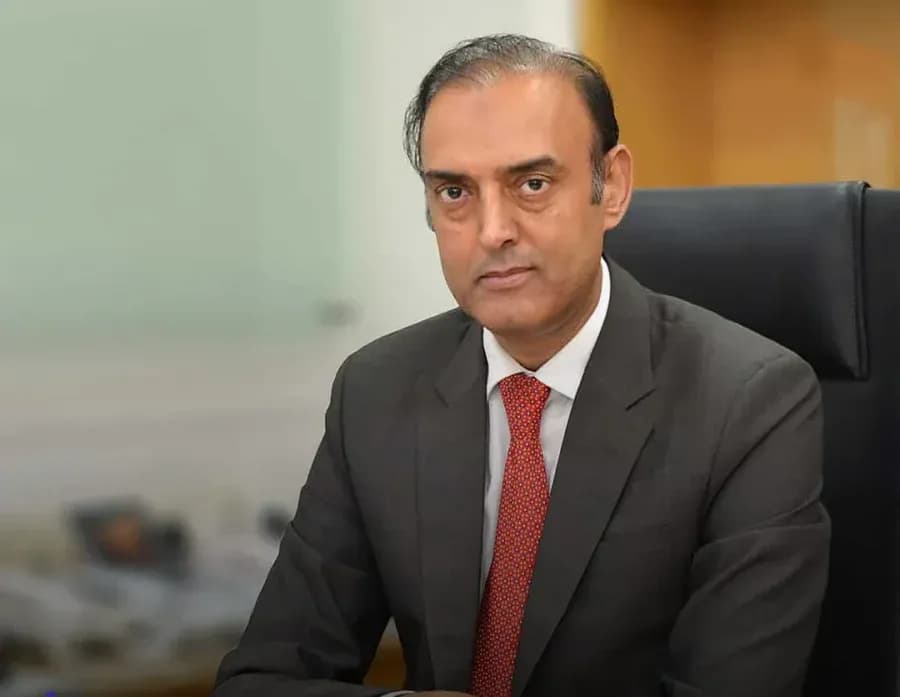
Governor State Bank of Pakistan (SBP) Jameel Ahmad stated on Wednesday that Pakistan has made progress in restoring macroeconomic stability and must now focus on strengthening economic resilience, structural reforms, and sustainable export-led growth. Speaking at the Standard Chartered Bank’s Annual Global Research Briefing in Karachi, Ahmad highlighted that the country's improved macroeconomic fundamentals have enhanced its ability to manage recent external shocks, including those from the ongoing Middle East conflict, compared to the pressures felt during the Russia-Ukraine crisis.
Ahmad reaffirmed that the government and the SBP are committed to building resilience against frequent supply shocks while creating an environment for sustainable growth. He noted that breaking Pakistan’s recurring boom-and-bust cycles requires higher exports, greater domestic savings and investment, and deeper financial markets. In doing so, he emphasized the critical role of the private sector and called upon businesses and financial institutions to contribute to the country’s economic structure.
The governor observed that emerging economies are increasingly impacted by commodity price volatility, geopolitical tensions, and climate-related disruptions. He stated that countries with stronger fiscal and external buffers, credible policy frameworks, and resilient institutions are better positioned to absorb these shocks. However, Ahmad emphasized that resilience also requires consistent and credible policies, flexible markets, and strong institutions.
Reflecting on the challenges of FY22 and FY23, Ahmad said the government and the SBP undertook difficult but necessary measures, including monetary tightening, fiscal consolidation, and temporary administrative measures to manage foreign exchange outflows. He noted these measures, supported by prudent management and assistance from multilateral and bilateral development partners, helped restore stability and rebuild confidence.
Ahmad highlighted improvements in key macroeconomic indicators, informing the audience that inflation averaged close to the target range during FY26 and is projected to gradually ease towards the medium-term target range despite a recent increase. He added that the current account deficit is expected to remain within 0-1 percent of GDP, while foreign exchange and fiscal buffers continue to strengthen.
Regarding economic activity, the governor said real GDP growth reached 3.7 percent in FY26 and is expected to improve further in the current fiscal year. He observed that these developments are increasingly being recognized by foreign investors, multilateral partners, and international credit rating agencies.