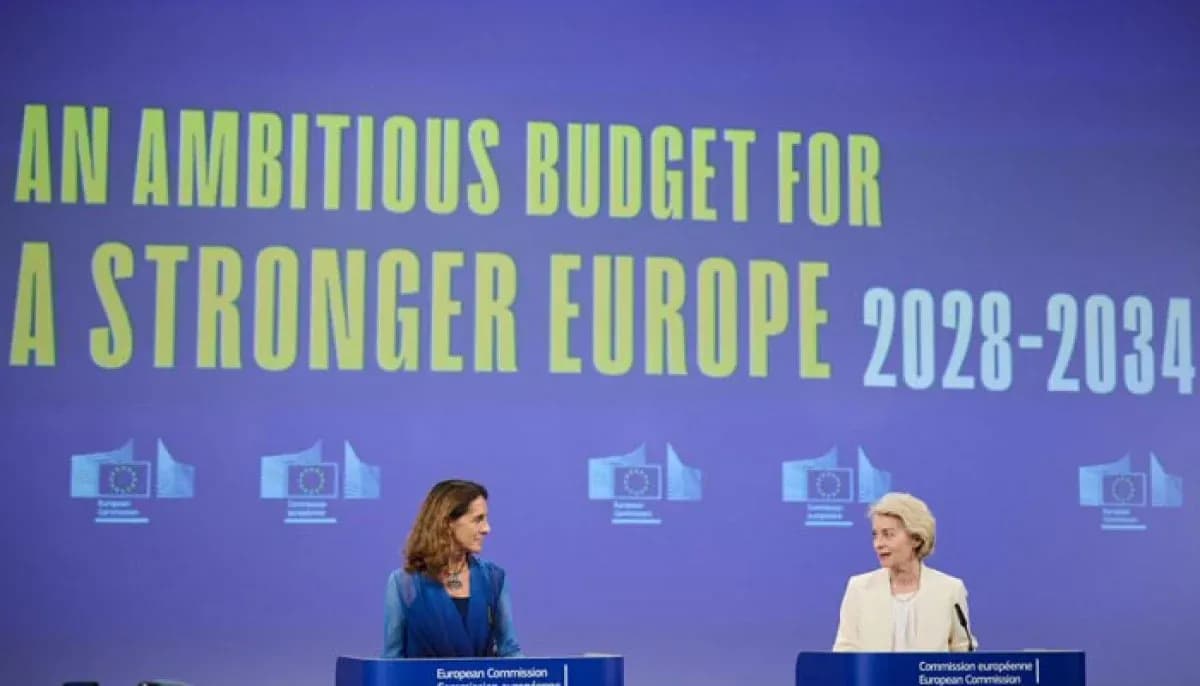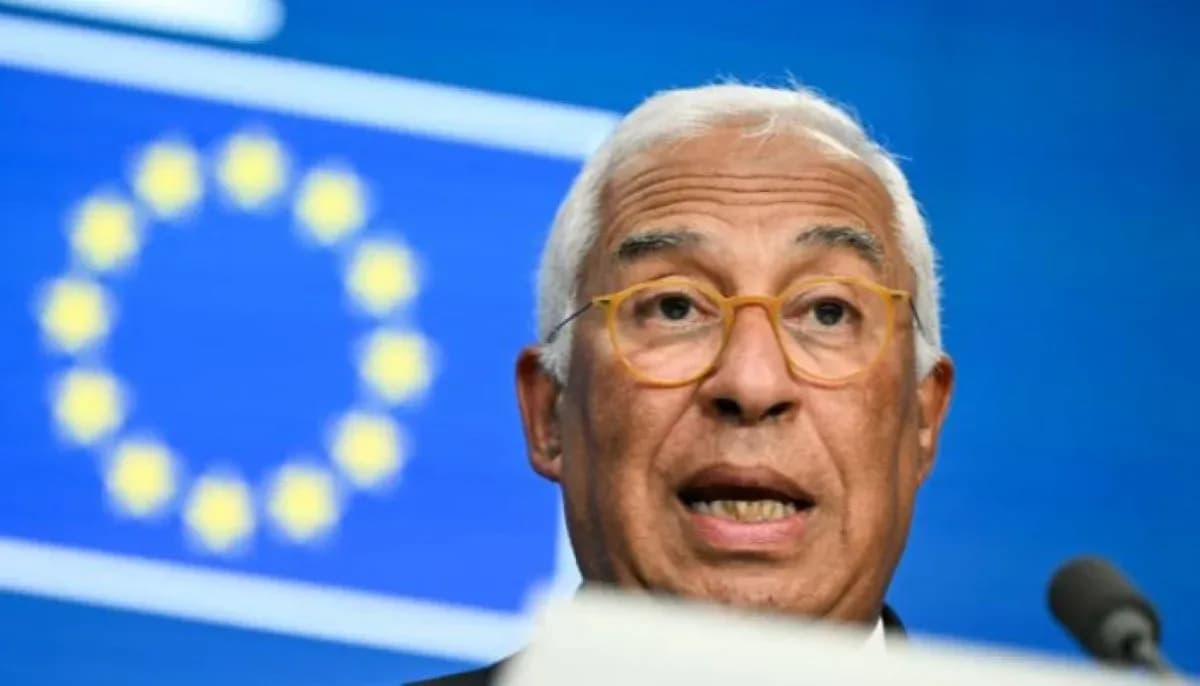
European Council President António Costa opened a two-day special summit in Brussels on Thursday, November 26, 2026, aiming to narrow deep divisions over the EU's next seven-year budget (2028–2034) plan and reach a political compromise before the end of the year.
While Costa acknowledged that a final agreement is unlikely during this week's meeting, he urged leaders to negotiate with a "sense of compromise." He warned that major national elections in 2027 across France, Italy, Poland, and other member states would make achieving unanimous approval "far harder" ahead of a decisive December 17–18 summit.
Costa’s revised proposal reduced the seven-year budget envelope to €1.582 trillion. This represents a cut of €40 billion from the previous draft and approximately 10% from the original plan proposed by the European Commission.
Despite these cuts, net contributors—including Germany's Friedrich Merz, Denmark's Mette Frederiksen, and the Netherlands—maintain that the budget is still too large. These nations argue the plan does not focus enough on competitiveness and defense.
Simultaneously, central and eastern European states, including Poland, Hungary, the Czech Republic, Slovakia, and Austria, are opposing the proposal. Their objections center on the reduction of agricultural subsidies and regional cohesion funds.
Further disagreement exists regarding a proposed €45 billion loan for Ukraine. Germany and Denmark are insisting that this loan must be tied directly to the broader budget deal. However, Hungary, Slovakia, and the Czech Republic oppose linking the Ukraine financing to the seven-year framework.