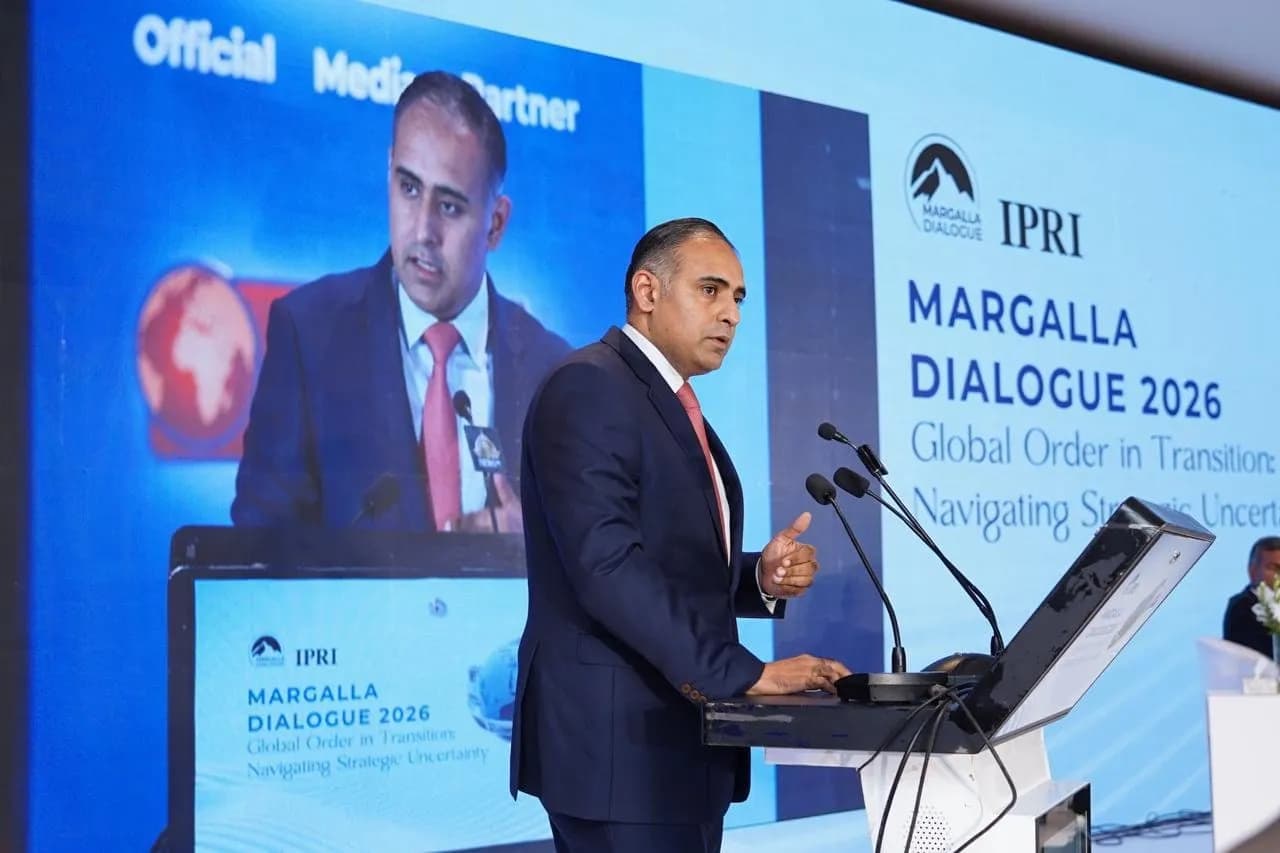
Minister of State for Finance Bilal Azhar Kayani stated on Tuesday that Pakistan must expand exports, improve financing for small and medium enterprises (SMEs), and address structural bottlenecks to achieve sustainable economic growth. Speaking at a special forum titled “Economic Security: Pakistan’s Economic Bottlenecks – Diagnosis and Prescription,” Kayani noted that exports are the only sustainable way to earn foreign exchange. He stressed the necessity of diversifying products, finding new markets, and strengthening current export sectors.
Regarding the Export Facilitation Scheme (EFS), Kayani described it as an effective tool that allows duty-free imports of inputs for export goods. However, he noted the scheme's reach is limited, with fewer than 1,000 out of an estimated 10,000 SMEs currently benefiting. The government is currently working to simplify procedures and remove regulatory hurdles to help more businesses access these facilities.
Kayani shared findings from consultations with approximately 50 SME exporters conducted at the Prime Minister’s direction. He reported that most participants identified access to finance, rather than energy costs, as their primary concern. These participants were established exporters, some of whom have operated for years, yet they continue to struggle to obtain financing available under existing schemes. In response, Kayani said the Prime Minister has made improving access to finance a priority and is engaging banks to evaluate their performance in lending to SMEs, small farmers, and low-cost housing projects.
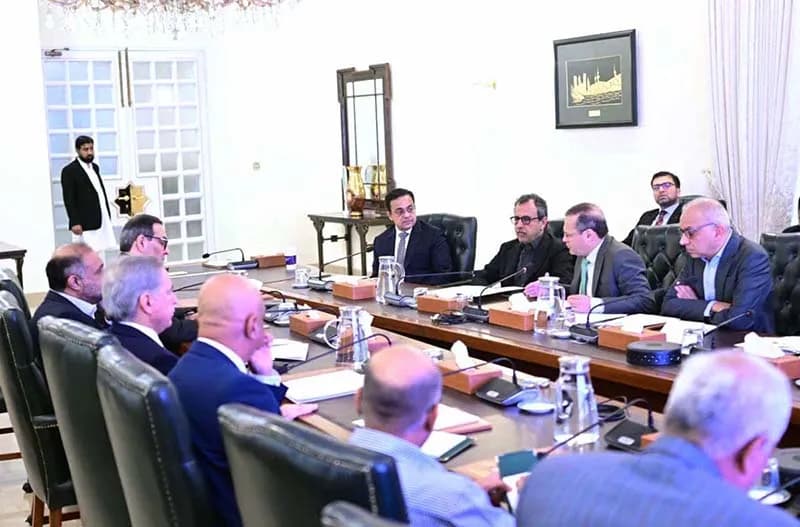
The Minister emphasized that policymaking should not be done in silos and that businesspeople facing daily regulatory challenges should be involved in designing economic policies. He noted that recommendations from private-sector-led working groups helped shape several tax measures in the recent budget. These included the removal of super tax for businesses earning between Rs150 million and Rs500 million, a two per cent reduction for those earning above Rs500 million, and the removal of super tax on exporters. He also mentioned tax relief for salaried individuals.
In terms of the Export Development Fund, Kayani said the government accepted recommendations to place management under private-sector leadership and abolish the export development surcharge. The fund’s board is now led by exporters, with 89 exporters represented.
Kayani also called for better coordination between federal and provincial governments to improve the use of development funds, which exceed Rs4 trillion in combined spending. He linked education to economic productivity, stating that the education system must improve to create a skilled workforce. Additionally, he underscored the importance of empowering local governments to bring resources closer to citizens. Finally, he argued that better governance requires improving the capacity and quality of public officials, ensuring respectful interactions with citizens, and reducing discretionary powers in policy implementation.