Key Takeaways
- Shareholders of The Bank of Punjab approved an equity injection of up to Rs30 billion.
- The move aims to strengthen the bank's capital and improve its ability to mobilize deposits.
- The government's direct subscription provides committed capital with greater certainty.
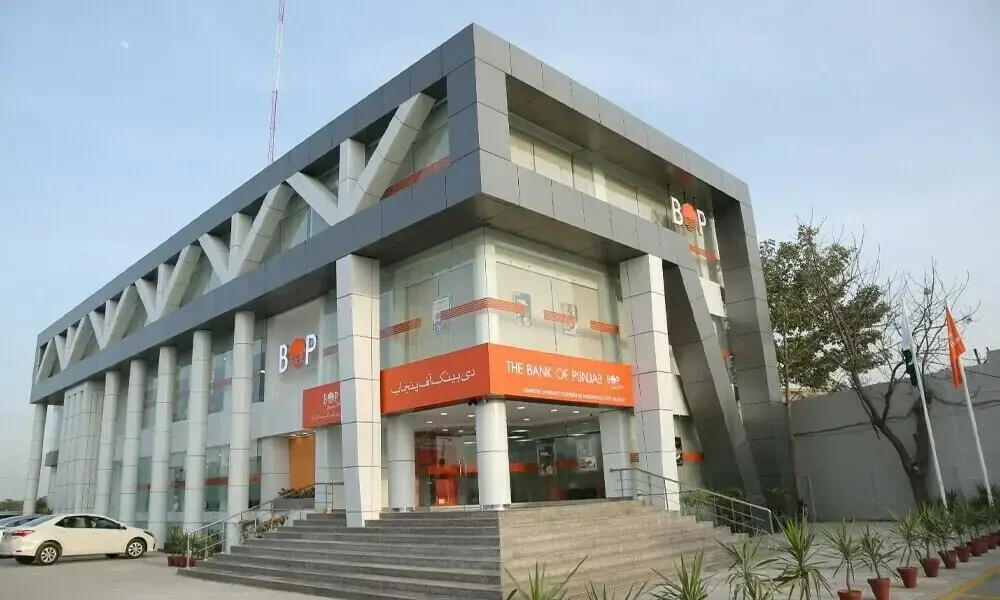
Shareholders of The Bank of Punjab (BOP) have unanimously approved an equity injection of up to Rs30 billion by the Government of the Punjab (GoP). This decision was made at an Extraordinary General Meeting held on Tuesday.
The bank, currently the lowest-capitalised among Pakistan's ten largest banks, will see its Tier-1 capital increase from Rs99.9 billion to Rs129.9 billion after the full equity injection. Despite this, BOP will remain the ninth-largest bank.
The additional capital will enable BOP to grow its balance sheet by mobilizing and deploying a larger deposit base safely and productively across its various business segments, including corporate, commercial, SME, agriculture, housing, digital, and Islamic banking, as well as its proposed overseas wholesale banking unit.
The government's direct subscription provides committed capital with greater certainty of amount, timing, and execution, unlike a rights issue, which would have required fresh funds from all shareholders and introduced uncertainty.
Since 2021, BOP has paid more than Rs15 billion in dividends, including Rs3 billion in the first six months of 2026. The value of GoP's investment has increased approximately seven-fold over the same period, and BOP was the best-performing banking stock in Asia in 2025.
The proposed injection represents general growth capital and will be deployed according to the bank's normal credit, risk, pricing, and profitability standards. Government-related business will remain subject to these standards.
Approximately 80 percent of recent rights issues on the Pakistan Stock Exchange were priced at a discount, and only two were priced at a premium, both substantially smaller than BOP's proposed offering. GoP's direct subscription provides committed capital with fewer new shares and lower dilution.
Minority shareholders are not required to invest additional funds but will participate fully in the benefits of a better-capitalised bank. BOP comfortably meets its regulatory capital and leverage requirements and carries an AAA long-term credit rating.
The bank's non-performing loan ratio has declined from 9.7 percent in 2021 to 4.8 percent in the first half of 2026, while the weighted obligor risk rating has improved to 3.6 from above 4.0 three years ago. Government of the Punjab schemes amount to Rs182 billion, or approximately 18 percent of the portfolio, of which more than 17 percent is