Key Takeaways
- Benin and Burkina Faso faced substandard arrangements during friendlies against Argentina.
- Travel and accommodation issues led to Burkina Faso sending an Under-23 team.
- African football associations accept such deals to avoid organizing friendlies themselves.
When Benin and Burkina Faso travelled to Buenos Aires for friendlies against Argentina, including the legendary Lionel Messi in his final match, the experience was far from a fairy tale. The organization was marred by logistical issues, according to a member of the Benin delegation.
The flight to Buenos Aires took days instead of hours, and the hotel lacked hot water. Training facilities were described as substandard, raising concerns about the overall experience for the African teams.
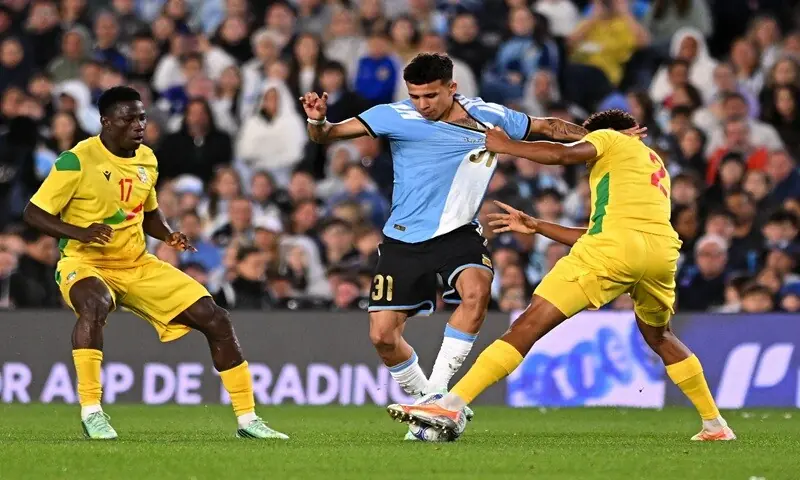
Before the match, the state-owned daily La Nation in Cotonou expressed excitement about showcasing Benin to the world, while the national football association considered it a privilege to play against Argentina. However, the reality was stark, with Benin losing 3-0.
Burkina Faso's friendly turned into a farce. The Stallions were stranded in Morocco due to a cancelled connecting flight, and when they finally boarded a plane, the senior squad refused to travel, leading to the Under-23 team's unexpected participation and a 7-0 loss.
Burkina's military ruler, Ibrahim Traore, criticized the state of the country's football and threatened significant decisions to improve the situation. He warned that if stakeholders do not change their relationship, the consequences could be severe.
African football associations accept these deals because they save the burden of organizing friendlies, explained an expert on African football. However, the substandard travel and accommodation arrangements are acknowledged as a problem.
The Burkina Football Federation official, Ibrahim Dianda, warned on Facebook that the next international window in November is approaching, and if the relationship between stakeholders does not change, the teams could face similar difficulties.
While fans seek answers, the blame is placed on various parties, including African federations and the Argentine Football Association (AFA), which is accused of capitalizing on Messi's presence to maximize revenue.
The AFA faces financial difficulties, a money laundering probe, and a president, Claudio Tapia, suspected of tax evasion, adding to the controversy surrounding the friendlies.