Key Takeaways
- Doctors have developed an AI tool that can detect heart disease in less than two seconds.
- The technology analyzes millions of ECGs to extract more information than the human eye can see.
- This breakthrough could fast-track high-risk patients for timely treatment.
Doctors have created an advanced AI tool that can identify heart disease in less than two seconds, according to a report in The Guardian. This technology, trained on millions of routine electrocardiograms (ECGs), can extract more information than the human eye can typically see, making it a 'superhuman' diagnostic aid.
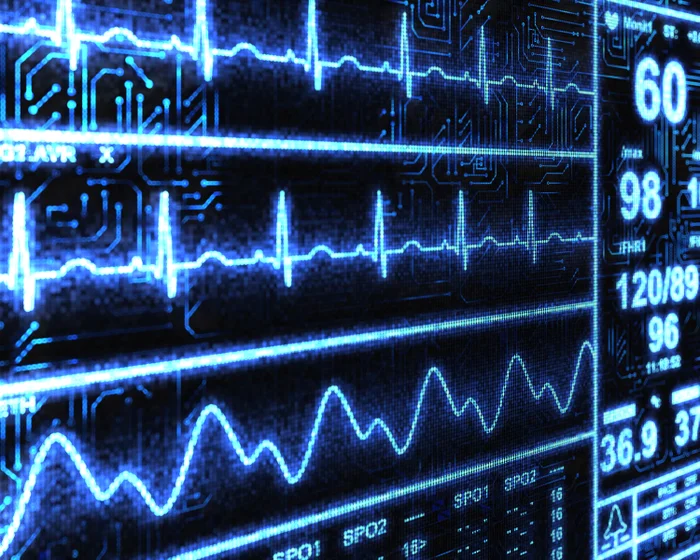
The AI tool works by analyzing ECGs, which are standard tests used to measure the electrical activity of the heart. By processing this data, the AI can quickly and accurately diagnose potential heart issues, potentially saving lives through early intervention.
The development of this AI tool represents a significant advancement in the field of cardiology. It could revolutionize the way heart disease is diagnosed and treated, allowing for faster and more efficient patient care. The tool’s ability to process vast amounts of data in a matter of seconds could lead to quicker identification of high-risk patients, enabling doctors to prioritize their treatment.
While the technology is still in development, its potential impact on healthcare is substantial. By reducing the time needed for diagnosis, the AI tool could help reduce the burden on healthcare systems and improve patient outcomes. The tool’s ability to analyze ECGs more comprehensively than human doctors could lead to earlier detection of heart disease, which is crucial for effective treatment.
The AI tool’s success in identifying heart disease is based on its extensive training on millions of ECGs. This extensive dataset allows the AI to recognize patterns and anomalies that might be missed by human eyes. The technology’s ability to process and interpret complex data quickly could make it a valuable asset in clinical settings, where time is often of the essence.
The development of this AI tool could have far-reaching implications for the healthcare industry. By integrating AI into routine ECG analysis, doctors could receive more accurate and timely diagnoses, leading to better patient care. The tool’s potential to improve diagnostic accuracy and speed could lead to more effective treatment plans and improved patient outcomes.
While the AI tool is currently in the development phase, its potential benefits are significant. By reducing the time needed for diagnosis, the tool could help healthcare providers prioritize patients and ensure that those at highest risk receive timely treatment. The technology’s ability to process and interpret complex data quickly could make it a valuable asset in clinical settings, where time is often of the essence.
The AI tool’s ability to analyze ECGs more comprehensively than human doctors could lead to earlier detection of heart disease, which is crucial for effective treatment. By identifying potential issues more quickly, the tool could help reduce the incidence of severe heart conditions and improve overall patient health.