Key Takeaways
- Finance Minister's Adviser emphasizes macroeconomic stability, structural reforms, and private-sector-led growth.
- Key economic indicators show recovery with real GDP growth of 3.7% and services sector expansion by 4.4%.
- Fiscal deficit reduced to less than 1% of GDP, with total debt-to-GDP ratio decreasing from 75% to 68%.
Adviser to the Finance Minister Khurram Schehzad outlined Pakistan's economic recovery and future plans during a seminar in Lahore. He highlighted that the government is focusing on macroeconomic stability, comprehensive structural reforms, and private-sector-led growth as key pillars of its long-term economic agenda.
Mr. Schehzad reviewed the trajectory of Pakistan’s economic recovery over the past two to three years, noting significant improvements across various sectors. Real Gross Domestic Product (GDP) grew by 3.7%, driven by notable expansions in agriculture and large-scale manufacturing, which recorded growth rates of 2.89% and 6.1% respectively.
On the fiscal front, Mr. Schehzad reported that the consolidated management has successfully contained the fiscal deficit to less than 1% of GDP over a nine-month period. He also mentioned that the primary balance achieved a record surplus, while the total debt-to-GDP ratio decreased from 75% to 68%, reflecting disciplined fiscal policies.
Macroeconomic Stability, Structural Reforms and Private-Sector Growth to Anchor Government’s Economic Agenda, says Khurram Schehzad, Adviser to Finance Minister
The Government of Pakistan is anchoring its long-term economic agenda on sustained macroeconomic stability,… pic.twitter.com/MfS2lgtNZw
— Ministry of Finance, Government of Pakistan (@Financegovpk) July 27, 2026
The external sector showed resilience with a current account deficit reduced to under $150 million and headline inflation decelerating to 7.5%. Gross foreign exchange reserves expanded significantly, reaching $18 billion, providing over three months of import cover. This reserve accumulation was achieved primarily through organic inflows rather than external debt.
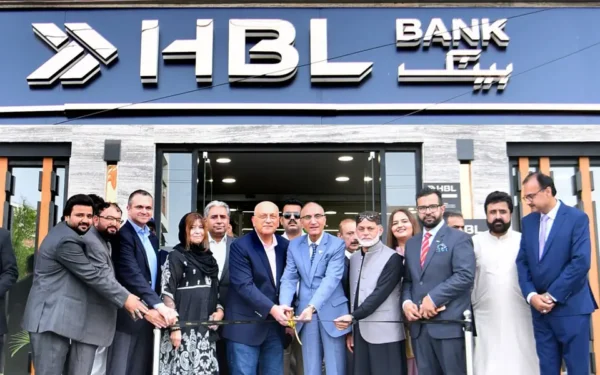
Mr. Schehzad detailed progress across eleven core reform areas aimed at reducing the state's footprint in commercial operations and fostering free-market competition. Key initiatives include privatization transactions for state-owned enterprises (SOEs), such as Pakistan International Airlines, First Women Bank, House Building Finance Corporation (HBFC), and power distribution companies (DISCOs).
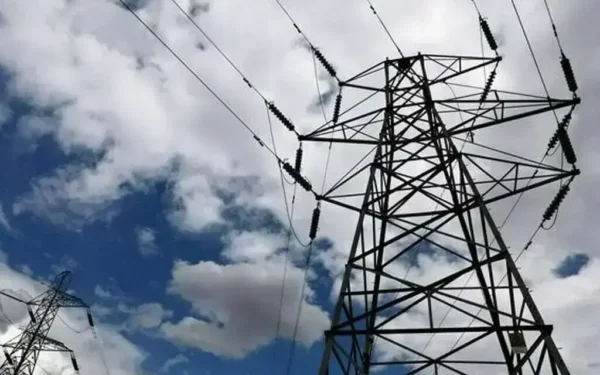
To complement energy sector divestments, the government is introducing a Competitive Trading Bilateral Contract Market (CTBCM) framework to end monopoly purchasing structures. Additionally, tax administration reforms are being rolled out through a completely faceless, multi-tiered digital operating model.
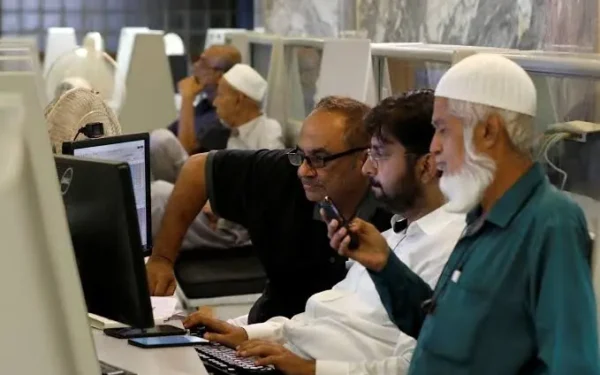
Fiscal policy measures are structured to incentivize private capital formation and industrial expansion. Private sector credit expanded by 1.46 trillion rupees, with an agricultural credit flow of 2.7 trillion rupees. The domestic equity market facilitated 11 Initial Public Offerings (IPOs) in a single year, marking a 20-year high.
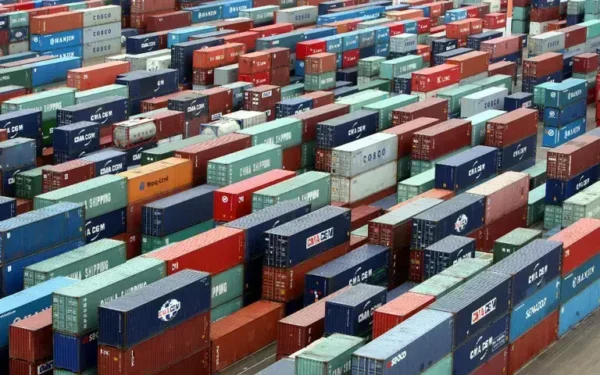
To accelerate export competitiveness, the government implemented tax relief measures, including removing super tax for corporate entities with profits under 500 million rupees and reducing energy tariffs for off-peak industrial consumption. An export refinancing facility offering concessional credit at 4.5% was also approved by the Economic Coordination Committee (ECC).
Looking ahead, Mr. Schehzad announced that the government is finalizing two flagship long-term frameworks: a Comprehensive Industrial Policy to drive manufacturing competitiveness and a Medium-Term Tax Policy designed to provide multi-year policy predictability for domestic and international investors.