Key Takeaways
- 30-year US Treasury bond yield hits 19-year peak at nearly 5.24%.
- Federal Reserve decides to keep key interest rate unchanged for fifth consecutive meeting.
- Inflation concerns fuel fears that central bank may not act quickly enough.
US government borrowing costs have reached their highest level in 19 years, with the yield on the 30-year US Treasury bond rising to nearly 5.24%, according to recent reports. This significant increase follows a decision by the Federal Reserve to hold its key interest rate steady for the fifth meeting in a row.
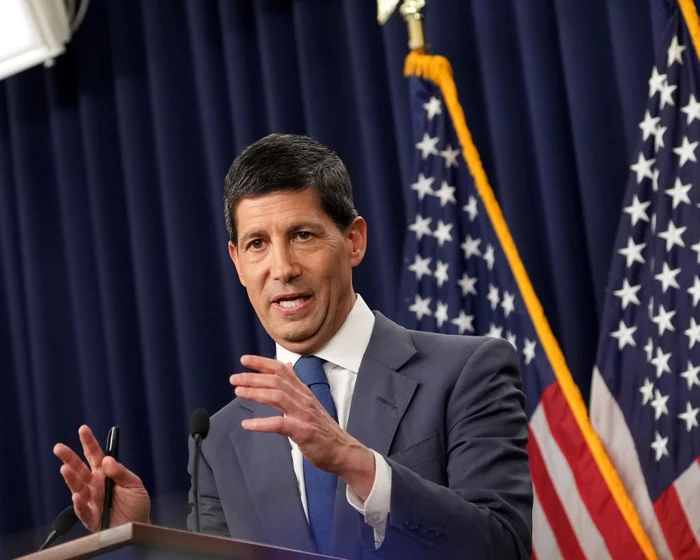
The Federal Reserve’s chair has pledged to continue fighting inflation, but this latest development has raised concerns that the central bank may not be moving fast enough to address rising prices. The 14 basis point rise in the yield on the 30-year US Treasury bond underscores the growing tension between economic stability and inflation control.
The decision by the Federal Reserve to keep its main rate at between 3.5% and 3.75% for a fifth consecutive meeting has left many economists and market analysts questioning whether the central bank is acting swiftly enough in response to current economic conditions. The yield on the 30-year US Treasury bond, which serves as an indicator of borrowing costs, has surged to its highest level since 2007.
The increase in borrowing costs could have significant implications for various sectors of the economy, including housing and consumer spending. Higher interest rates make it more expensive for individuals and businesses to borrow money, potentially slowing down economic growth and affecting investment decisions.
In a statement following the decision, the Federal Reserve’s chair emphasized the importance of maintaining stability in the face of inflationary pressures. However, this stance has not assuaged concerns among market participants who fear that the central bank may be lagging behind in its efforts to combat rising prices.
The rise in borrowing costs is expected to impact various aspects of daily life for Americans, from mortgage rates to credit card interest. This development could also affect government spending and budgetary constraints, as higher borrowing costs increase the cost of servicing national debt.
Economists are closely monitoring the situation, with some calling for more aggressive action by the Federal Reserve to address inflation. The current stance of the central bank is seen as a balancing act between economic growth and price stability, but it has not yet convinced all market observers.