Key Takeaways
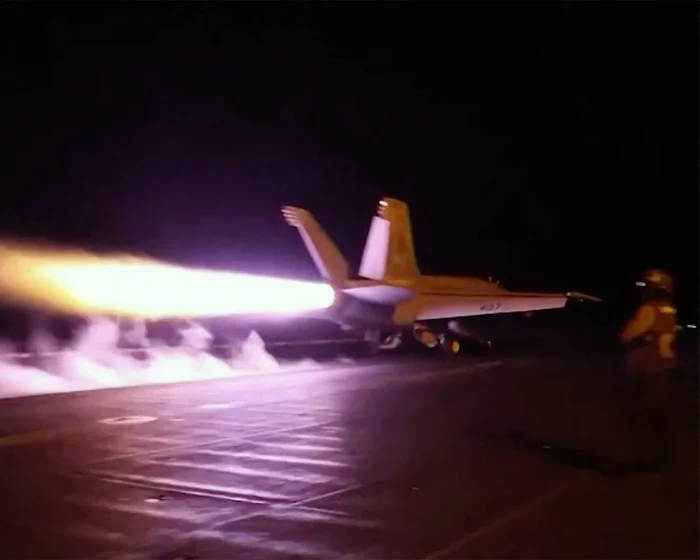
- The US military began its 12th consecutive night of attacks on Iranian targets.
- Houthis claim Red Sea tankers violated their blockade, while the US degrades Tehran’s ability to threaten ships in the Strait of Hormuz.
- US signs nuclear deal with Saudi Arabia amid ongoing tensions.
The United States military announced on Thursday evening that it had commenced its 12th consecutive night of strikes against Iranian targets, as directed by President Donald Trump. The attacks are part of a broader strategy to degrade Tehran’s ability to threaten ships in the Strait of Hormuz.
In response, Yemen’s Houthi rebels claimed that several tankers in the Red Sea had violated their blockade, stating that these vessels were operating within their designated maritime zone and denying any wrongdoing.
The US military stated that its actions are aimed at reducing Iran's capacity to pose a threat to international shipping. The strikes come amid heightened tensions between the two nations, with the US seeking to exert pressure on Iran through both military and diplomatic means.
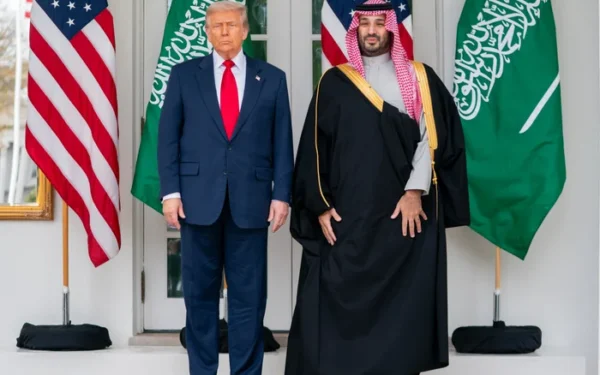
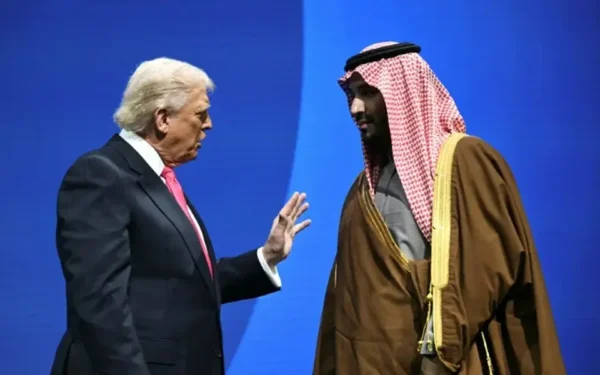
In related developments, the United States signed a nuclear deal with Saudi Arabia, signaling a strengthening of ties in the region. This move is seen as part of Washington’s broader strategy to counter Iranian influence in the Middle East.
The ongoing crisis has significant implications for global oil markets, given the Strait of Hormuz's crucial role in maritime trade. Analysts warn that any disruption could lead to increased prices and geopolitical instability.
Houthi spokespersons have called for international mediation to resolve the conflict, emphasizing their commitment to peaceful negotiations. However, they remain steadfast in their claims regarding the legitimacy of their actions against perceived violations of their blockade.
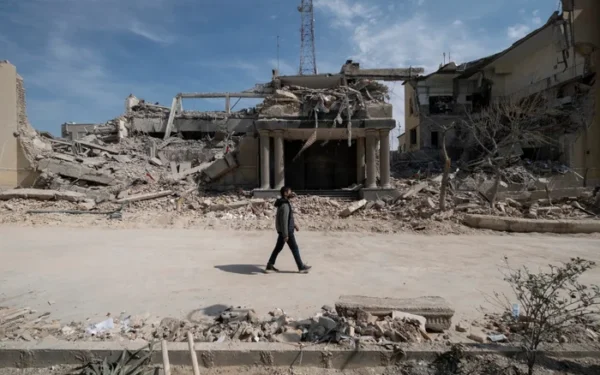
The US military has not disclosed details about the targets or the extent of the strikes, citing operational security concerns. Nevertheless, reports suggest that multiple Iranian military installations have been hit during these nightly operations.
Amidst the escalating tensions, regional allies such as Saudi Arabia and the United Arab Emirates have expressed support for the US stance, viewing Iran’s actions as a threat to regional stability. However, there are growing calls from international organizations for de-escalation and dialogue between the conflicting parties.