Key Takeaways
- Car sales in Pakistan increased by 39% during the fiscal year 2025-26.
- The surge is attributed to stronger consumer purchasing power and improved auto financing schemes.
- Truck and bus sales also saw a significant rise of 67%, driven by diverse car variants.
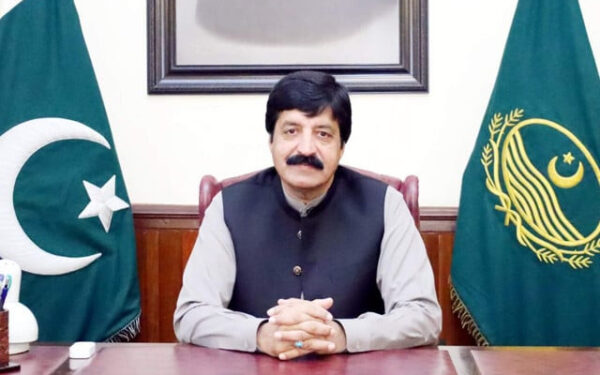
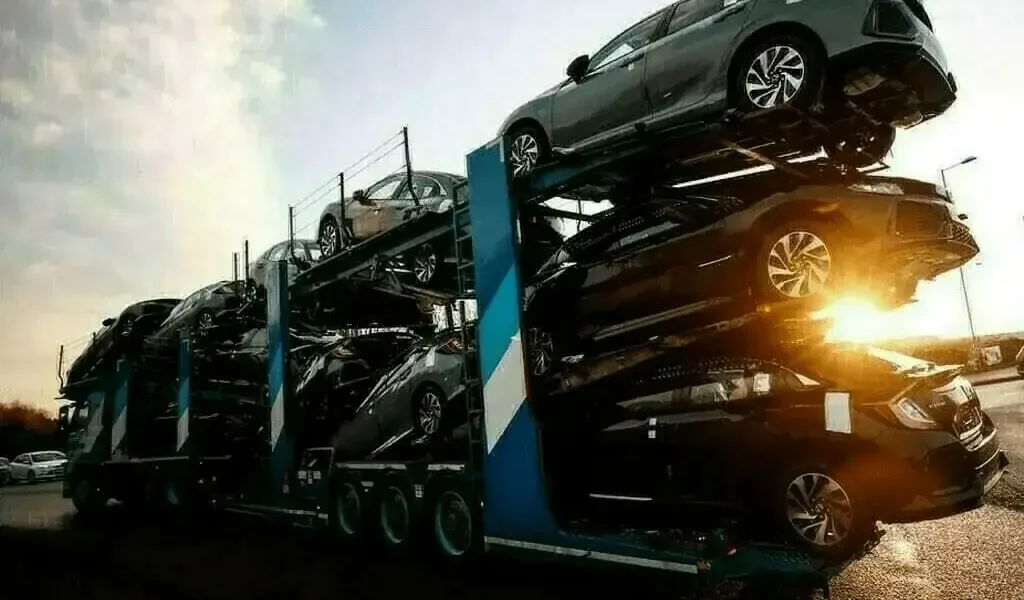
Car sales in Pakistan witnessed a remarkable increase, surging by 39% during the fiscal year 2025-26, according to data released by the Pakistan Automotive Manufacturers Association (PAMA). The rise is attributed to enhanced consumer purchasing power and more favorable financing options from banks. Muhammad Sabir Shaikh, an auto and bike analyst, highlighted that car buyers now have access to a wider range of variants, including fuel-driven, electric, and hybrid models.
The data also showed a 41% increase in the sales of jeeps and pickups, reaching 50,814 units. Sales of trucks and buses increased by an impressive 67%, with 7,439 units sold. Additionally, rickshaw sales rose by 25% to 985 units. Motorbikes and rickshaws together saw a 30% increase in sales, totaling 1,972,077 units.
However, the agricultural sector faced a setback with farm tractor sales declining by 1%. This decline is linked to growers' reluctance to invest due to poor returns over the past couple of years. Shaikh noted that while motorcycle sales have not fully recovered from the pre-COVID-19 levels, they are still struggling as middle-class consumers face financial constraints.
The analyst pointed out that before the pandemic, annual motorcycle sales had reached around 3 million units in 2016. However, with declining purchasing power among middle-class consumers and high fuel prices, many cannot afford electric bikes priced at approximately Rs300,000. In contrast, car buyers continue to purchase vehicles worth more than Rs10 million, indicating a significant increase in their financial capabilities.
Despite the growth in car sales, Pakistan’s public transport system remains inadequate, particularly in Sindh province where Karachi faces deteriorating road infrastructure. Shaikh called for immediate government investment in improving road conditions and expanding public transportation networks to address these issues.
The analyst emphasized that with rising fuel prices and increased fares for auto-rickshaws and ride-hailing services, motorcycle ownership has become increasingly essential for middle-class families. He urged both federal and provincial governments to take action to improve the situation.
Multiple reasons led to an increase in car sales in FY26, including increasing purchasing power of car lovers-cum-users, useful car financing schemes of banks suiting car buyers and more car assemblers coming with a vast variety of car variants and car types including fuel-driven, electric and hybrid.
Muhammad Sabir Shaikh, Auto and bike analyst and expert