Key Takeaways
- US and Iranian forces have launched major attacks, the heaviest since a ceasefire in April.
- Tehran threatens to stop complying with a framework agreement if Washington fails to meet its commitments.
- Oil prices rise due to fears of disrupted shipping through the Strait of Hormuz.
The Middle East has been thrust into renewed conflict as US and Iranian forces have launched major attacks, marking the heaviest since an April ceasefire. The escalating tensions threaten to derail ongoing efforts to permanently end hostilities in the region.
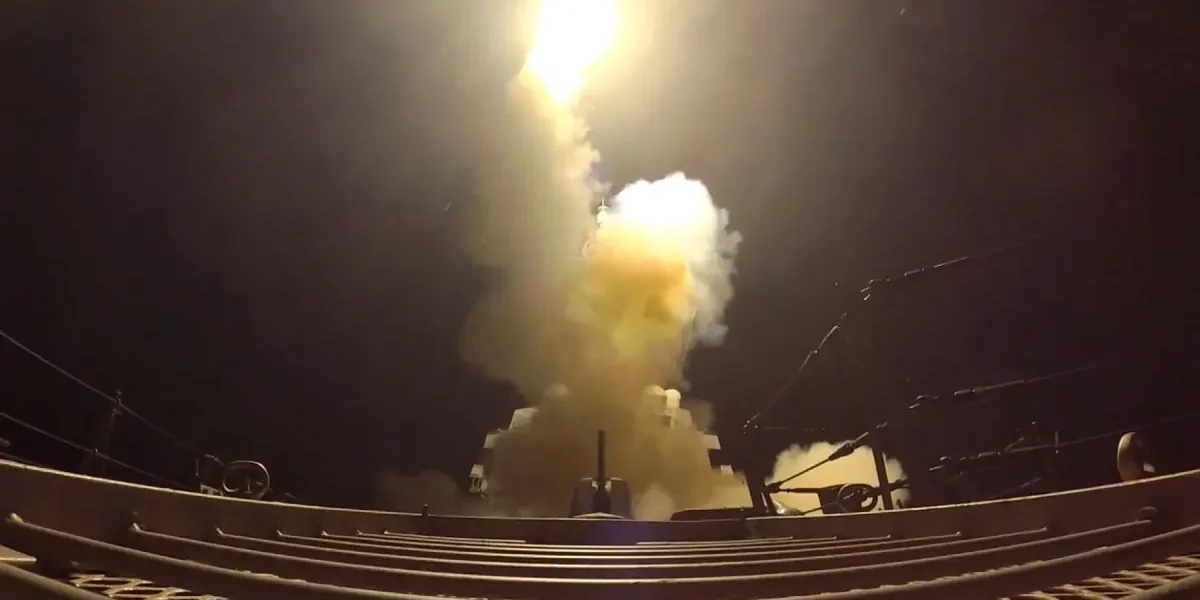
According to a statement from the US Central Command (Centcom), its forces completed a barrage of strikes on dozens of Iranian targets overnight, hitting multiple locations with precision munitions. This latest attack began at 2am PKT on Sunday and comes less than 24 hours after a previous wave that targeted 140 military sites.
In response, Iran's Revolutionary Guards (IRGC) announced new attacks on Bahrain, Jordan, Kuwait, and Oman. The IRGC stated that these strikes were part of its ongoing efforts to counter perceived US aggression. Tehran has also threatened to stop complying with a framework agreement signed in June if the United States fails to meet its obligations.
The foreign ministry spokesman Esmaeil Baqaei said, 'There is no doubt that this document is in crisis.' He added, 'Each time that the other party has failed to meet its commitments, we did not uphold ours. We will continue to act in this manner.' However, Tehran remains engaged in talks with mediators from Qatar, Pakistan, and Oman to prevent further escalation.
The latest US strikes reportedly caused two deaths and four injuries at a water pumping station in the southwestern city of Mahshahr, according to state news agency IRNA. Iranian state media reported that the attacks targeted large areas across southern and western Iran, including Qeshm island and Bandar Abbas near the Strait of Hormuz, as well as Khuzestan province bordering Iraq.
The conflict has centered on the critical energy trade route through the Strait of Hormuz, which Iran's IRGC claims is 'closed.' However, the US maintains that it remains open to maritime traffic. This dispute has led to a significant increase in oil prices, with the US benchmark WTI climbing nearly $74 per barrel due to fears of hampered supply on global markets.
Pakistan, a key intermediary in negotiations, expressed deep concern at the escalation in regional tensions. The country's foreign ministry stated that the US attacks had 'caused the return of insecurity in the Strait of Hormuz' and 'rendered futile all efforts' at establishing peace in the region.
Analyst Bader Al-Saif commented on the situation, noting that the escalating conflict could have severe economic implications for global oil markets. He said, 'The current state of affairs is a stark reminder of the potential consequences of failed diplomatic efforts.'
There is no doubt that this document is in crisis.
Esmaeil Baqaei, Foreign ministry spokesman, Iran
We will continue to act in this manner.
Esmaeil Baqaei, Foreign ministry spokesman, Iran
Related