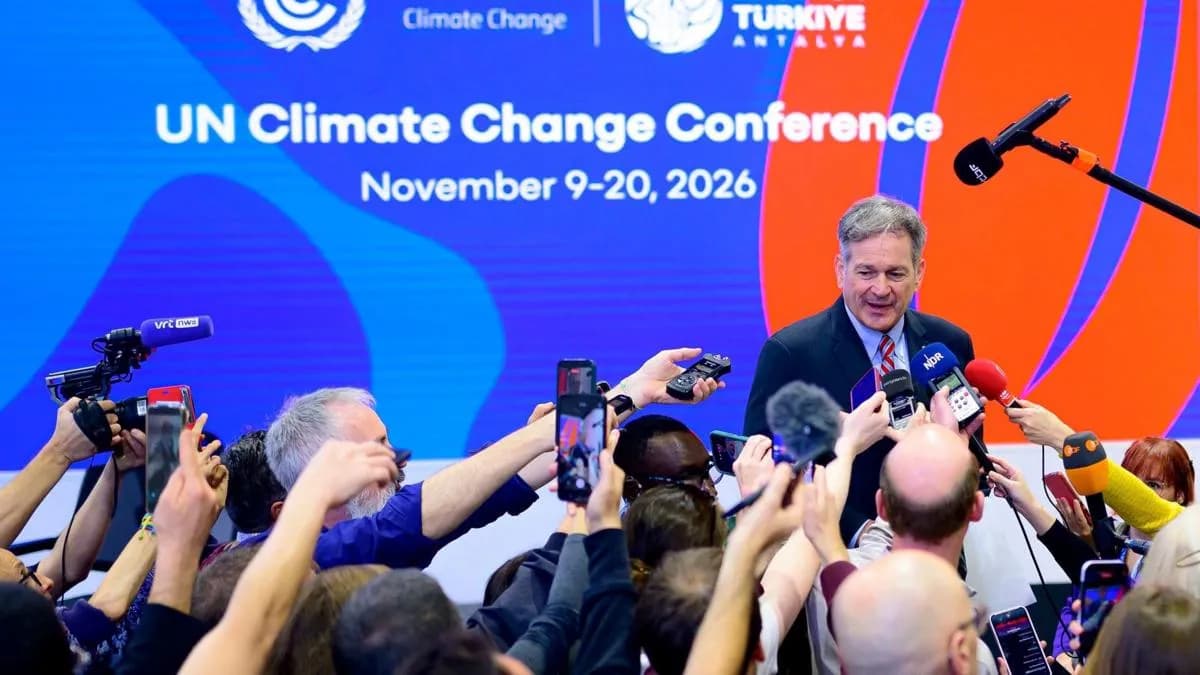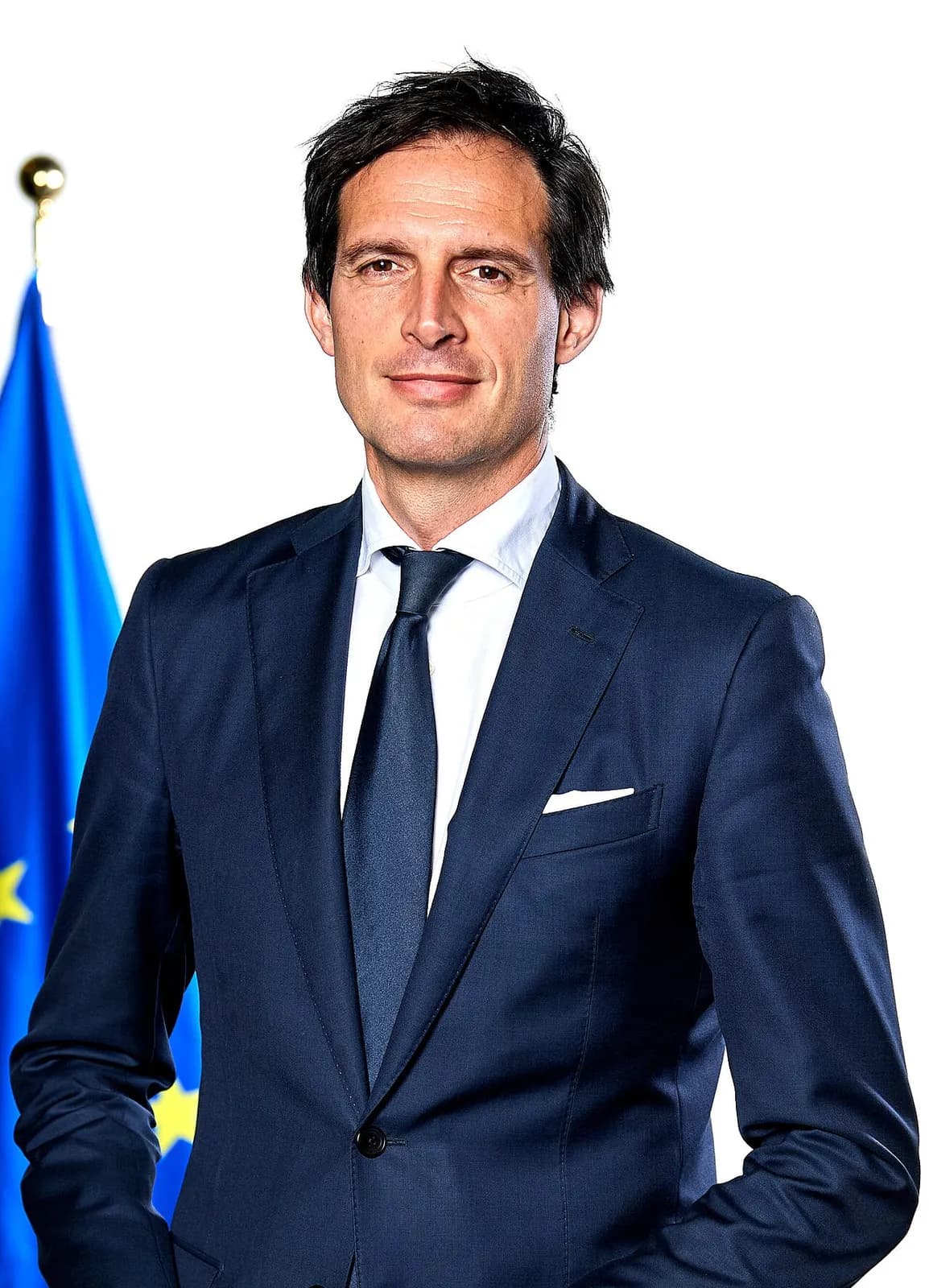
European Union Climate Commissioner Wopke Hoekstra stated on Saturday that the COP31 climate summit will result in either a good deal or no deal at all. The statement came as negotiations stretched deep into overtime, with representatives from nearly 200 countries struggling to bridge divisions regarding climate finance and fossil fuels.
The two-week conference was originally scheduled to conclude on Friday. As workers began dismantling exhibits and catering stands, delegations moved between rooms to discuss tactics or rest while awaiting a new negotiating text.
Turkiye's COP31 President Murat Kurum met with officials from the EU, Australia, and Saudi Arabia to attempt to break the deadlock. Kurum acknowledged that a deal might be elusive, telling reporters, "I call on every country to act responsibly. There is no benefit for anyone to ruin this process by getting hung up on words, phrases."
The primary sticking points involve whether the final agreement should mention the fossil fuels driving global warming and whether it should include support for poorer countries to adapt to climate change. A draft deal released on Thursday removed previous references to ending fossil fuel use, a move observers said was opposed by Saudi Arabia and other major oil and gas producers. That same draft removed a proposed $120 billion target for finance to assist developing countries with climate adaptation.
While negotiators expected a revised draft on Friday, no new text was available by Saturday afternoon, leading to mounting frustration. One observer noted that "This delay strategy which has been used at previous COPs could be so at the end when things are put on the table you accept because you are fed up, exhausted, and want to go home."
External factors, including war and rising living costs, have further complicated this year's talks. Additionally, the US, the world's largest historical greenhouse gas emitter, is also absent from the talks for the second year in a row after President Donald Trump ended cooperation on climate policy, calling global warming a hoax.
A UN report from last month indicated the world is on track to exceed 1.5 degrees Celsius of warming above pre-industrial levels, a threshold the 2015 Paris Agreement aimed to avoid. While the draft agreement acknowledges this projected overshoot and calls for faster deployment of technologies to remove greenhouse gases, some delegations opposed this, arguing it could allow for continued fossil fuel use.
Brenda Mwale, Malawi's loss and damage negotiator, commented on the situation, saying, "The fact there is loads of unfinished business at this COP shows there's a big problem here. The question is are we in a leadership crisis? Was there really a vision for this COP?"