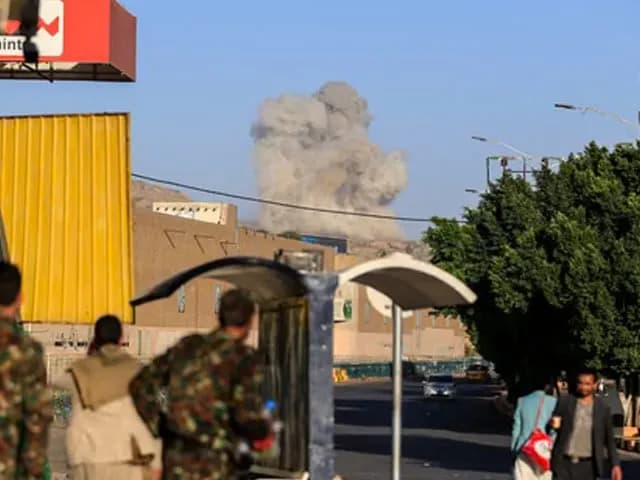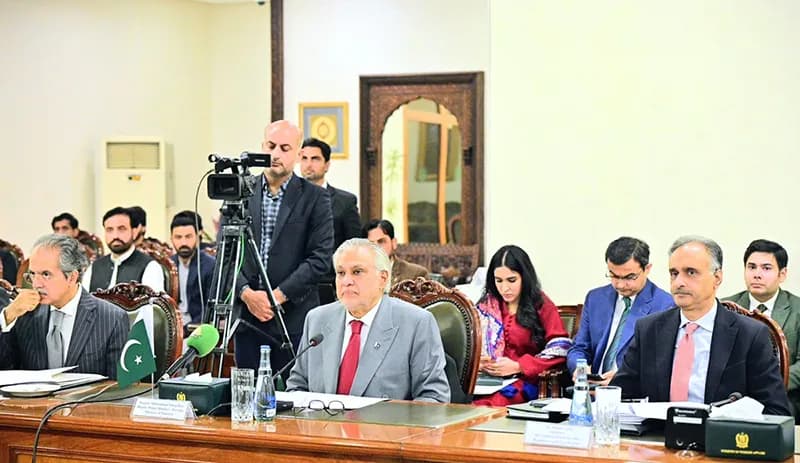
Deputy Prime Minister and Foreign Minister Ishaq Dar voiced hope for an imminent deal between Washington and Tehran, stating that the global community cannot sustain prolonged conflict in the Middle East. Speaking in an interview with the Euro News broadcast by PTV News on Saturday, Dar said, “I’m a born optimist. I think I would certainly expect that sooner or later, I hope it’s sooner, that we will achieve that objective. Because, you see, the world cannot afford. See the energy supply chain disruptions. See the price hikes. See the people suffering. And even in our country, people are suffering.”
Dar affirmed that Islamabad has not given up on the peace process despite subsequent violations of the June 18 accord. He stated that Pakistan continues to press both Washington and Tehran to honour their signed commitments. The DPM/FM reiterated Pakistan’s commitment to an independent, multilateral foreign policy and revealed that Islamabad played a pivotal role in mediating direct talks between the United States and Iran. He rejected unilateralism and bloc politics, emphasizing that dialogue and diplomacy are the only viable paths to resolving extreme global conflicts.
Recounting the outbreak of hostilities on February 28, Dar maintained that Pakistan was the first nation to condemn the Israeli strike. He stated that he contacted Iranian Foreign Minister Abbas Araghchi immediately afterward to urge restraint and advise against targeting Gulf and Middle Eastern states, though he noted Iran later launched strikes on US bases in the region.
Pakistan’s diplomatic outreach culminated on April 10 and 11, when Islamabad hosted the first direct face-to-face negotiations between Washington and Tehran in 47 years. Dar described the 21-hour marathon session as bringing both sides to the brink of an agreement before one delegation paused for consultations with its leadership. Continued Pakistani mediation eventually produced the ‘Islamabad Memorandum of Understanding (MoU)’ on June 18. Dar added that the framework was signed remotely by the President of Iran and US President Donald Trump, who was attending the G7 summit in Europe.
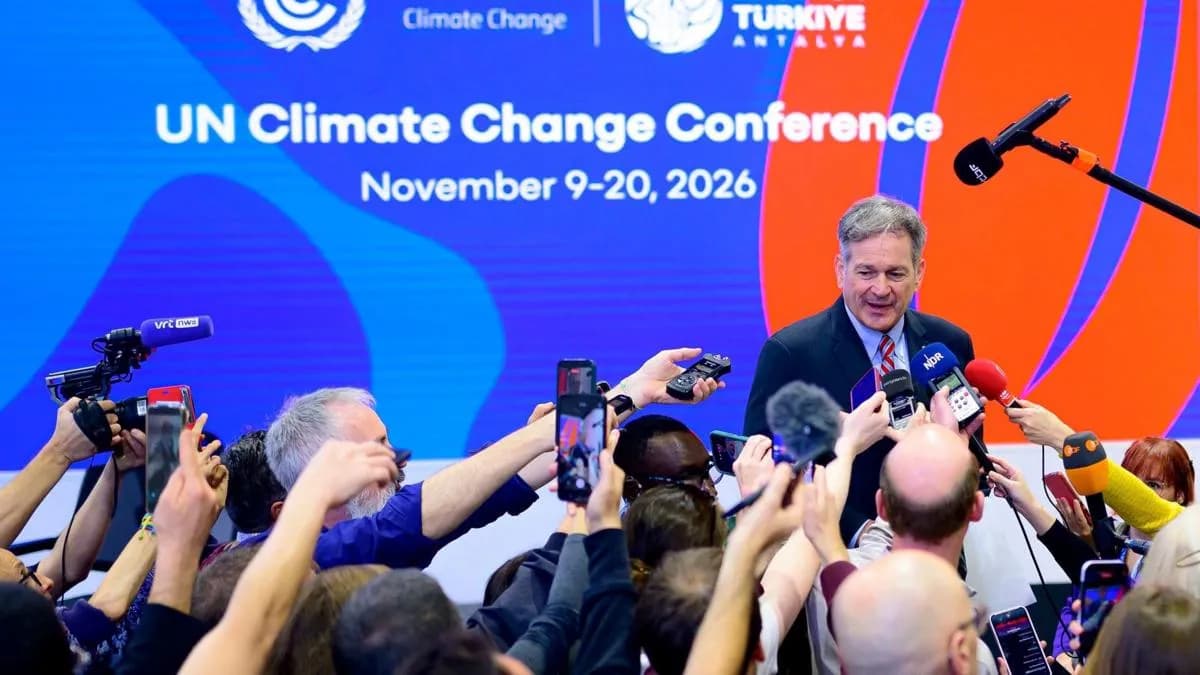
Dar also highlighted a five-point Middle East peace initiative formulated during his March 31 visit to China with Foreign Minister Wang Yi. He called for a new regional security architecture to protect the global economy, noting that the ‘Regional 4 (R4)’—comprising Pakistan, Saudi Arabia, Turkiye, and Egypt—has actively pushed for restraint following a March consensus statement by 12 Islamic nations in Riyadh. These efforts expanded on October 23 in Istanbul through joint talks with the ‘E4’ (the UK, France, Germany, and Italy), with Germany now inviting both blocs for follow-up discussions in December.
“This is a combined responsibility to keep both parties cool and make them understand that there is no solution through kinetic actions—it has to be through dialogue and diplomacy,” Dar stated.
Regarding ties with Washington and Beijing, Dar noted that Pakistan currently enjoys proactive engagement with the United States, citing the fact that Islamabad was the sole mutually agreed venue for direct talks between Washington and Tehran as a reflection of that trust. He affirmed that Pakistan maintains independent, parallel strategic and economic partnerships with the US and its 75-year “all-weather” ally China, alongside Europe and the Middle East. Dar emphasized that ‘economic diplomacy’ now runs parallel to conventional diplomacy and stated that global peace requires urgent reforms across international institutions, including the UN, World Bank, and IMF.