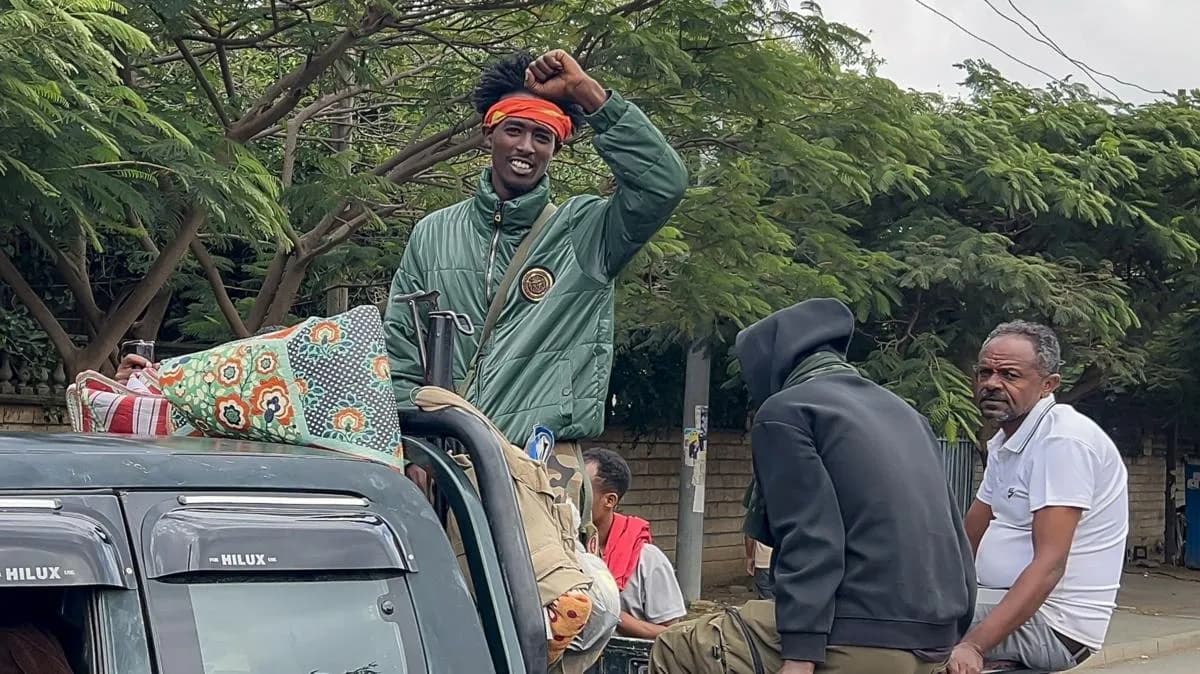
Life in Mekelle, the capital of Ethiopia's Tigray region, remains difficult for residents following a brief resumption of the civil war. Firut Me'ar, a local hair salon owner and single mother, told the BBC that people cannot prioritize beauty over basic needs like feeding children. While she noted that conditions are better than during the height of the war, she described the current atmosphere as one of low morale and non-existent business, stating there is "uncertainty about what comes next."
The conflict flared up in late September between the national army and the Tigray People's Liberation Front (TPLF), the party that previously governed the region for decades. Federal forces entered Mekelle in less than two weeks after the TPLF made what it described as a "strategic withdrawal" from the city and other major towns. The BBC reports that hundreds of people have died in the conflict, including dozens killed by air force bombing raids and drone strikes.
Ethiopian government officials and supporters maintain the war is effectively over, with the remaining task being the clearance of TPLF elements. Getachew Reda, a senior TPLF official who switched sides and now serves as an adviser to the prime minister, declared the war in Tigray has ended and stated that stabilizing the region should be the immediate priority.
However, the TPLF denies any defeat. Speaking to the BBC from an undisclosed location, spokesperson Mikael Asgedom described the movement as a deliberate tactical and strategic retreat. He claimed the TPLF "intentionally allowed the ENDF to advance deeper into the heartland of Tigray" to be isolated on favorable terrain, stating, "We chose not to fight on terms favourable to the enemy." Asgedom added that the TPLF is preparing for a major counteroffensive and noted that fighters have launched attacks against Ethiopian forces in several locations to demonstrate continued military capability.
Analysts offer conflicting views on the TPLF's situation. Cameroon Hudson, an analyst and consultant on African peace and security, attributes the TPLF's rapid defeat to a loss of popular support, internal fragmentation, and a lack of advanced military technology. He noted the group has lost many generals and strategic thinkers to defections or arrests. Abraha Hailezgi, a scholar at Mekelle University, added that the national army has become associated with coercion and abuses, leading many to view the TPLF army as an adversary rather than a protective force.
Conversely, Yared Tibebu, an Ethiopian commentator based in the US, suggests the TPLF has a history of waging protracted armed struggles and believes the movement is preparing for a lengthy conflict. He argues the TPLF has overcome many major challenges in the past and possesses a political history stretching back more than 50 years. He also pointed to the formation of the Alliance for Survival in September—a coalition of seven rebel groups led by the TPLF—as a potential source of strength, noting that the TPLF's military wing has leadership experience while the Fano militia is believed to have between 70,000 and 80,000 fighters.
Hudson disagrees with the prospect of a prolonged war, suggesting the TPLF may only continue a low-level insurgency or guerrilla campaign. He argues the TPLF is "trapped in the past" and lacks the size and strength to confront the modernized federal forces. In response, Mikael Asgedom claimed the TPLF obtains weapons and logistical supplies from the Ethiopian military, stating, "We seize weapons from our enemy, and the weaponry that has entered Tigray will, sooner or later, become ours."
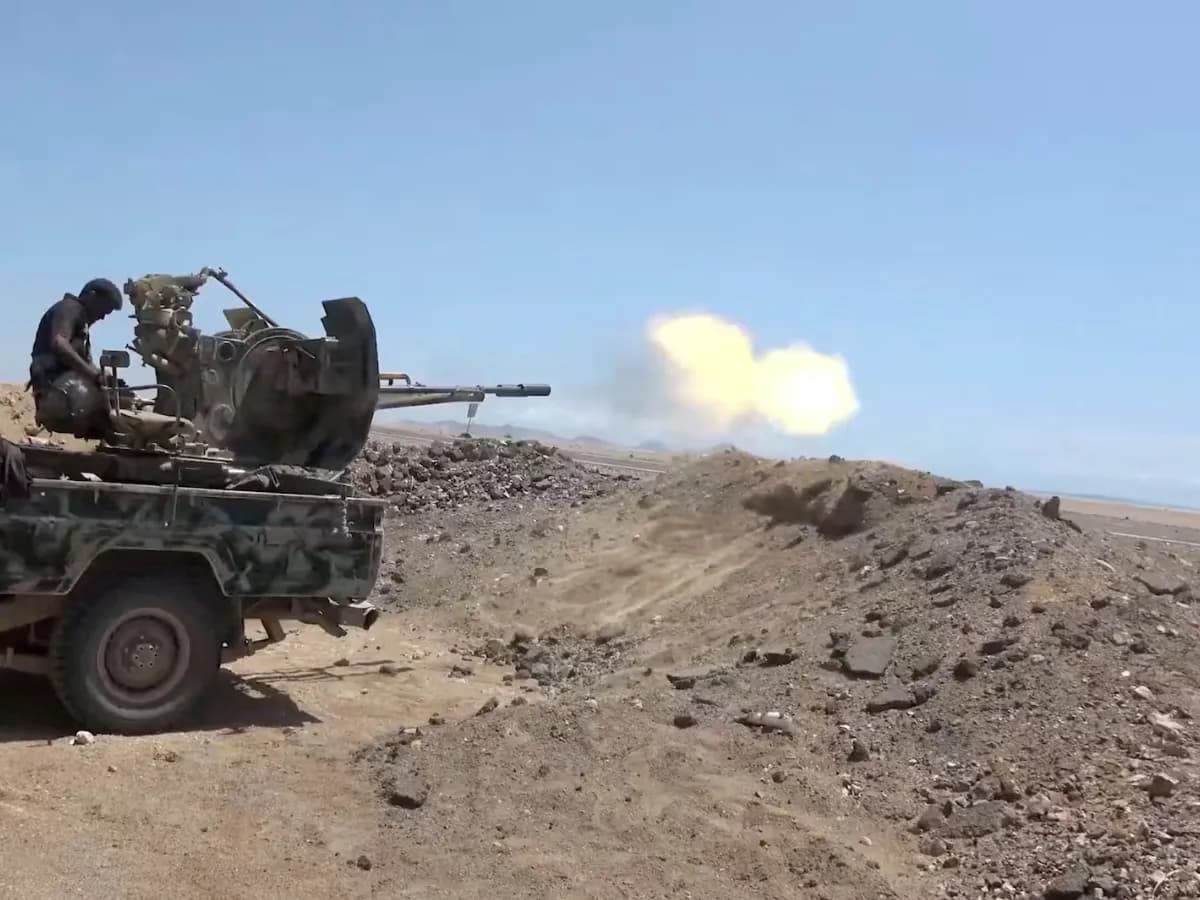
Reports from residents indicate that fighting continues in central, northern, and north-western parts of Tigray using heavy artillery and drone strikes. A businessman near the Eritrean border reported hearing heavy artillery fire from the Sheraro direction, while a motorcycle operator in Yechila reported active military checkpoints. The reappearance of soldiers from Eritrea and Ethiopia in Tigray towns has caused profound fear among residents, who remember the human rights abuses and allegations of ethnic cleansing from the 2020-2022 war.
Regarding Eritrean involvement, Hudson believes the country would be wary of becoming further embroiled due to limited resources, the TPLF's diminished military effectiveness, and the risk of provoking Ethiopia. Sources in the Ethiopia army told the BBC that senior TPLF political leaders were briefly based in Eritrea but were ordered to leave in early November after President Isaias Afwerki returned from Russia, reportedly due to concerns that Ethiopia could use their presence as a reason to invade.