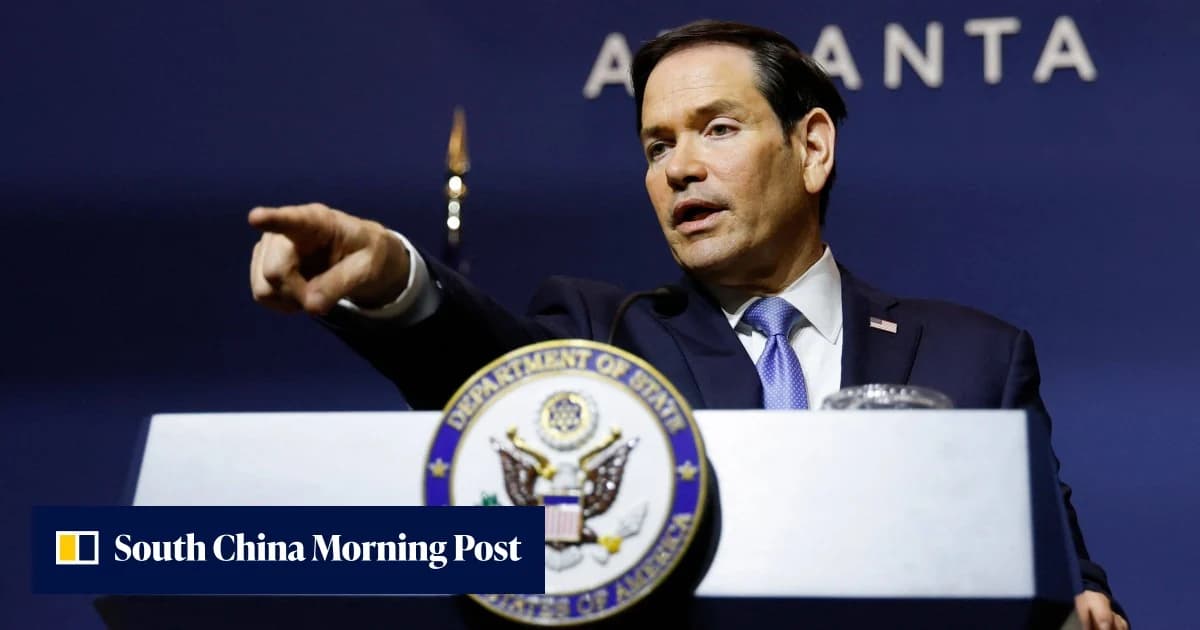
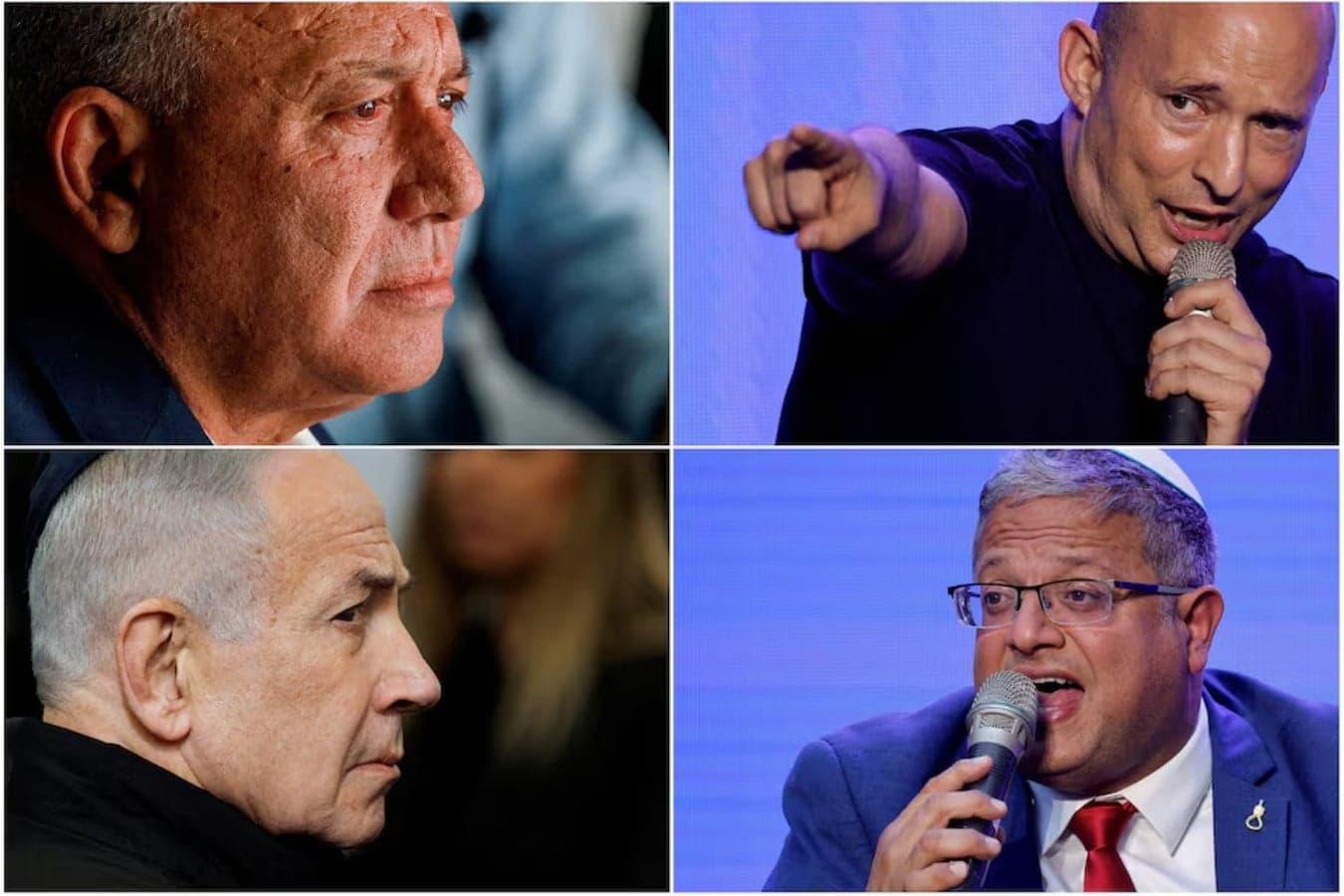
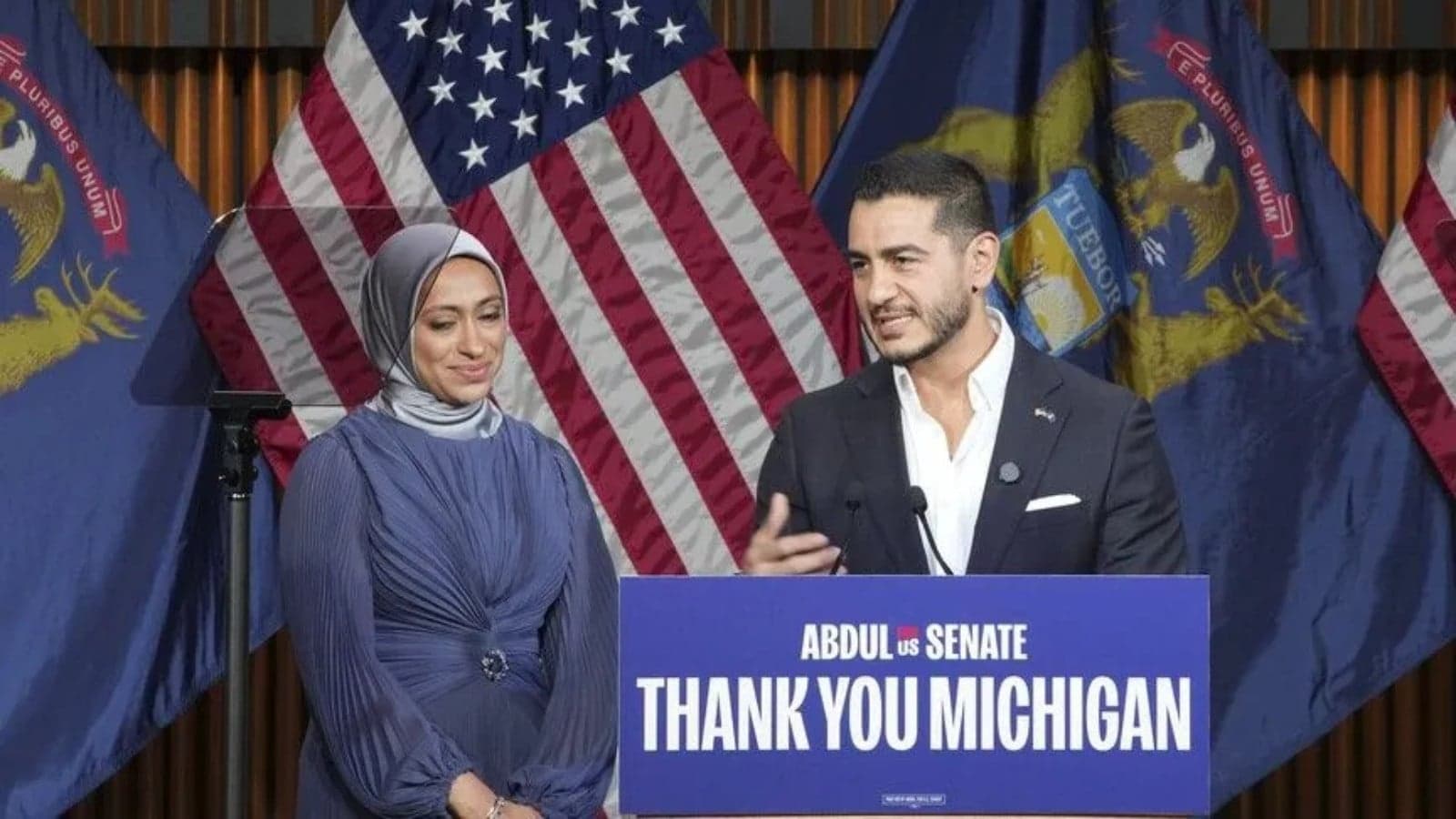
Initial shock at Tuesday night's stunning election results quickly turned into anger within the Republican Party toward US President Donald Trump. After Democrats won upset victories in deep-red states including Texas, Kansas, and South Carolina, some Republicans argued that Trump’s focus on his own legacy and indifference to voter concerns caused the party to lose control of Congress.
"It's on him. It's not on anybody else. It's a total, complete rejection of President Trump," Bill Miller, a top Republican lobbyist in Texas, told the BBC. Miller described the outcome as "a disaster of the first magnitude," noting that "Nobody saw it coming like this."
While most Republicans expected to lose the House and recognized the difficulty of holding the Senate in a cycle favoring the opposition, some interviewed by the BBC stated Trump dragged the party down with a low job approval rating, unpopular policies, and an obsession with Washington construction projects. Gregg Peppin, a Republican strategist in Minnesota, stated, "Clearly, in state after state, people did not like the president's policies," adding that it was "just one mistake after another."
A White House ally told the BBC that public disapproval regarding the Iran war, tariffs, and the administration's immigration crackdown created a "perfect storm" in November. This ally noted that "anger with Trump 'is extremely high'" and there is "palpable frustration" within the party.
The midterms have left Trump facing a motivated Democratic majority eager to investigate his administration, block judicial nominees, and stymie his agenda. This marks an uncertain new phase in his second term and may force Republicans to start grappling with their post-Trump future.
On the eve of the election, Iowa Republican National Committeeman Steve Scheffler said he did not believe Trump's influence was slipping, but admitted there were "things you wish he said differently" regarding the midterms.
After the House and Senate were called for Democrats, Trump posted on Truth Social: "I wasn't on the Ballot and if I was, we would have won IN A LANDSLIDE! Thank you for your attention to this matter." In later interviews with the New York Times and Fox News, he said he would accept the results, though he told Fox he was "a little bit surprised" by the outcome.
The Democratic gains were significant; the party won dozens of House races, state governor contests, and Senate seats. Notably, Democrats had not won a Senate seat in Kansas since 1932, nor a statewide race in Texas in more than three decades.
While some allies defended Trump, arguing he was balancing the presidency with campaign travel, others pointed to weak candidates. One anonymous Texas Republican operative called Ken Paxton’s Senate campaign "the worst Senate campaign in the country from either side of the aisle," while praising the Democratic winner, James Talarico, for a "really good and smart campaign."
Krish Mathrani, the Michigan Republican Party's youth chair, defended Trump’s rallies as a "turnout machine," though the BBC noted this success has failed to deliver in elections when he's not on the ballot, and 2026 proved no different.
The report highlights that Trump appeared disinterested in the midterms over the summer, focusing instead on the Iran war and construction projects in Washington, such as a ballroom and helipad on the South Lawn, renovations to a local golf course, a proposed memorial arch near Arlington Cemetery, and renovations to the Kennedy Center. Sources also cited a UFC match at the White House for his 80th birthday in June as evidence of his focus on himself.
Trump turned his attention to the election in September at a midterm convention in Dallas. The event was criticized by Democrats as a failure that "backfired for Republicans because nobody paid any attention to it," according to Texas Democratic Party executive director Terri Burke. At the event, Trump pledged $5,000 to anyone who voted for Republicans and criticized Paxton’s physical appearance, a move Robin Armstrong, Texas' Republican National Committeeman, said was "obviously, that's never helpful."
In the final weeks, Trump faced criticism for praising Senator John Husted's physique and calling El-Sayed a "jihadist." Simultaneously, the White House faced scandals, including the ousting of press secretary Katie Zacharia, the resignation of ambassador Kimberly Guilfoyle, and a controversial deal to buy Russian diesel.
A second White House ally stated that the president's political aides projected optimism until the final days of the election, even as it became clear the party was headed to defeat.