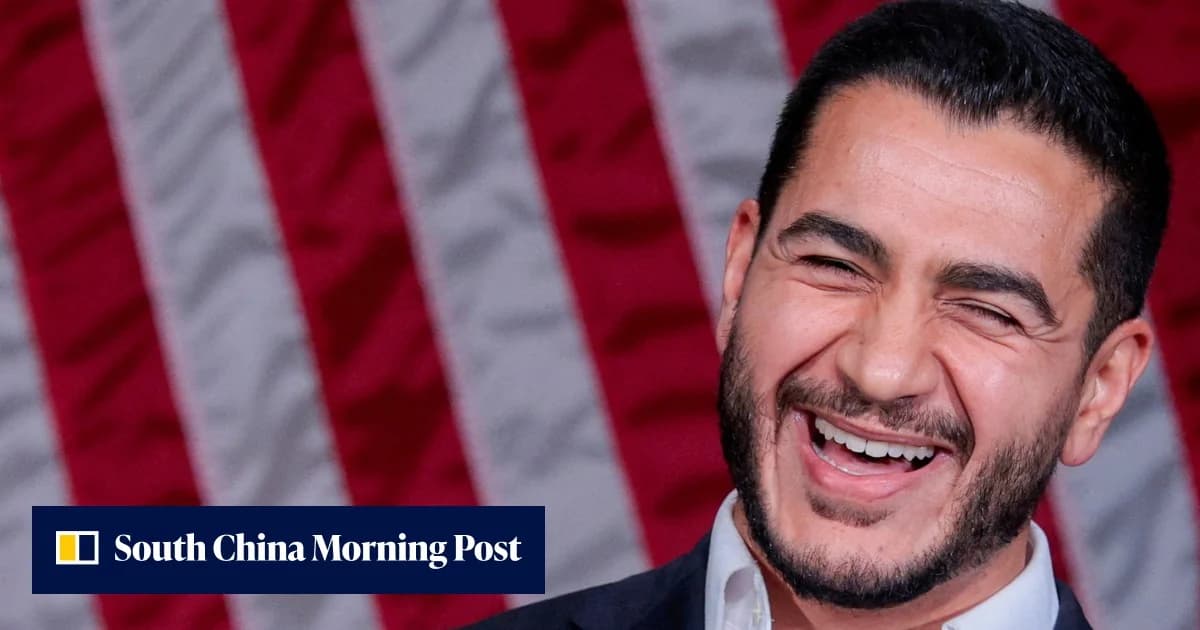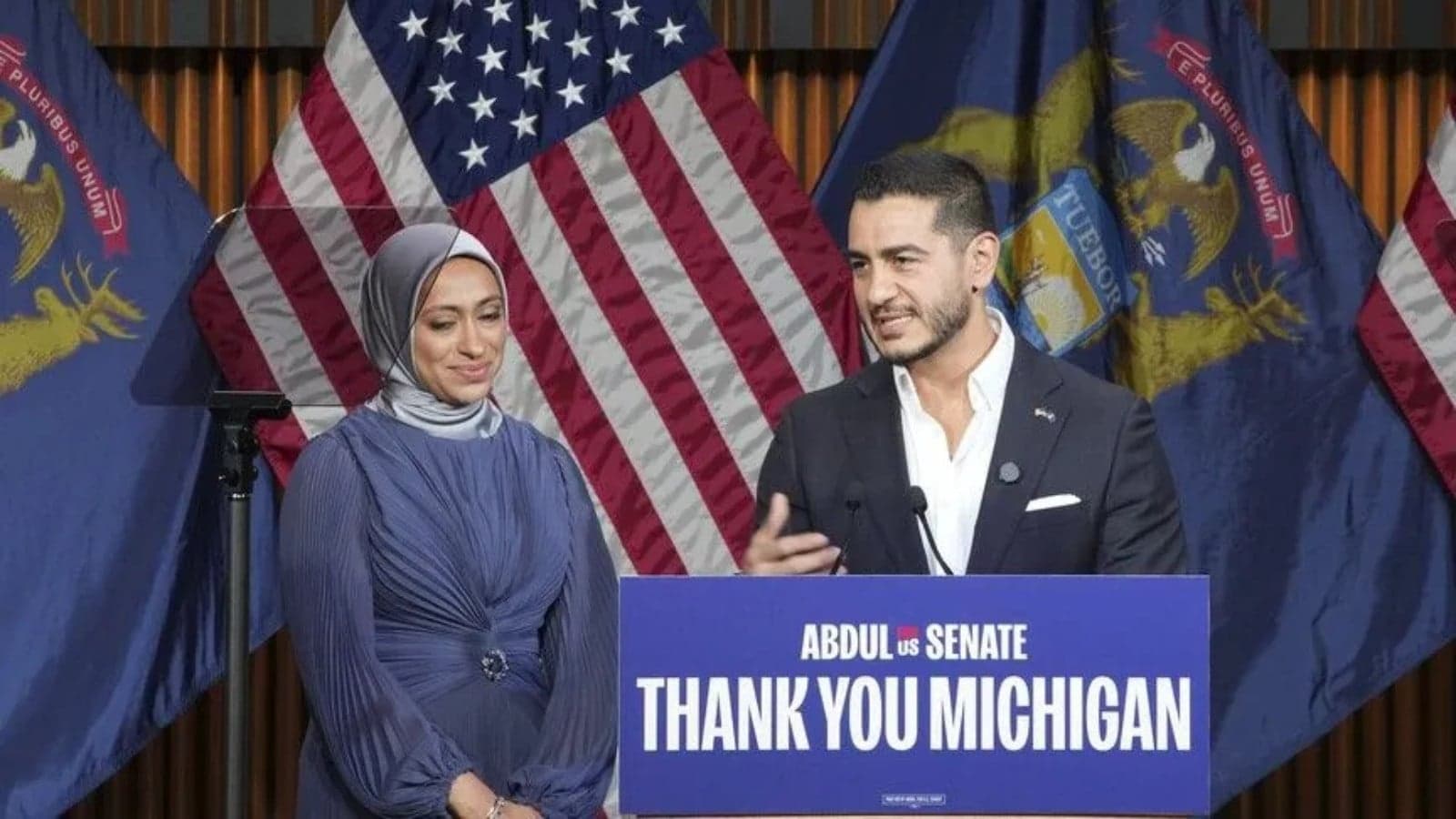
Recent elections in the United States and Israel have opened new possibilities for Arab and Muslim communities that have long been marginalized in national politics. In the US, Abdul El-Sayed’s victory in Michigan contributed to a record number of Muslim candidates being elected to Congress. In Israel, Arab-led parties emerged from the October 27 election with enough seats to potentially determine who forms the next government.
In the US, the November 3 midterm elections saw Democrats win control of both chambers of Congress, with at least seven Muslim candidates securing seats. Among them was El-Sayed, who became the first Muslim elected to the Senate. Jason H. Campbell, a senior fellow at the Middle East Institute, noted that while Muslim Americans remain a relatively small national voting bloc, their political participation has increased considerably. According to the Institute for Social Policy and Understanding, voter registration among eligible Muslim Americans rose from 60% in 2016 to 85% in 2025. Campbell told Anadolu that in areas where Muslim Americans make up higher proportions of the population, such as Michigan, they have more political influence and have seen the benefits of increased participation.
Arab American Institute founder and president James Zogby stated that these gains reflect decades of political organizing rather than a sudden shift from the Gaza war. Zogby said the Arab American community has been growing and maturing politically for the past four decades, making progress in voter registration, turnout, and winning elective office. He also credited strong candidates and campaign organizers for bringing the community's positions to the forefront.
Giorgio Cafiero, CEO of Gulf State Analytics, described the US results as a rejection of Islamophobic campaigning. He stated it is clear that voters in Michigan rejected the hateful and Islamophobic messages of Trump and Zionist extremists in America and chose to vote for Abdul El-Sayed, which he called a major turning point in American politics.
Cafiero linked Democratic victories to the economic consequences of the war against Iran, stating its effects on the global economy hurt American families and businesses. He noted that the success of Democratic candidates in solidly Republican states like Kansas underscores a widespread rejection of the Trump administration’s wildly pro-Israel policies that brought America into a reckless war of choice. Campbell also cited rising energy costs, broader economic pressures, and dissatisfaction with the Trump administration’s immigration enforcement policies. Following the vote, both Trump and Vice President JD Vance blamed the war for contributing to Republican losses.