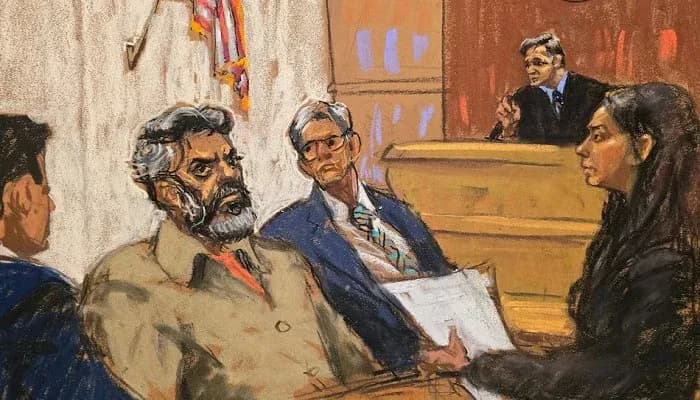
The International Court of Justice (ICJ) could make history this Thursday as judges read out their verdict in a seven-year-old genocide case filed by The Gambia against Myanmar. While dozens of individuals have been prosecuted for genocide since the 1948 Genocide Convention was signed following the Nazi Holocaust, no state has ever been found guilty of committing genocide by an international court.
Arsalan Suleman, the lawyer leading the case against Myanmar at the court, stated, "It would be a judgment of landmark importance if The Gambia were to win this case." Suleman added that such a victory "would give renewed vitality to the 1948 Genocide Convention and to the notion of international legal accountability for crimes committed by a state."
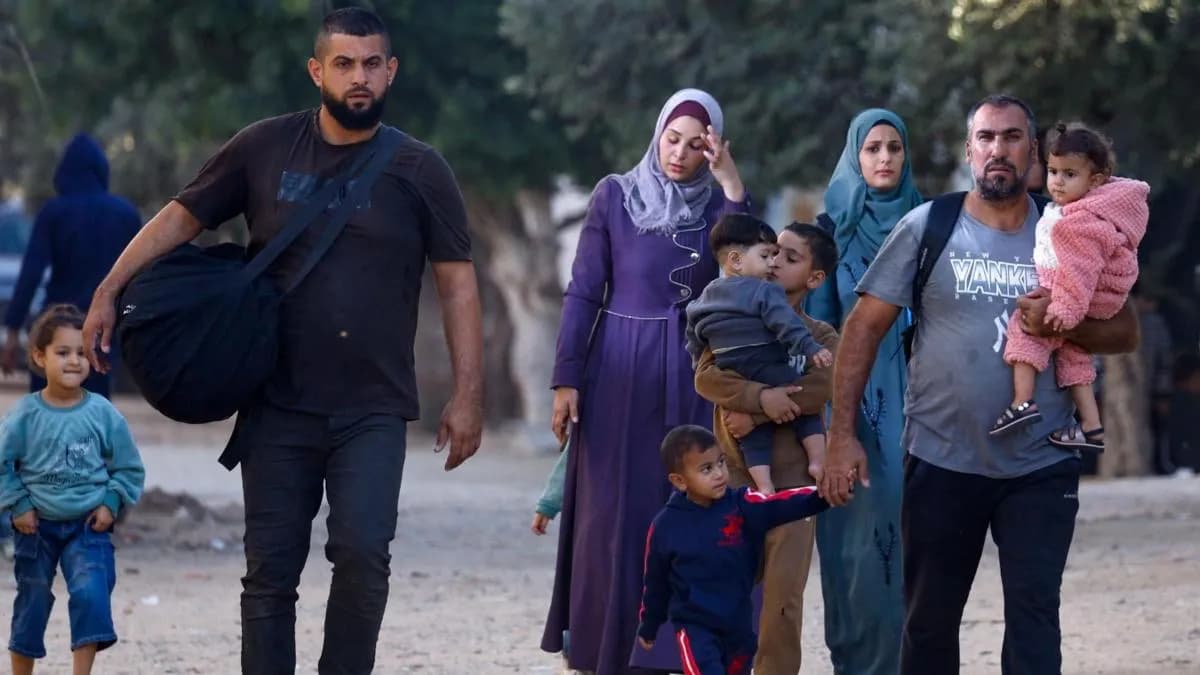
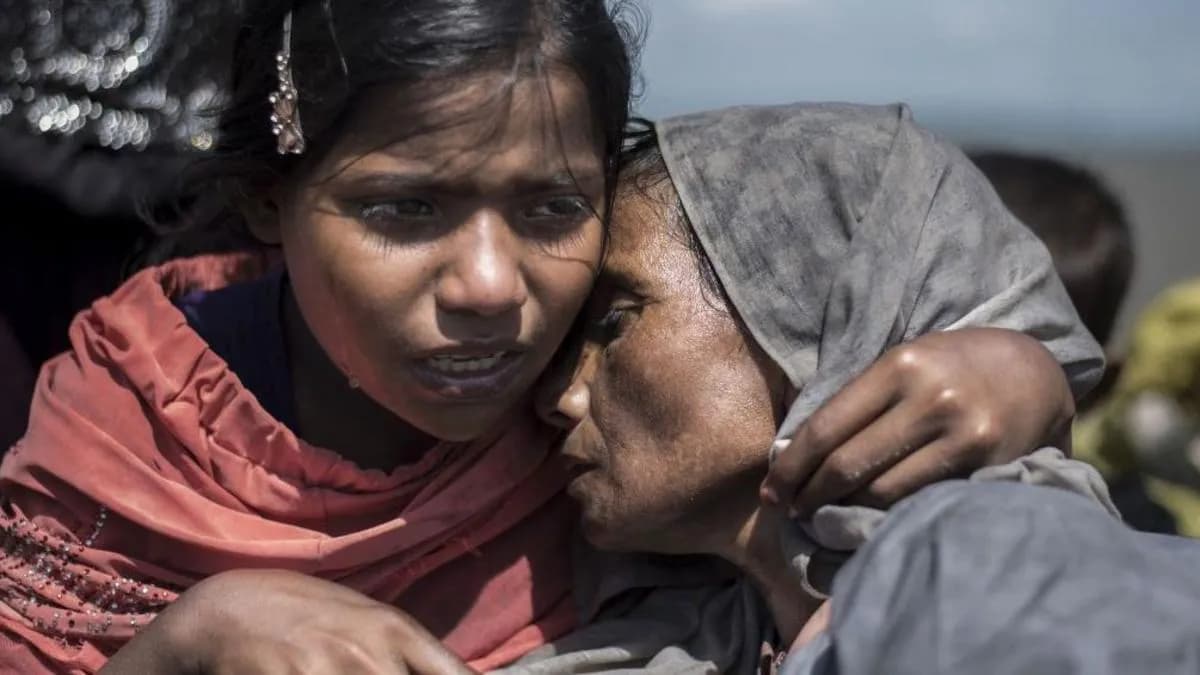
The case centers on the mass expulsion of the Rohingya population from Rakhine State in August and September 2017. The journalist reporting on the case describes the military operation as one of "exceptional brutality," noting they were among a very small number of journalists who witnessed the deliberate burning of Rohingya villages in Rakhine, and also the dreadful human suffering of the hundreds of thousands who fled to neighbouring Bangladesh. Human rights groups and a United Nations fact-finding mission have documented accounts of killing, torture, and mass rape by Burmese soldiers.
Myanmar authorities have denied accusations of ethnic cleansing or genocide. They claim they were only responding to terrorist actions by Rohingya militants with so-called military "clearance operations". A 2018 UN report, based on hundreds of interviews, stated the army's tactics were "grossly disproportionate to actual security threats" and suggested top military figures must be investigated for genocide and crimes against humanity. Myanmar rejected that report.
The Gambia filed the case in November 2019, backed by the Organisation of Islamic Co-operation. This was a novelty in international law, as The Gambia is not directly affected by the acts but argued it had legal standing because all states are bound by the Genocide Convention. Although Myanmar objected, the ICJ ruled that The Gambia was eligible to file.
The legal defense was initially led by Nobel laureate Aung San Suu Kyi, who was widely criticised for her refusal to condemn the military's actions. Since she was deposed by a coup in 2021 and placed under arrest, the defense has been led by a new team appointed by the military.
Proving genocide is historically difficult, as judges require evidence that the only reasonable inference from the defendants' actions is genocidal intent. Myanmar's lawyers and Aung San Suu Kyi have argued that while war crimes may have occurred, they do not prove genocidal intent. However, Suleman believes the evidence is sufficient.
"What we presented to the court was the long history of discrimination targeting the Rohingya, and how that history, and the policies connected with it, provide a background to understand the government's language, rhetoric, propaganda, and policies that were part of the 2017 'clearance operations'," Suleman said. He further noted, "We discussed the 1982 citizenship law, and the tightening noose of discriminatory laws that restricted access to education, healthcare, livelihoods, and travel - all of which made life really impossible for the Rohingya and, we argued, was one of several indicators of genocidal intent."
If the court finds in favour of The Gambia, Myanmar would be joined with Nazi Germany, the Rwandan Hutu militants, and the Bosnian Serbs at Srebrenica as having committed "the crime of crimes". While there is no right of appeal and no specific penalty follows an ICJ verdict, the ruling would matter significantly for the Rohingya diaspora.
Mohammed Nowkim, a Rohingya who fled Buthidaung in 2017 and now lives in Canada, said, "This is like formal recognition of our suffering." He noted that for the Rohingya, the trial is a "moment of acknowledgement of our suffering after years of denial."
Despite the potential verdict, the path for Rohingya return remains difficult. Rakhine State is currently ravaged by conflict between the military and the insurgent Arakan Army, which controls most of the territory. The indigenous Rakhine population remains hostile to the return of the Rohingya, and international support for the refugees in Bangladesh is fading.